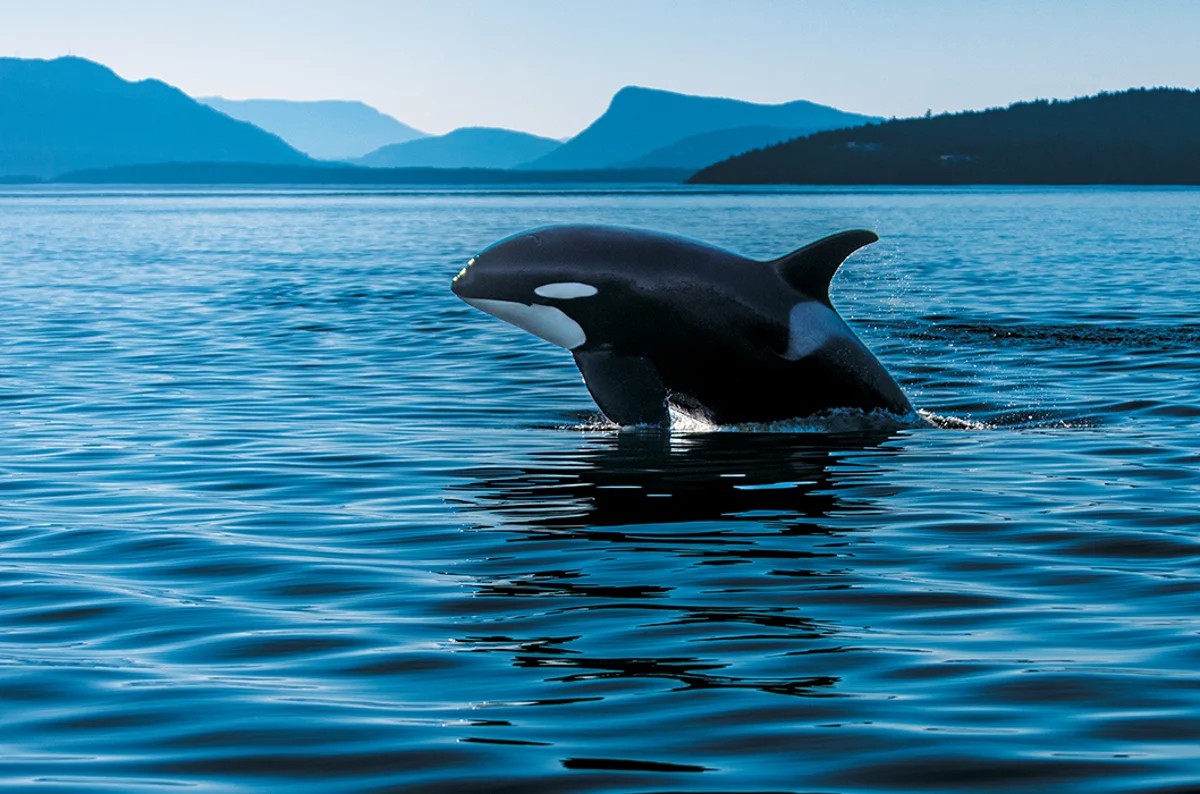
The southern resident orcas, an ancient population off the Pacific Northwest coast, are facing extinction. Their story isn’t just about declining numbers; it’s about the unraveling of a unique culture, a complex society pushed to the edge by human impact. Scientists and conservationists are racing against time, but the very research meant to save them is now under threat.
A Population on the Edge
For millennia, these orcas have thrived in the Salish Sea, distinct from other populations worldwide. They possess their own language, customs, and a tightly knit social structure centered around matrilineal pods—family groups led by long-lived females. This culture is now threatened by a trifecta of crises: pollution, habitat disturbance, and dwindling food supplies.
The situation is dire. Once numbering around 98 in the mid-1990s, the population has plummeted to just 74 individuals today. The decline isn’t random; it’s a direct consequence of human encroachment. Industrial runoff, toxic chemicals, and relentless noise pollution from shipping and other vessels disrupt their hunting and communication, pushing them toward collapse.
The Science Under Threat
Researchers like Deborah Giles of the SeaDoc Society have dedicated their lives to understanding these whales. Through long-term monitoring, they’ve built a detailed picture of the orcas’ health, behavior, and dietary needs. This work is crucial for guiding conservation efforts, but even this is now at risk. Political shifts and funding cuts threaten to stall or dismantle vital research programs just when they’re needed most.
The irony is stark: the science itself is endangered alongside the whales it seeks to protect. As Giles puts it, “The science is endangered now, just like the whales.” The situation highlights a broader problem: conservation efforts are often undermined by shortsighted policies and a lack of sustained investment.
A Culture Under Pressure
Orcas, like humans, are intelligent and social creatures with complex cultural traditions. The southern residents’ diet is heavily reliant on Chinook salmon, but populations have collapsed due to overfishing, habitat destruction, and damming of rivers. The whales have adapted to their environment over generations, but the pace of change is now too fast for them to keep up.
The parallels between human and orca societies are striking. Both rely on knowledge transfer, familial bonds, and adaptation to survive. Like the southern residents, human cultures face threats from pollution, habitat loss, and social disruption. The difference is that humans have the power to change course, but that requires acknowledging the severity of the crisis and acting decisively.
The Future of the Southern Residents
The fate of the southern resident orcas hangs in the balance. The combination of pollution, vessel noise, and food scarcity has created a perfect storm. Despite decades of research, the underlying problems persist. The whales are not just declining in number; they’re losing their ability to thrive in the face of relentless pressure.
The survival of this unique population depends on a concerted effort to address these challenges. Reducing pollution, mitigating vessel noise, and restoring salmon populations are essential steps, but they require political will and long-term commitment. Without immediate action, the southern resident orcas may become another tragic example of a species lost to human impact.