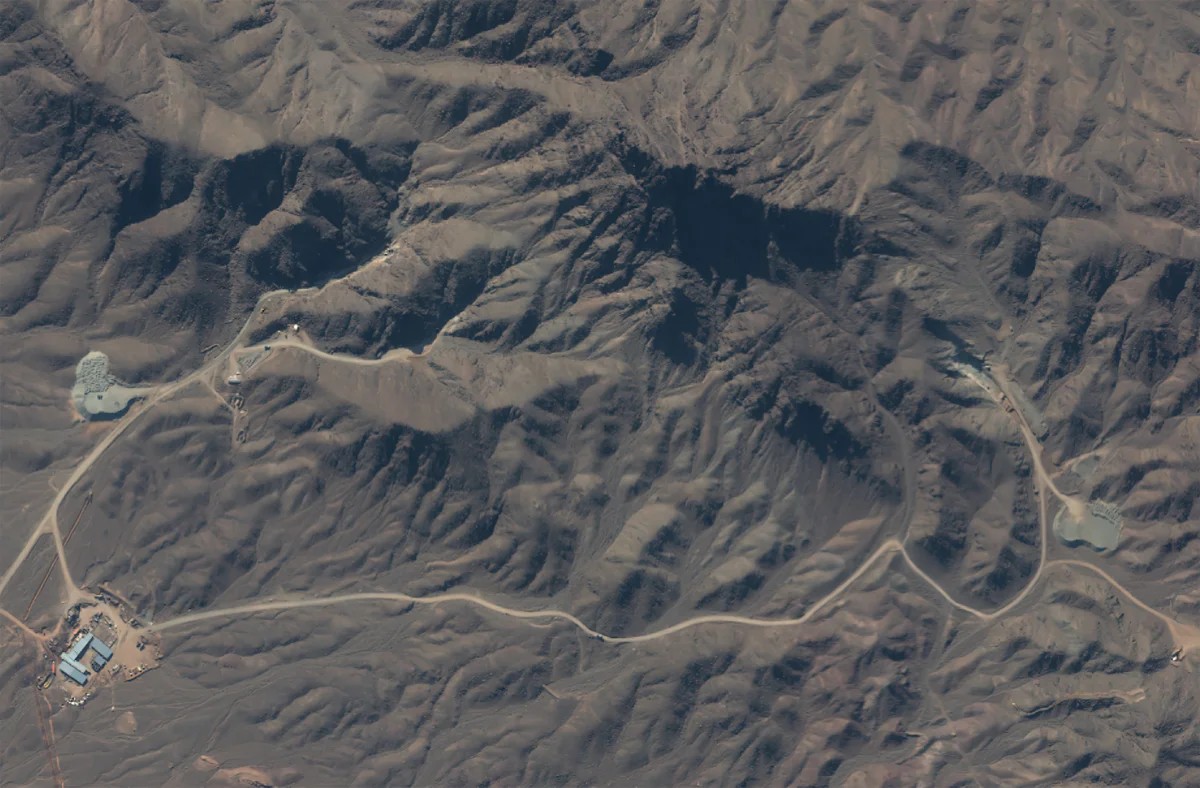
Recent military actions by the United States and Israel against Iran have heightened concerns about the security and whereabouts of the country’s nuclear material. While the strikes targeted Iranian uranium enrichment facilities, the ultimate disposition of its enriched uranium remains unclear, according to nuclear nonproliferation experts. This conflict escalates existing tensions over Iran’s nuclear program and introduces new uncertainties at a time when diplomatic efforts were reportedly underway to curb its nuclear activities.
The Ambiguity of Iran’s Uranium Stockpile
Before the latest strikes, the International Atomic Energy Agency (IAEA) estimated that Iran held approximately 441 kilograms of uranium enriched to 60 percent – sufficient material for up to ten nuclear weapons if further processed. However, the exact amount remaining after recent airstrikes is unknown. Negotiations between the U.S. and Iran prior to the attacks reportedly included discussion of the stockpile’s status, implying it was still under Iranian control at that time.
The strikes themselves have reportedly hindered Iran’s ability to rapidly rebuild its enrichment program. Some experts suggest Iran’s leadership may be hesitant to accelerate reconstruction, fearing further conflict. However, this could also create a dangerous vacuum where an extremist faction might seize control and revive the program aggressively.
Monitoring and Verification Challenges
The absence of effective monitoring raises serious questions about the security of Iran’s nuclear material. Without independent verification, it will be difficult to confirm the integrity of the stockpile or prevent further enrichment. As Daryl Kimball of the Arms Control Association points out, “Without effective monitoring, the whereabouts and security of Iran’s nuclear material will now become even more uncertain.”
Despite reports of recovery efforts at the Isfahan enrichment facility – suggested by satellite imagery in January – IAEA Director General Rafael Mariano Grossi claims there’s currently no indication of nuclear installations being hit, with no abnormal radiation levels detected in neighboring countries. However, such assessments depend entirely on access and transparency, which remain limited.
Implications for Nonproliferation
The U.S.-led intervention is “not justifiable on nonproliferation grounds” given that progress toward a diplomatic solution was reportedly underway before the conflict. Any attempt to recover or further process the uranium without international inspection would necessitate even more aggressive intervention. This situation underscores the critical need for a diplomatic agreement and inspector access to prevent escalation.
The current instability means that Iran’s nuclear program, while temporarily set back, remains a volatile factor in regional security. The fate of the enriched uranium will likely dictate whether further conflict is inevitable, or whether a negotiated solution can still be reached.