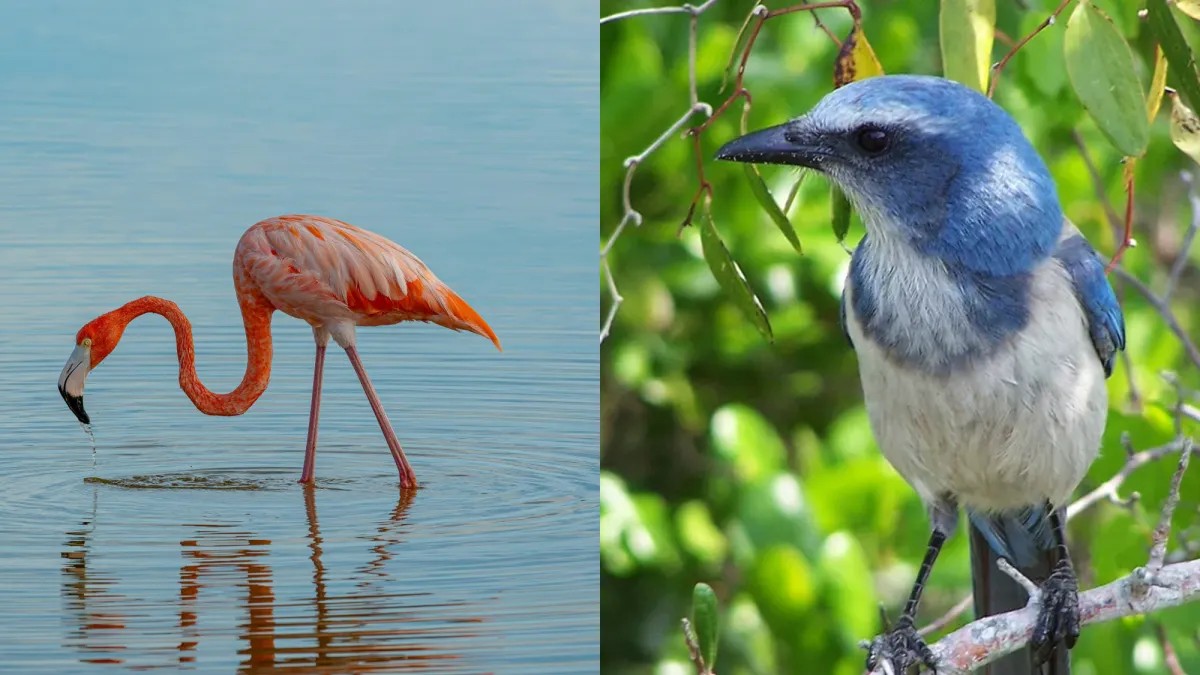
Florida has a new state bird: the vibrant American flamingo (Phoenicopterus ruber ). The Florida House and Senate recently passed legislation elevating the iconic pink bird to official status, replacing the Northern mockingbird, which still holds the title in several other states.
Why the Change?
This decision is part of a larger trend in Florida, where lawmakers have designated official symbols for a surprisingly wide range of things—from saltwater and freshwater fish (sailfish and Florida bass, respectively) to official state beverages (orange juice) and even soil (Myakka fine sand). The flamingo’s selection seems to align with this pattern of emphasizing color and distinctiveness.
The Flamingo’s Place in Florida
The American flamingo is one of the largest flamingo species, easily recognized by its striking pink plumage. This color comes from pigments in its diet, primarily crustaceans and algae. While the birds are native to South America and the Caribbean, Florida is the only place in the United States where they naturally occur.
Conservation Concerns
The bill also recognizes the Florida scrub-jay (Aphelocoma coerulescens ) as the state songbird, a species endemic to Florida and classified as vulnerable by the International Union for Conservation of Nature (IUCN). According to Florida Representative Jim Mooney, the legislation serves to raise awareness for conservation efforts:
“This bill encourages public engagement in conservation initiatives and fosters a sense of pride in our state heritage.”
While American flamingos are currently stable, the scrub-jay’s vulnerable status highlights the broader need for habitat protection and species preservation in the state.
Florida’s Unique Approach to State Symbols
Florida’s extensive list of official symbols reflects a unique approach to state branding. The choice of a flamingo and a blue scrub-jay suggests a deliberate focus on visual identity and natural heritage. By designating these species, Florida aims to promote public awareness and engagement in conservation, ensuring these birds remain a part of the state’s ecosystem for generations to come.