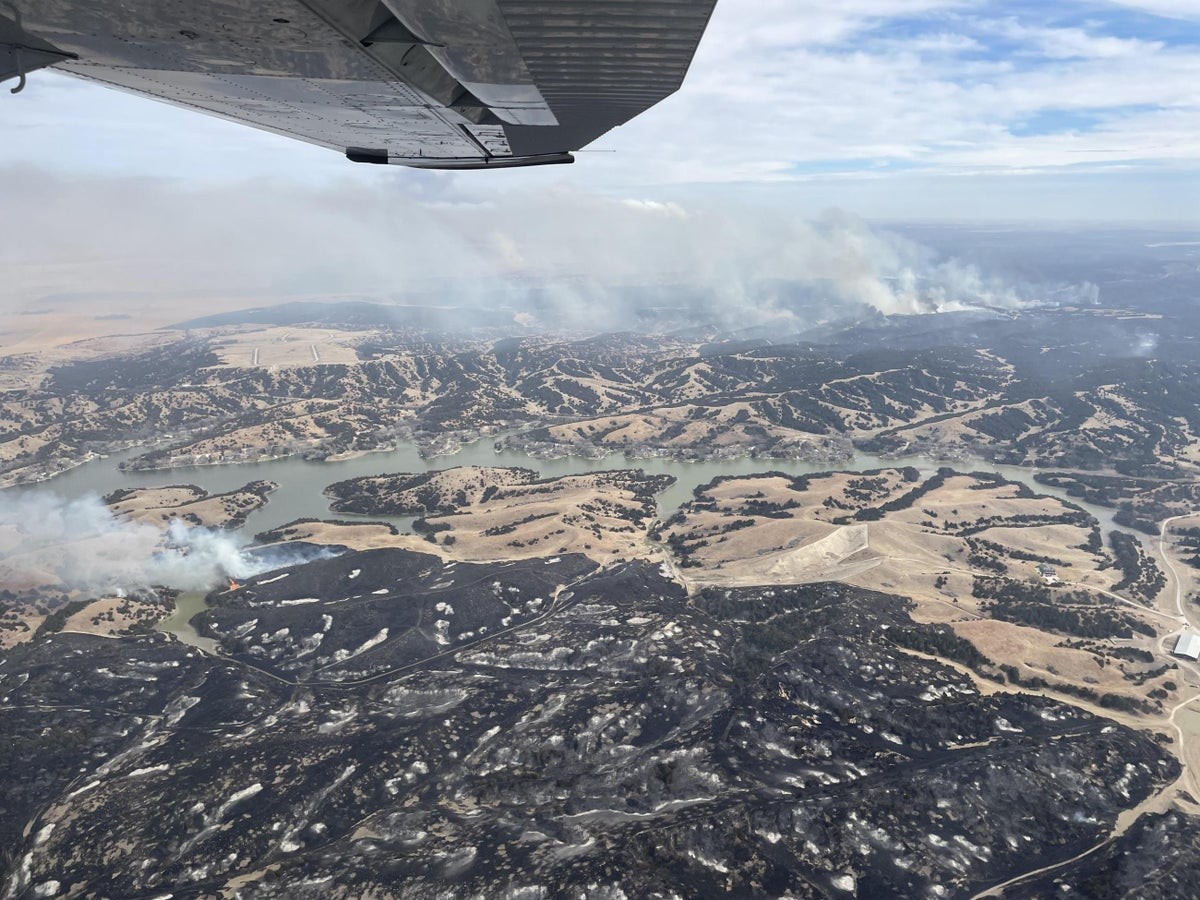
Nebraska is currently facing its largest wildfires on record, with over 800,000 acres burned and at least one confirmed fatality. The situation remains critical, as conditions favorable to further spread are expected to persist for at least the next week. This crisis underscores the growing frequency and severity of wildfires across the American West.
Worsening Conditions Fuel the Flames
The primary driver behind these blazes is a dangerous combination of extreme heat, prolonged drought, and high winds. Temperatures in the 80s Fahrenheit, coupled with low humidity, create ideal conditions for fire ignition and rapid spread. The lack of significant snowfall in the region has exacerbated drought conditions, leaving vegetation tinder-dry. These factors have already kept fires burning for days.
The Morrill Fire: A Major Threat
The largest of the fires, the Morrill Fire, is only 20% contained as of this writing. Originating on March 12th, the blaze has consumed an estimated 550,000 to 643,000 acres, fueled by strong winds. The exact cause of the Morrill Fire remains under investigation.
Shifting Wildfire Seasons
The timing of these wildfires, while not entirely unprecedented, reflects a troubling trend: wildfire season in the U.S. is expanding beyond its traditional peak in June. Increasingly, dry conditions, high winds, and low humidity create year-round risks.
The National Interagency Fire Center notes that the worsening drought conditions, driven by reduced snowfall, play a critical role in this shift. The unseasonal heat wave sweeping across western states like California and Arizona, with the potential to spread into the Great Plains, further intensifies the threat. Record-high temperatures for this time of year are predicted in some areas, suggesting that concerns about an active wildfire season will remain high as the wet season ends.
These historic wildfires in Nebraska serve as a stark reminder of the escalating wildfire risks facing the American West, driven by climate change and increasingly extreme weather conditions. The situation demands continued vigilance, preparedness, and proactive strategies to mitigate future disasters.