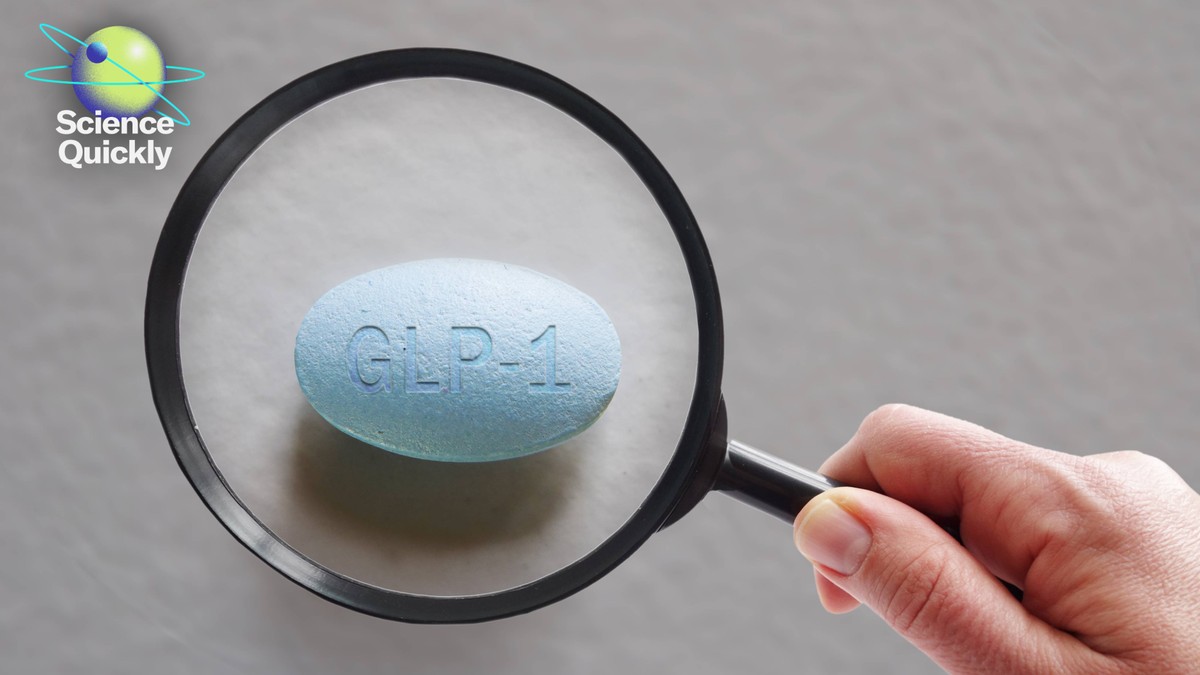
The popularity of GLP-1 drugs—like Ozempic, Wegovy, Zepbound, and Mounjaro—has exploded in recent years, initially for diabetes and weight loss, but now attracting attention for a wider range of potential benefits. This growth is accompanied by market instability, regulatory concerns, and emerging research into unexpected effects.
The Rise of GLP-1s: From Diabetes to Addiction Treatment
Originally designed as treatments for type 2 diabetes, GLP-1s mimic a natural hormone that stimulates insulin production and suppresses appetite. Researchers noticed that patients experienced significant weight loss as a side effect, leading to FDA approval for obesity treatment. Today, these drugs are sought after for everything from weight management to potentially treating substance use disorders. The core mechanism is simple: they prolong the action of the GLP-1 hormone in the body, keeping patients fuller for longer and reducing cravings.
Compounded Risks and Market Chaos
The surge in demand has created a chaotic market, including a rise in “compounded” versions of these drugs. Compounding pharmacies create custom medications, filling gaps where FDA-approved options are unavailable or inaccessible. While these can be helpful in certain cases (e.g., customized dosages), they are not FDA-approved, meaning safety and effectiveness haven’t been rigorously tested.
Novo Nordisk, the maker of Ozempic and Wegovy, even sued Hims & Hers for allegedly mismarketing compounded versions as first-line treatments, although the lawsuit was later dropped. The issue is further complicated by shortages, where compounding pharmacies stepped in to fill the void, even after supply stabilized. Some are adding untested “additives” claiming to mitigate side effects or enhance muscle retention—a dangerous practice given the lack of regulation.
Unexpected Benefits: Beyond Metabolism
Research suggests GLP-1s may have applications beyond metabolic effects. Studies indicate potential benefits in treating alcohol use disorder, with data from the Veterans Affairs health system showing reduced substance use and even lower drug-related mortality rates. Some researchers are now exploring their use in opioid addiction treatment, recognizing that reward pathways in the brain overlap between food and other addictive substances.
Beyond addiction, early research points to possible cardiovascular benefits and potential use in reproductive health. The drugs may also reduce inflammation, opening doors for treatment of various diseases.
The Downside: Long-Term Risks and Rebound Effects
Despite the promise, GLP-1s are not without risks. Long-term effects remain largely unknown, and recent studies have linked their use to increased risk of skeletal disorders like osteoporosis and potential muscle loss. Stopping the medication after extended use can lead to rapid weight regain, often as fat rather than muscle, reversing the initial health improvements.
The drugs also have side effects like nausea and gastrointestinal issues, and some patients stop using them within two years, raising questions about sustainability.
In conclusion: GLP-1 drugs represent a significant evolution in medical treatment, offering benefits beyond weight loss. However, the rapidly changing landscape—from market instability to regulatory gaps—demands caution. Further research is critical to understand long-term effects and ensure responsible use of these powerful medications.