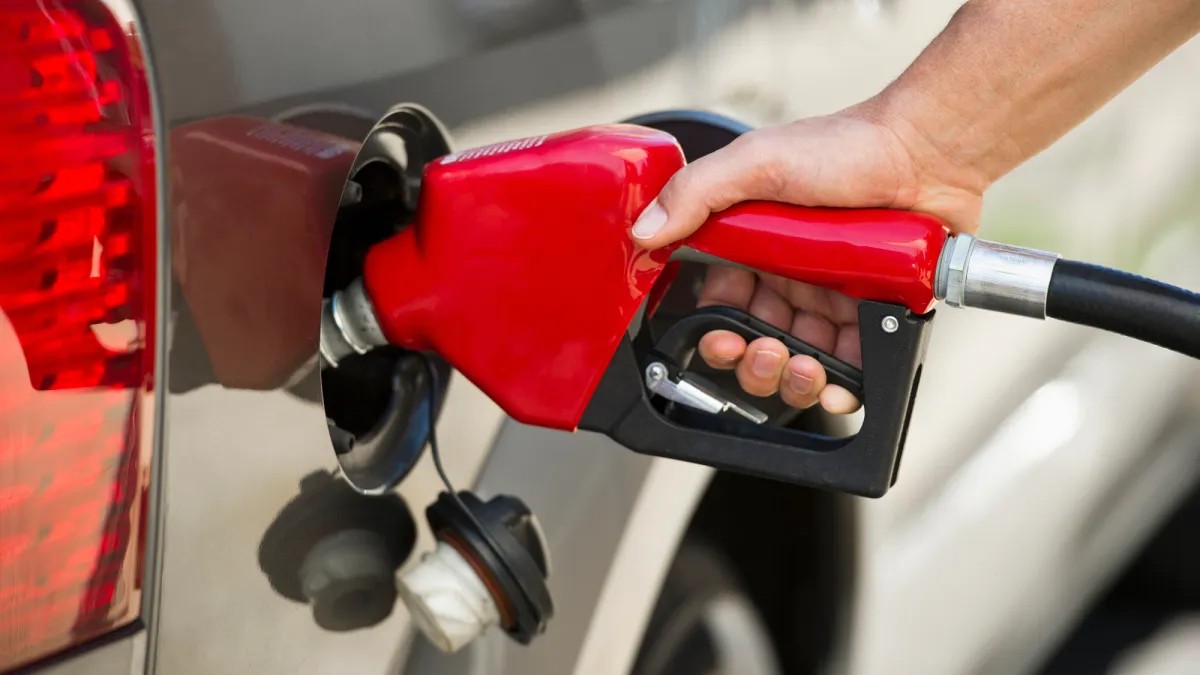
While most of the United States transitioned to self-service fueling decades ago to save on costs, New Jersey remains a notable outlier. Along with Oregon—which recently softened its restrictions in 2023—New Jersey maintains a strict legal requirement that only trained attendants may pump gasoline for customers.
This policy is not merely a matter of tradition; it is rooted in a combination of historical safety legislation, public health concerns, and risk management.
The History of the Ban
The shift toward self-service began in earnest during the 1970s. Following the 1973 energy crisis, gas stations faced rising operational costs and sought ways to remain competitive by reducing staff and lowering overhead. By allowing customers to pump their own fuel, stations could pass these savings on to consumers.
However, New Jersey opted for a different path. The state’s Retail Gasoline Dispensing Safety Act of 1949 established a framework where trained professionals handle the fuel. According to Thomas Wright of the New Jersey Department of Labor and Workforce Development, this ensures that staff are trained to recognize unsafe conditions, operate emergency shut-offs, and ensure only approved containers are used for fuel transfer.
The Science of Safety: Health and Fire Risks
The prohibition on self-service is supported by two primary concerns: chemical exposure and physical fire hazards.
1. Chemical Exposure and Neurotoxicity
When gasoline is dispensed, it releases volatile organic compounds (VOCs) into the air. These include:
– Benzene: A colorless, sweet-smelling, and highly flammable chemical.
– Toluene, Ethylbenzene, and Xylene: Compounds used to improve fuel stability and engine performance.
Exposure to these substances in large doses can be hazardous. They are considered neurotoxic, meaning significant inhalation can lead to headaches, fatigue, or more severe medical complications. While modern technology—such as the rubber seals used on nozzles in states like California—helps mitigate these vapors, New Jersey’s law provides an extra layer of protection for vulnerable populations, such as pregnant women and senior citizens, by keeping them away from the immediate vicinity of the pump.
2. Mitigating Fire Hazards
Gas stations are inherently high-risk environments. The presence of untrained customers introduces several variables that can lead to accidents:
– Ignition Sources: It is much easier for a station to enforce rules against smoking, vaping, or leaving engines running when a professional attendant is managing the process.
– Static Electricity: A sudden discharge of static electricity—sometimes exceeding 1,500 volts—can spark a fire.
While statistics show that most gas station fires are caused by mechanical or electrical malfunctions rather than human error during fueling, the presence of a trained attendant significantly reduces the “human element” of risk.
The Economic and Social Impact
Beyond safety, the law has significant implications for the local economy. As of 2025, New Jersey’s mandate supports approximately 10,000 workers in the auto and watercraft service attendant category across more than 1,900 stations.
The state views this not just as a safety measure, but as a driver for job creation and accountability. By maintaining a full-service model, the state prioritizes a controlled environment over the cost-saving convenience of self-service.
“The law we’re tasked with enforcing prioritizes safety, accountability, and job creation.” — Thomas Wright, NJ Dept. of Labor
Summary
New Jersey’s ban on self-service gasoline is a legacy of mid-century safety laws designed to protect citizens from toxic chemical exposure and accidental ignition. While the rest of the country prioritizes speed and lower costs, New Jersey maintains a model that trades convenience for professional oversight and employment opportunities.