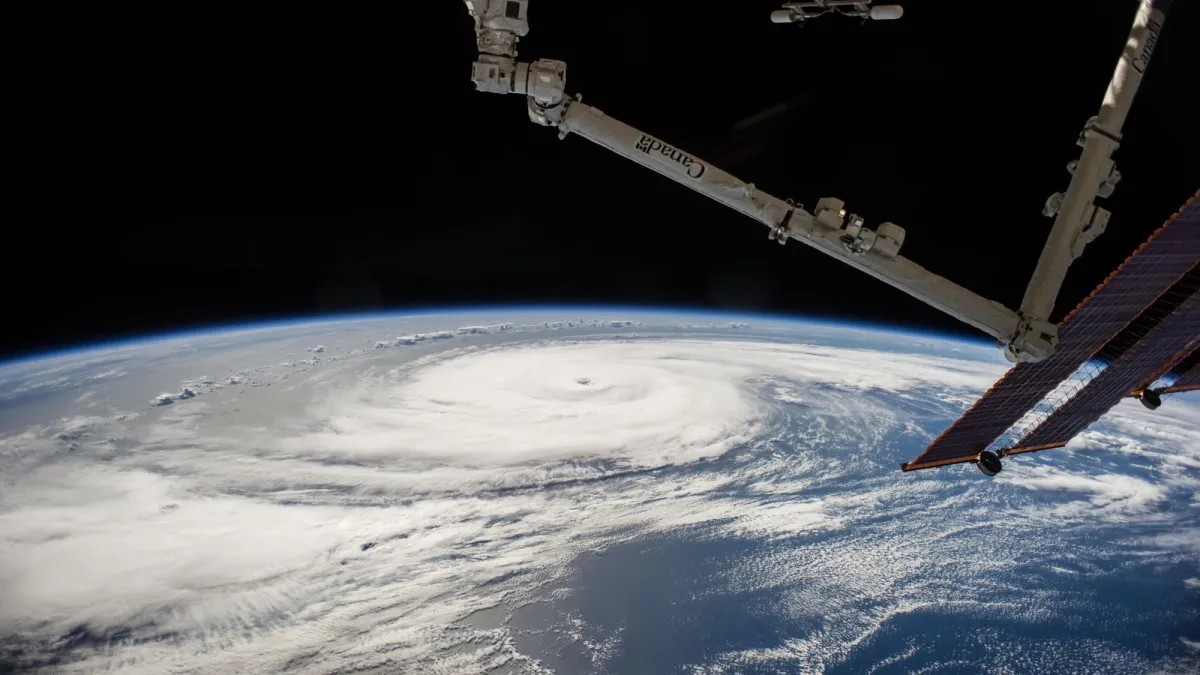
Meteorologists are projecting a potential reprieve for the Atlantic basin in 2026. According to the latest annual forecast from Colorado State University’s (CSU) Tropical Meteorology Project, the upcoming hurricane season is expected to see below-average activity, providing a much-needed break from the devastating storms that have characterized recent years.
The Role of El Niño and Wind Shear
The primary driver behind this predicted lull is a shift in the El Niño-Southern Oscillation (ENSO) cycle. Currently, the climate is transitioning from a weak La Niña pattern into a more robust El Niño phase.
This transition is critical because of how it affects atmospheric physics:
– El Niño typically brings warmer surface waters and weaker trade winds to the Pacific.
– More importantly for the Atlantic, a strong El Niño increases vertical wind shear.
Wind shear refers to the change in wind speed and direction at different altitudes in the atmosphere. When shear is high, it essentially acts as a mechanical disruptor, “ripping apart” developing tropical cyclones before they can organize into powerful hurricanes.
Forecasted Numbers at a Glance
While the season is expected to be quieter than historical norms, meteorologists still anticipate a steady stream of activity. The CSU report breaks down the projections as follows:
- Named Storms: 13
- Hurricanes (Category 1 or 2): 6
- Major Hurricanes (Category 3 or higher): 2
Landfall Probabilities
The likelihood of a major hurricane making landfall is notably lower than the long-term historical averages (calculated from 1880–2020):
| Region | 2026 Forecasted Probability | Historical Average |
|---|---|---|
| U.S. East Coast | 32% | 43% |
| Caribbean | 35% | 47% |
A Necessary Caution: Forecasts Are Not Guarantees
Despite the encouraging data, experts urge residents in at-risk coastal areas not to let their guard down. A “quiet” season is a statistical average, not a promise of safety.
“Coastal residents are reminded that it only takes one hurricane making landfall to make it an active season for them,” the CSU researchers cautioned.
The unpredictability of weather means that even in a low-activity year, a single well-placed storm can cause catastrophic damage. Preparedness remains a constant requirement rather than a seasonal luxury.
Essential Preparedness Checklist
As the hurricane season officially runs from June 1 to November 30, emergency management officials recommend maintaining a baseline level of readiness:
- Supplies: Maintain adequate stocks of water and non-perishable food.
- Equipment: Keep flashlights, weather radios, and power banks fully charged.
- Documentation: Store important personal and legal documents in a secure, waterproof location.
- Information: Stay tuned to updates from the National Oceanic and Atmospheric Administration (NOAA) and follow all local evacuation orders immediately.
Conclusion
While the shift toward El Niño suggests a significantly calmer 2026 Atlantic hurricane season, the statistical reduction in risk does not eliminate the danger. Vigilance and proactive emergency planning remain essential for all coastal communities.