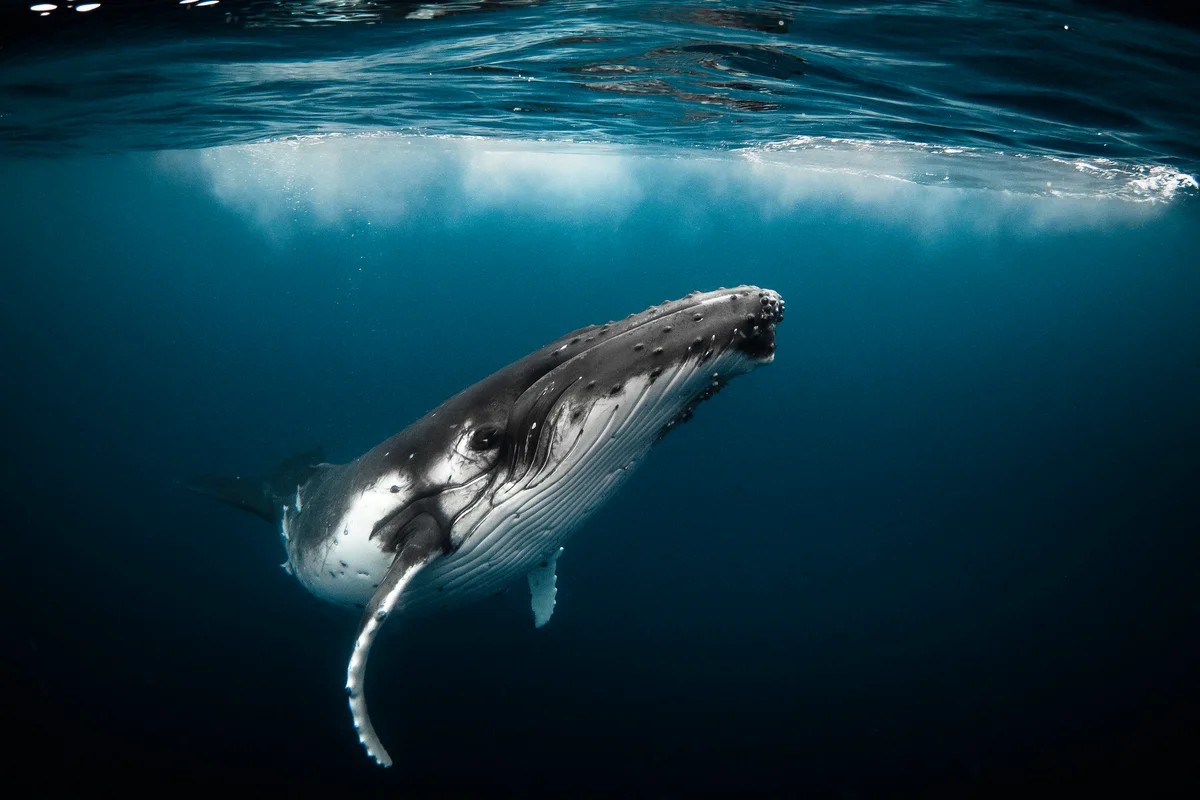
Humpback whales are renowned for their dramatic feeding displays, where they open massive jaws to engulf vast quantities of water filled with krill or small fish. This lunge-feeding technique relies on baleen plates acting as a filter, allowing the whale to expel water while retaining prey. However, recent observations have revealed a puzzling deviation from this well-understood pattern: some humpbacks are seen holding their mouths wide open even when no food is present.
This behavior, termed “gaping,” has left marine biologists intrigued. Unlike feeding, where the mouth opens briefly and purposefully, gaping involves sustained periods with the jaw agape, raising questions about its biological function.
Decoding the Mystery Through Citizen Science
To investigate this phenomenon, researchers led by Vanessa Pirotta, a lecturer at Macquarie University in Australia, turned to an unlikely data source: social media. The team analyzed 66 videos and photographs captured between 2014 and 2025 by tourists, drone operators, and citizen scientists. These images, taken from boats, underwater, and aerial perspectives, provided a unique window into rare whale behaviors that traditional scientific surveys might miss.
The study, published in the journal Animal Behavior and Cognition, defines gaping as “a whale opening its mouth outside of a feeding event, with variations in both the extent of the gape and its duration.” By leveraging high-quality consumer technology and the keen eyes of whale watchers, the researchers were able to compile a dataset that highlights the value of public engagement in marine biology.
Potential Explanations for Gaping
While the exact cause of gaping remains unknown, the research team has proposed several hypotheses to explain why humpbacks might engage in this behavior:
- Social Interaction or Play: Whales are highly social creatures, and gaping could be a form of communication or playful behavior among pods.
- Baleen Maintenance: The whales might be clearing debris or parasites from their baleen plates, ensuring efficient feeding for future meals.
- Physical Stretching: Similar to how humans stretch their jaws after a long meal, whales might be relieving muscle tension in their jaw joints.
- Medical Issues: In some cases, gaping could indicate a reaction to jaw dislocation or other physical discomfort.
“Just when we think we know a lot about humpback whales, we don’t,” said Pirotta, highlighting the enduring mysteries of these marine giants.
The Role of Citizen Scientists in Marine Research
Beyond the biological implications, this study underscores a broader trend in scientific research: the increasing reliance on citizen science. Tourism operators and amateur observers spend countless hours watching whales, capturing high-resolution footage that contributes to global datasets. This collaborative approach not only enhances our understanding of rare behaviors but also democratizes scientific discovery, allowing the public to play an active role in conservation and research.
Conclusion
The discovery of humpback whale gaping behavior illustrates both the limits of current knowledge and the potential of community-driven science. As researchers continue to unravel the mysteries of these majestic creatures, public engagement remains a vital tool for advancing marine biology.