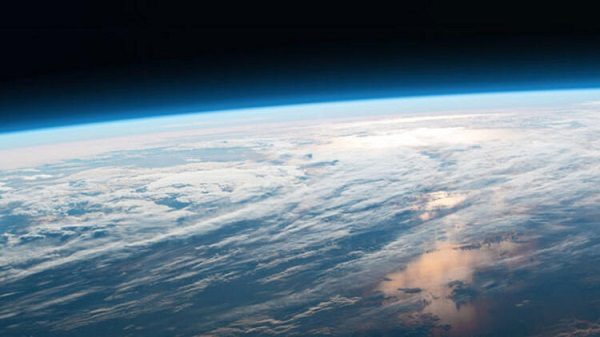
The atmosphere. We take it for granted. It is that thin, invisible shell of gases and vapor surrounding our planet that keeps us alive. Scientists call it a “gas sphere,” but really, it is just the air we breathe. It has existed since the universe began, maintaining a fragile equilibrium. Temperature. Humidity. The movement of air. The mix of gases. All of it balances on a knife-edge.
But humans? We are terrible at keeping things balanced.
We are the most likely species to wreck the places we live in. And the atmosphere is suffering because of it. This disruption isn’t just an abstract environmental concept. It hits back hard at human life. If you are a student writing a paper on environmental impact, or a parent worried about the air quality in your city, this is where the story starts. The damage we cause here creates serious, negative consequences for us. Period.
The Fragile Equilibrium of Our Air
To understand the problem, you have to look at the system. The atmosphere is not static. It is dynamic. It changes constantly. But historically, these changes happened slowly. Natural cycles kept the gas ratios stable. The temperature didn’t spike overnight. The humidity didn’t collapse.
Then came us.
Human activity has thrown a wrench into that machinery. We burn fossil fuels. We cut down forests. We manufacture chemicals. These actions release massive amounts of heat-trapping gases into the sky. The result? The balance breaks.
“Human, being the creature most prone to destroying their habitat, causes major destruction in this area, leading to serious adverse effects on human life.”
This isn’t a prediction. It is happening now. The air we breathe is different than it was fifty years ago. The heat is higher. The storms are stronger. The equilibrium is gone.
Why This Matters for Students and Parents
You might think atmospheric science is too complex or distant. It isn’t. It affects your homework, your health, and your wallet.
For students, understanding this disruption is key to answering questions like:
* How does human activity change atmospheric composition?
* Which gases are responsible for the imbalance?
* Where is the impact felt most severely?
The answer is everywhere. But it starts with the air above our heads. When the atmosphere destabilizes, weather patterns shift. Rain falls in unexpected places. Heatwaves become routine. These aren’t just “environmental issues.” They are human issues.
The Immediate Consequences
The destruction of atmospheric balance doesn’t stay in the sky. It comes down. Literally.
- Health Impacts : Poor air quality leads to respiratory issues. Asthma rates are climbing. This is a direct result of the gases we pump into the air.
- Economic Costs : Extreme weather damages infrastructure. Insurance rates go up. Food prices fluctuate due to unpredictable growing seasons.
- Lifestyle Changes : We are adapting to a world that is getting harder to live in. Masks. Filters. Heat shelters.
The link between what we do to the atmosphere and how we live is direct. There is no separation.
Breaking Down the Mechanism
It’s not magic. It’s physics and chemistry.
The atmosphere relies on specific ratios
Kömür. Petrol. Doğal gaz.
Günlük hayatımızda sürekli kullandığımız bu maddeler aslında atmosferin dengesini bozan başlıca oyuncular. Sanayi devrimiyle birlikte kullanım oranları patlama yapan fosil yakıtlar, sadece yakıt değil, iklim krizinin yakıtı. Son yüzyılda fabrikalarda, otomobillerde ve evlerimizin kaloriferlerinde harcadığımız her ton kömür veya her litre benzin, atmosfere ısı tutucu gazlar yolluyor.
Karbondioksit, karbonmonoksit ve metan. Bunlar sadece kelime dizileri değil. Atmosferdeki ısıyı hapseden, gezegenin yeterince serinlemesini engelleyen gerçek sorunlar. Sonuç? Sera etkisi.
Sera Gazları Nasıl İklimi Hızlandırıyor?
Doğada iklim değişiklikleri binlerce yıl sürer. Yavaş. Dikkatli. Şimdi ise her şey hızlanıyor. İnsan faaliyetleri, doğal döngülerin zamanını kısaltıyor. İlkbahar ve sonbahar gibi ara mevsimler neredeyse yok oluyor. Yerlerini ani sıcaklık dalgalanmaları ve beklenmedik hava olayları alıyor.
Bu duruma “Küresel iklim değişmesi” diyoruz. Sadece insanlar için değil, doğadaki tüm canlılar için bir varoluş sorunu.
Ormanlar azalıyor. Buzullar eriyor. Çöller genişliyor. Kuraklık artıyor. Ve bu süreçte çoğu tür, yaşam alanını kaybederek yok oluyor. Aslında çok basit bir mekanizma çalışıyor: Fosil yakıt yakıyoruz -> Atmosferdeki gaz dengesini bozuyoruz -> İklim sistemi kilitleniyor.
Tarihteki acı örnekler bunu kanıtlıyor. 1970’li yıllarda Afrika’nın Sahel Bölgesi’nde yaşanan kuraklık, sadece bir hava olayı değildi. Atmosfer dengesinin o dönemde bozulmasının bir sonucu olarak yüz binlerce insanın açlıktan ölümüne neden oldu.
Hava Kirliliği ve Sağlık Krizi
Sera etkisine neden olan gazlara “Sera Gazı” denir. Peki bu gazlar sadece ısınmayla mı ilgileniyor? Hayır.
Sera gazlarının kül ve toz gibi partiküllerle birleşmesi, hava kirliliğini zirveye taşıyor. Kirli hava, solunum yollarından vücuda giriyor. Günümüzde görülen hastalıkların birçoğu, geçmişte nadir rastlanan türler. Kanser oranlarındaki artışın arkasında da büyük ölçüde bu kirli atmosfer yatıyor.
“Hava kirliliği, sadece görünen dumanlar değil, soluduğumuz havanın zehirlenmesi demektir.”
Kirli havanın bir başka tehlikeli yüzü de asit yağmurları. Sanayi atıkları ve günlük kullandığımız bazı sprey ürünlerdeki sentetik gazlar, ozon tabakasındaki kloroflorokarbon (CFC) moleküllerini parçalıyor. Ozon tabakası incelince ne olur?
Güneşten gelen zararlı ultraviyole (UV) ışınları yeryüzüne vuruyor. Doğal ortamlar tahrip oluyor. Bitkiler zayıflıyor. İnsan cildi daha savunmasız kalıyor.
İnsanların Litosfer Üzerindeki Yıkıcı Etkileri
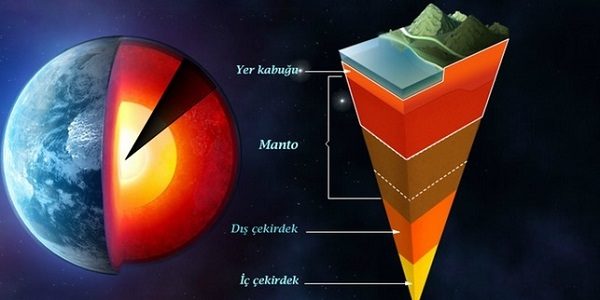
İnsanlık, doğal afetler karşısında zayıf kalsa da, kendi yarattığı etkiyle yer kabuğunda (litosfer) büyük değişimler yaratıyor. Maden çıkarma, inşaat, tarım ve sanayi faaliyetleri toprağın yapısını değiştiriyor. Erozyon artıyor. Toprak verimliliği düşüyor.
Yerel ölçekte başlayan bu süreçler, zamanla büyük boyutlara ulaşarak ekosistemin çökmesine yol açabiliyor.
How Human Infrastructure is Reshaping the Lithosphere
We have been rewriting the surface of the Earth for as long as we’ve been here. The goal? Mostly agriculture. You look at the terraced slopes in Vietnam, carved out by human hands to grow rice or crops. It looks small. Localized. But these aren’t just little dirt piles. They are massive alterations to the lithosphere.
Same with tunneling. Digging through mountains to create roads. It feels minor in the moment. But the aggregate effect is huge. We aren’t just moving dirt. We are destabilizing the ground itself.
Humans are obsessed with equilibrium. We find a spot and try to force it to fit our needs. Draining lakes for farms. Filling in seas to gain land. These aren’t isolated incidents. They are the blueprint of modern geography.
The Cost of Unchecked Construction
Construction is the biggest game changer right now. We are playing with the shape of the planet more than ever. Conscious or not, the sheer volume of building is degrading the quality of the land, not just the shape.
Think about the highway systems. The sprawling industrial zones. The tunnels blasted through ridges to shorten commute times. These are the new normal.
Urbanization accelerates this. Except for the few protected reserves left, natural landscapes are being ripped up. In their place? Concrete blocks. It seems like progress. It seems necessary. But over time, this constant paving and building creates significant negative impacts on the lithosphere. The ground can’t breathe anymore. The structural integrity of local regions weakens.
Mining: A Growing Scar on the Planet
Mining is getting worse. The search areas are expanding every year. The lithosphere, already stressed by human activity, is taking a direct hit.
Surface mining is particularly destructive. It changes the geographic profile of regions almost overnight. Look at the data. In just the last quarter of the 20th century, mining activities alone damaged 156 million hectares of land. That is a massive amount of surface area. We are stripping it bare.
Where Does Human Impact Hit the Water Most?
Water is non-negotiable. It’s the source for us and every other living thing on Earth. The hydrosphere consists of everything from oceans and seas to lakes, rivers, and groundwater.
It seems like a simple concept. But human impact on these water bodies? It’s extensive. And it’s getting harder to ignore.
The Hidden Cost of Taming Water
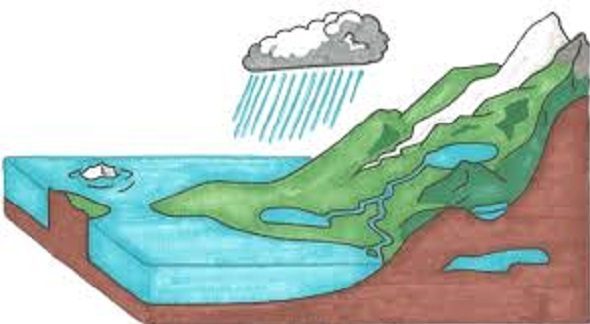
We think of water as endless. It cycles. It falls, it flows, it returns. But that cycle is fragile. Human activity has tipped the balance. We aren’t just observers of the hydrosphere anymore. We are the disruptors.
For thousands of years, we’ve reshaped the water we depend on. The damage isn’t new. It’s cumulative. And when it comes to rivers, we’ve done the most irreversible harm.
How River Alteration Disrupts the Water Cycle
Altering river flow is arguably humanity’s greatest ecological mistake. Why? Because it breaks the natural rhythm of the hydrosphere. The water doesn’t know how to adapt to concrete channels and diverted paths.
The consequences ripple outward. First to us. Then to every living thing downstream.
Think about it. When we divert a river for a city, we starve the wetlands. When we build a dam for energy, we trap sediment and nutrients. When we straighten a stream to prevent flooding, we accelerate erosion elsewhere. The system fights back. Slowly. Inevitably.
Urbanization and Agricultural Pressures
The trouble started when we built cities. We needed water. So we moved it. We dug canals. We pumped aquifers. We treated water like a commodity, not a cycle.
Agriculture followed. Farmers changed waterways to irrigate crops. The natural flow of rivers was hijacked to feed fields hundreds of miles away. The result? Dry deltas. Saline soils. Empty reservoirs.
Then came the dams. Big ones. Hundreds of them. They control floods. They generate power. But they also block fish migration. They change water temperature. They trap the very silt that replenishes riverbanks. The hydrosphere suffers. We reap the benefits—until we don’t.
How Human Activity Impacts the Biosphere
Here’s the paradox. We are part of the biosphere. We breathe its air. We drink its water. We eat its plants and animals. Yet we act like we’re separate.
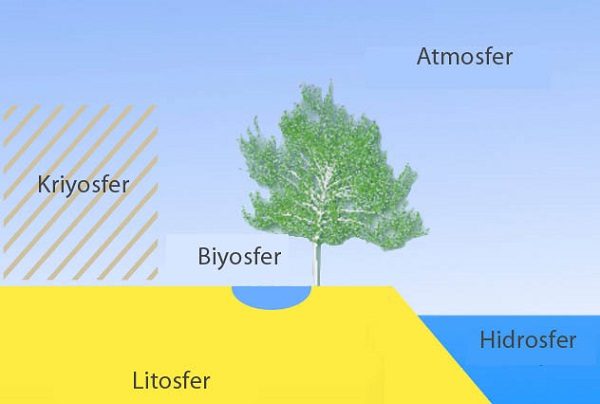
The biosphere consists of the lithosphere (land), atmosphere (air), and hydrosphere (water). All three interact. All three are stressed by human activity.
Natural plant and animal communities have faced human-driven changes for millennia. But the scale and speed of recent impacts are unprecedented. We clear forests for paper. We drain wetlands for development. We pollute rivers with runoff. The biodiversity that sustains the biosphere is shrinking.
The Interconnected Web
It’s not just about water. Or land. Or air. It’s about the connections.
When you degrade the hydrosphere, you weaken the biosphere. When you harm the biosphere, you destabilize the atmosphere. It’s a chain reaction. We can’t pick and choose which part to protect.
“The hydrosphere is not a resource to be managed. It is a system to be respected.”
Respect doesn’t mean doing nothing. It means working with the flow, not against it. It means understanding that every drop of water has a journey. Every river has a history. Every wetland has a function.
What Can Be Done?
It’s not too late. But it requires a shift in mindset.
- Protect natural waterways. Stop straightening rivers
The Hidden Cost of Clearing Land
We rarely see the damage happening in real time. That’s the problem. When human activity reshapes plant cover, natural species vanish. It is a quiet theft. It steals life rights from every creature on Earth, starting with us. Burning forests or clearing land to build cities disrupts the biosphere in ways we are only beginning to measure. The impact is systemic.
Deforestation and Habitat Loss
Consider Central America. Just a few decades ago, tropical rain forests covered two-thirds of the region. Today, that picture is starkly different. Human expansion for agriculture and infrastructure has decimated large swathes of this critical habitat. Clearing these forests does more than change a landscape. It strips away the life rights of countless species that have nowhere else to go. The loss of plant cover is a direct eviction notice for wildlife.
The Scale of Extinction
The numbers are sobering. Over the last two thousand years, at least 110 mammal species have gone extinct globally. But that number is just the tip of the iceberg. It represents only the species we have formally identified. Many others likely vanished without ever being recorded. This is not just a statistic. It is a erasure of biological diversity that took millions of years to build.
Domestication as a Force of Change
Human influence extends beyond destruction. It also involves creation through domestication. For tens of thousands of years, we have been altering animals to suit our needs. This process has driven massive biological changes in domesticated species. It is another layer of human control over nature, one that reshapes the genetic landscape of the animals we live alongside.
A Planet Under Pressure
The atmosphere, lithosphere, hydrosphere, and biosphere are all feeling the strain. Human activity is accelerating at a pace that natural systems cannot absorb. The negative feedback loops are becoming harder to ignore. When these spheres are compromised, life rights are compromised for everyone. Humans are at the top of the food chain, but we are not exempt.
Despite growing awareness and early conservation efforts, the boundaries of human destruction continue to expand. Why do they grow? The drivers are complex. They include warfare, economic power struggles, an increase in weaponry, and rapid industrialization. These factors act as a weight on the world’s ecosystems. They limit the space and resources available for other life forms.
We are building a world that is increasingly hostile to non-human life. The question is not whether we can see the damage. We can. The question is whether we will stop letting it happen. The clock is ticking. The forests are still burning. The animals are still losing their homes. And the cycle continues.