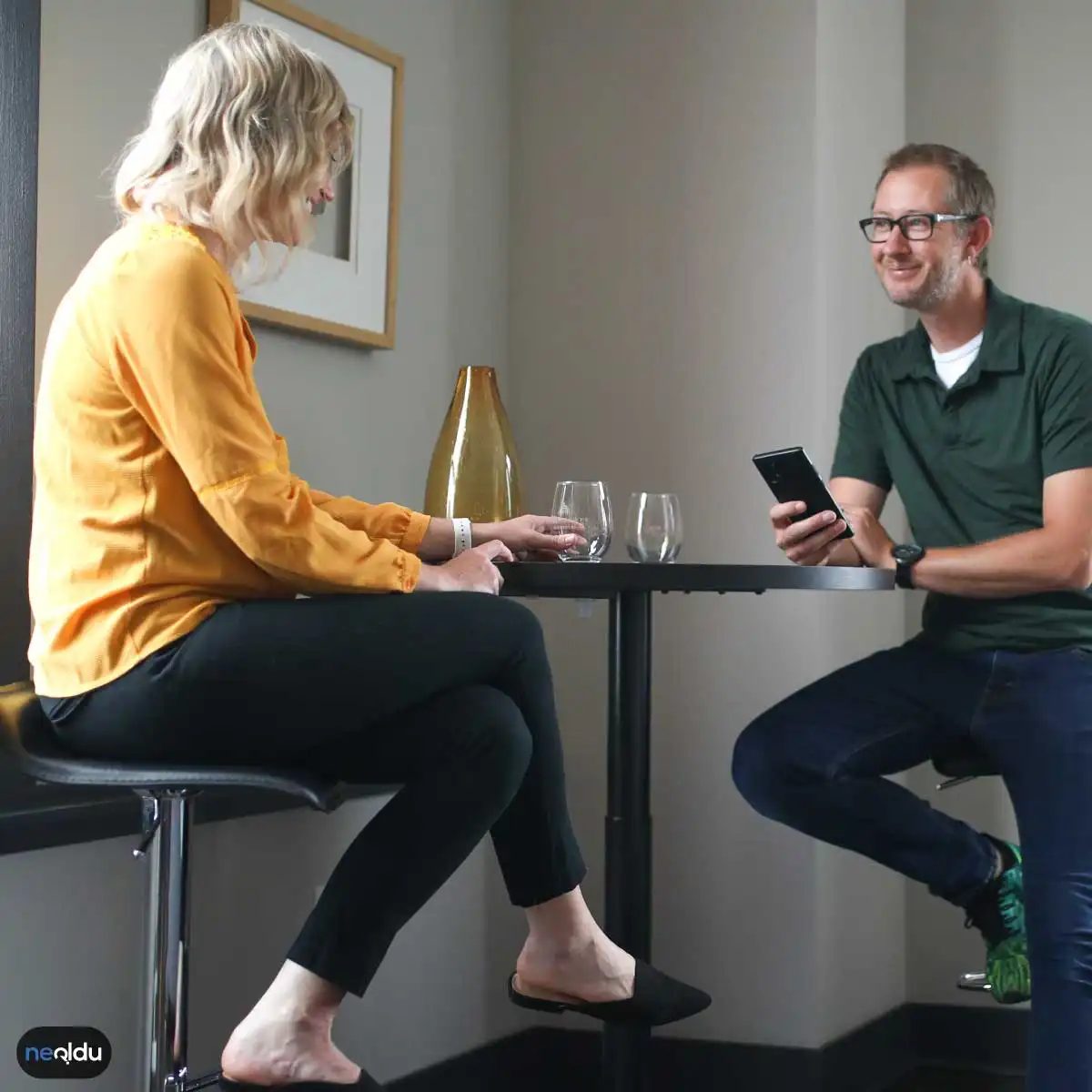
You’re sitting across from someone who holds your future in their hands. The air conditioning is humming. Your heart is doing gymnastics. You’ve rehearsed the answers a hundred times, but does it matter if you don’t know what you’re actually walking into?
Most people treat job interviews like a monologue. They just talk. They hope something sticks. It doesn’t.
An interview is a conversation designed to reveal one thing: can you do the job, and will you drive anyone else up the wall while doing it? It’s not just about reciting your resume back to them. It’s about proving you belong there. And the first step to belonging is understanding the landscape you’re entering.
What Exactly Is a Job Interview?
At its core, an interview is a structured evaluation. An employer uses it to assess your technical skills, cultural fit, and problem-solving abilities under pressure. It’s a two-way street, sure. You’re judging them as much as they are judging you. But until you sign that contract, they hold the cards.
The goal isn’t to be perfect. The goal is to be prepared. And preparation starts with knowing the format. Because a phone screen is a completely different beast than a panel interview. If you try to play the panel game during a casual coffee chat, you’ll look stiff. If you treat a formal panel like a buddy system, you’ll look reckless.
The Different Types of Interviews You’ll Face
Not all interviews look the same. In fact, they can look wildly different depending on the industry and the company size. Knowing which type you’re facing changes everything about how you prep.
1. The Phone Screen
This is usually the first hurdle. It’s short. It’s fast. It’s often conducted by an HR recruiter who doesn’t have deep technical knowledge of your role. The goal here isn’t to impress them with your greatest achievement. It’s to check boxes.
- Are you still interested?
- Do you have a basic grasp of the role?
- Are your salary expectations in the ballpark?
Keep it concise. Don’t ramble. This is a filter, not a finale.
2. The Video Interview
Post-pandemic, this is everywhere. It can be live (with a human) or asynchronous (recorded responses to preset questions).
Live video interviews share the same pitfalls as phone screens, plus technical distractions. Your lighting matters. Your background matters. You need to look like you’re in a professional space, even if you’re answering from your kitchen table.
For asynchronous interviews, the game changes. You’re talking to a wall, then to a camera. You need to pace your answers tightly. Most platforms give you 30 seconds to think and 2-3 minutes to speak. Practice recording yourself. Watch it back. Do you look confident? Or do you look like you’re reading off a teleprompter?
3. The Behavioral Interview
This is the most common format for mid-to-large companies. They don’t ask “what would you do?” They ask “what did you do?”
They’re looking for patterns in your past behavior to predict future performance. You’ll hear questions like:
- “Tell me about a time you failed.”
- “Describe a situation
Bir iş görüşmesi sadece soru-cevap arası bir sohbet değil. Bu, karşılıklı bir inceleme. Adayın yeteneklerini, deneyimini ve kişilik yapısını ölçmek için yapılan bir sınav. Peki, bu süreçte hangi formatlarla karşılaşabilirsiniz? İşverenler, farklı roller ve şirket kültürleri için farklı mülakat türleri tercih eder. Hangi türün size uygun olduğunu anlamak, hazırlık sürecinizi yönlendirecektir.
Yüz Yüze Mülakatlar: Geleneksel ve Doğrudan
En bilinen form. Yine de en etkili olan da bu. Karşı karşıya gelmek, beden dilini okuma şansı tanır. Göz teması, duruş, hatta ne kadar hazırlandığınızı gösteren detaylar burada belli olur.
- Tekrarlayan Görüşmeler: Bazı şirketler süreci parçalara böler. İlk görüşme HR ile, ikincisi departman yöneticisiyle, üçüncüsü CEO veya genel müdürle olabilir. Her aşama farklı bir filtre görevi görür.
- Panel Mülakat: Birden fazla kişi aynı anda sizi sorgular. Bu, baskı yaratmak için değil, farklı perspektifleri değerlendirmek içindir. Kimin size daha çok uyduğunu görmek isterler.
- Informal (Gayriresmi) Mülakat: Kahve içmeye davet edildiniz mi? Hazırlıklı olun. Resmi soruların altında, gerçek kişiliğiniz ve kültürel uyumunuz test edilir.
Sanal Mülakatlar: Dijital Çağın Yeni Normu
Koronavirüs dönemiyle hız kazandı, ama geri dönmeyecek gibi görünüyor. Online platformlar üzerinden yapılan bu görüşmeler, coğrafi sınırları kaldırır. Ancak dikkat edilmesi gereken noktalar var.
- Video Konferans: Zoom, Teams veya Skype… Arka planınız düzenli mi? Işık yüzünüze mi vuruyor? Sesiniz net mi? Teknik detaylar, profesyonelliğinizin bir parçası.
- Sesli Görüşme: Sadece sesiniz var. Görsel ipuçları yok. Bu, net ifade etme ve dinleme becerinizi daha da öne çıkarır.
Yapılandırılmış vs. Yapılandırılmamış Mülakatlar
Bu ayrım, soruların akışını ve değerlendirme ölçütünü belirler.
Yapılandırılmış Mülakat:
Her aday aynı soruları alır. Cevaplar önceden belirlenen puanlamalarla değerlendirilir. Bu, adaleti sağlar. Kişisel önyargı riskini minimuma indirir.
Yapılandırılmamış Mülakat:
Daha spontandır. Sorular, o anki akışa göre değişir. Yaratıcılık gerektirir. Ama bu tür mülakatlar, röportörün kişisel tercihlerine açık olabilir.
Durum Odaklı (S


İşverenlerin adayları süzdüğü yöntemler tek tip değil. Pozisyonun gereklilikleri ve şirketin kültürü buna göre şekillenir. Farklı mülakat türlerini anlamak, sadece cevabınızı değil, hangi zeminde mücadele ettiğinizi de netleştirir. İşte göz önünde bulundurmanız gereken başlıca türler.
Yapılandırılmış Mülakatlar: Hakkaniyet Arayışı
Bu formatta her aday aynı sorulara maruz kalır. Amaç, kişisel yargıları sıfıra indirmek ve sadece yetkinlikleri ölçmektir. Sorular önceden belirlenir. Bunlar genellikle rolün gerektirdiği bilgi birikimi, beceriler ve önceki deneyimi test etmek için kurgulanır.
Neden önemli? Çünkü farklı adayların aynı kriterlere göre değerlendirilmesini sağlar. Bu durum, seçim sürecinde adaleti ön plana çıkarır. Siz de bu sürecin bir parçasıysanız, standartlara uygun, net ve doğrudan cevaplar vermek en iyisidir.
Davranışsal Mülakatlar: Geçmiş Geleceği Belirler
Buradaki mantık basit: Geçmiş davranışlar, gelecekteki performansın en iyi göstergesidir. İşverenler, sizi zorlu bir durumda nasıl davrandığınızı, karar verme süreçlerinizi ve ekip içi etkileşiminizi sorgular.
“En büyük zorluğunuz neydi ve nasıl çözdünüz?” gibi sorular bu kapsamdadır. Cevaplarınızda somut örnekler vermek şart. Soyut kavramlardan ziyade, yaşadığınız gerçek senaryolar üzerinden gitmek, inandırıcılığınızı artırır. İşveren, potansiyelinizi değil, kanıtlanmış davranış kalıplarınızı izler.
Grup Mülakatları: Dinamikleri Okumak
Birden fazla aday aynı odada veya ekranda buluşur. Bu, sadece teknik yeterliliğinizi değil, sosyal becerilerinizi de sınar. Takım çalışması, liderlik, iletişim ve çatışma çözme yetenekleriniz gözlemlenir.
Genellikle daha üst düzey pozisyonlar veya yönetim eğitim programları için tercih edilir. Burada dikkat etmeniz gereken en kritik nokta, diğer adayları baskı altına almak yerine, fikirlerinizi akıcı ve saygılı bir şekilde savunmanızdır. Hakkınız olanı almak için mücadele edin, ancak işbirliğinden ödün vermeyin.
Sanal Mülakatlar: Teknolojiye Uyum
Yüz yüze görüşme yerine internet veya telefon üzerinden gerçekleşen bu formatlar, artık endişe konusu olmamalı. İşverenler için zaman ve mekan kısıtlamalarını aşmak anlamına gelir. Sizin içinse, teknik altyapınızın sorunsuz çalıştığından emin olmanız gerekir.
İyi bir internet bağlantısı, temiz bir arka plan ve ses kalitesi bu tür görüşmelerin temelidir. Göz teması kurmak için kameraya bakmaya

Job interviews are the filter. Hiring managers use them to separate the candidates who can do the work from the ones who actually fit the culture. But it isn’t just about your resume. It’s about how you carry yourself in the room. Or on the screen.
Candidates often forget that soft skills are hard skills in disguise. You need to know how to behave, not just what you know.
Here is the reality of what matters when you walk in.
Stop Hesitating
First rule? Drop the qualifiers. “I think,” “Maybe,” “Sort of.” These words signal doubt. They signal that you don’t believe in what you just said.
If you are confident in your experience, let the facts speak. “I managed the project” works better than “I think I managed the project.”
Preparation Is Non-Negotiable
Showing up unprepared is a silent rejection. You don’t need to memorize a script. But you need to know who you are meeting.
Research the interviewer. If their name is in the system, use it. It shows respect. It shows attention to detail. If you can’t find their title, look at the company LinkedIn page. Don’t assume.
The Art of Selling Yourself (Without Lying)
You need to talk about your wins. But don’t inflate them. Hiring managers spot exaggeration instantly. It looks insecure.
State your achievements clearly. Use numbers if you have them. “Increased sales by 15%” is concrete. “I was really good at sales” is vague.
Be honest about your weaknesses. If they ask, don’t give a fake answer like “I work too hard.” That’s cliché and annoying.
Instead, talk about how you overcame a gap. “I struggled with public speaking, so I joined a workshop. Now I feel much more comfortable leading meetings.” Show growth. Show that the weakness is solved.
Body Language and Positioning
Watch the room. If they gesture to a chair, go there. Don’t hover. Don’t ask “where should I sit?” It looks passive.
Sit up straight. Look at them. Not at their shoes. Not at the window.
The Money Question
Here is where many candidates stumble. Do not bring up salary, benefits, or time off until they do.
If the interviewer opens that door, you can discuss it. If you lead with “What’s the pay?” you look transactional. You look like you care more about the output than the work.
Show enthusiasm for the role. Not the paycheck. The job.
Common Mistakes to Avoid
What trips people up most?
- Arriving late. Even five minutes is too much.
- Badmouthing a previous employer. Never. It makes you look difficult.
- Not asking questions. If they ask “Do you have any questions for us?” and you say “No,” you’ve failed. It shows zero curiosity.
- Checking your phone. Put it away. Face down. Silent.
Why This Matters
You aren’t just proving you can code or write or sell. You’re proving you’re someone they can stand next to for eight hours a day.
The technical skills get you the interview. The behavior gets

You walk into the room. Or log in. The clock is ticking. You need to leave an impression that sticks, not one that fades into the noise of other applicants. But here is the reality: stress hijacks your brain. Excitement scrambles your words. And when you are unprepared, you trip over basic mistakes that have nothing to do with your actual skills.
The Cost of Being Unprepared
Going in blind is the biggest error candidates make. Period.
You think your resume speaks for itself. It doesn’t. The interviewer wants to know you understand their world. If you haven’t researched the company, you look lazy. If you haven’t thought about how your specific skills map to their current problems, you look generic. This isn’t just about memorizing the company history. It’s about connecting the dots.
“Preparation is not just about knowing facts. It’s about knowing how you fit into their narrative.”
The Talk Too Much / Say Nothing Trap
There is a middle ground between monologue and monosyllable.
Interviewers are mining for data. They want to know how you think. If you ramble for ten minutes on a topic they didn’t ask about, you’re showing poor judgment. You’re not respecting their time. On the flip side, answering with one word? That’s not mystery. That’s disinterest.
The goal is concise, relevant answers. Give them the headline. Then give them the evidence. Stop. Let them ask for more detail if they need it.
The Negative Echo
Do not badmouth your ex-boss.
It sounds obvious. But candidates do it constantly. You complain about the old job. You trash your previous teammates. You paint yourself as the victim of incompetence elsewhere.
Here is why this is a red flag: If you talk negatively about people you used to work with, the interviewer assumes you will talk negatively about them when you leave. It signals loyalty issues. It signals drama. Keep it professional. Even if your last job was a disaster, frame the experience as a learning opportunity, not a grievance.
Dressing for the Job You Want (and the One You Have)
Clothing isn’t just fabric. It’s visual communication.
Wearing the wrong outfit sends a signal before you even speak. It says, “I don’t understand this industry” or “I don’t care enough to get it right.” This doesn’t mean you need a custom-tailored suit if you’re applying for a creative coding role. It means you need to match the culture.
Research the dress code. When in doubt, err on the side of slightly more formal. It is easier to roll up sleeves than to ask for a jacket.
Interrupting and Looping
Listening is a skill. Most people treat interviews as a speech competition.
If you cut off the interviewer, you fail the basic test of professional etiquette. If you repeat the same phrase over and over because you are nervous, you lose credibility. Clear, direct answers work best. Listen to the question. Answer the question. Don’t pad your response with filler stories that go nowhere.
Common Interview Questions to Prepare For
Knowing the pitfalls is half the battle. The other half is knowing what comes next. You will be asked

Common Interview Questions You Should Prepare For
Hiring managers aren’t just checking your resume. They want to know who you are. Do you fit? Can you handle the pressure? That is why interviews involve a barrage of different questions. You will likely face inquiries about your personality, skills, and long-term potential.
Here are some of the most frequent questions you might encounter.
Why Us? And What About You?
“Tell me about yourself.”
This is the classic opener. It seems simple but trips up many candidates. Start with your professional background. Briefly touch on your education. Then pivot to why you are here now. Do not recite your resume. Connect the dots for them.
When they ask why you chose our company, do not give a vague answer. Show you did your homework. Mention specific projects, company values, or recent news. If you cannot answer “what do you know about us?” with concrete details, look uninterested.
Other questions probe your loyalty and scope.
- Where else have you applied? Be honest. It shows your career trajectory.
- How long do you plan to stay? They fear turnover. Give a realistic answer that shows ambition but also stability.
- Why are you a good fit? Link your strengths directly to the job description.
- What value do you bring? Focus on outcomes. What problems will you solve?
Salary and Flexibility
Money matters. So does schedule.
- What are your salary expectations? Research market rates for the role and location. Give a range, not a single number. Anchor it to your skills.
- Are you flexible with working hours? Be clear. If you need strict boundaries, state them professionally. If you are open to overtime during crunch times, say so.
Personal Traits and Weaknesses
This is where they test your self-awareness.
- What are your positive traits? Pick three. Back them up with examples. “I am organized” means nothing without proof. “I streamlined the filing system, saving two hours a week” has proof.
- What are your weaknesses? Do not say “I work too hard.” It is a cliché. Pick a real area for improvement. Then explain how you are actively working on it. This shows growth mindset.
- How do you handle criticism? Are you defensive or receptive? They want to hear that you view feedback as a tool for improvement, not a personal attack.
- What is the most important thing you have learned? It can be professional or personal. Keep it concise. What did that lesson teach you about resilience or learning?
Stress and Teamwork
No one wants a colleague who implodes under pressure.
- Can you stay calm under stress? Describe a specific high-pressure situation. How did you react? Did you freeze? Or did you prioritize tasks?
- Do you get angry? It is better to admit you have limits than to pretend you are a saint. Explain how you manage anger constructively.
- What do you think about teamwork? Even if the role is solo, companies value collaboration. Explain how you support others.
Education and Growth
- Why did you choose your major/college? Did you have a passion? Or was it practical? Be honest.
- Do you plan to continue your education? Lifelong learning is attractive. Even if you are not pursuing a degree, mention certifications, courses, or self-study.
Types of Interviews You Might Face
Not all interviews look the same. The format depends on the role and company culture.
In-person interviews remain the gold standard for final rounds. They allow for non-verbal cues and a genuine connection.
Phone screens are usually the first step. They are quick. They filter out candidates who do not meet basic criteria.
**