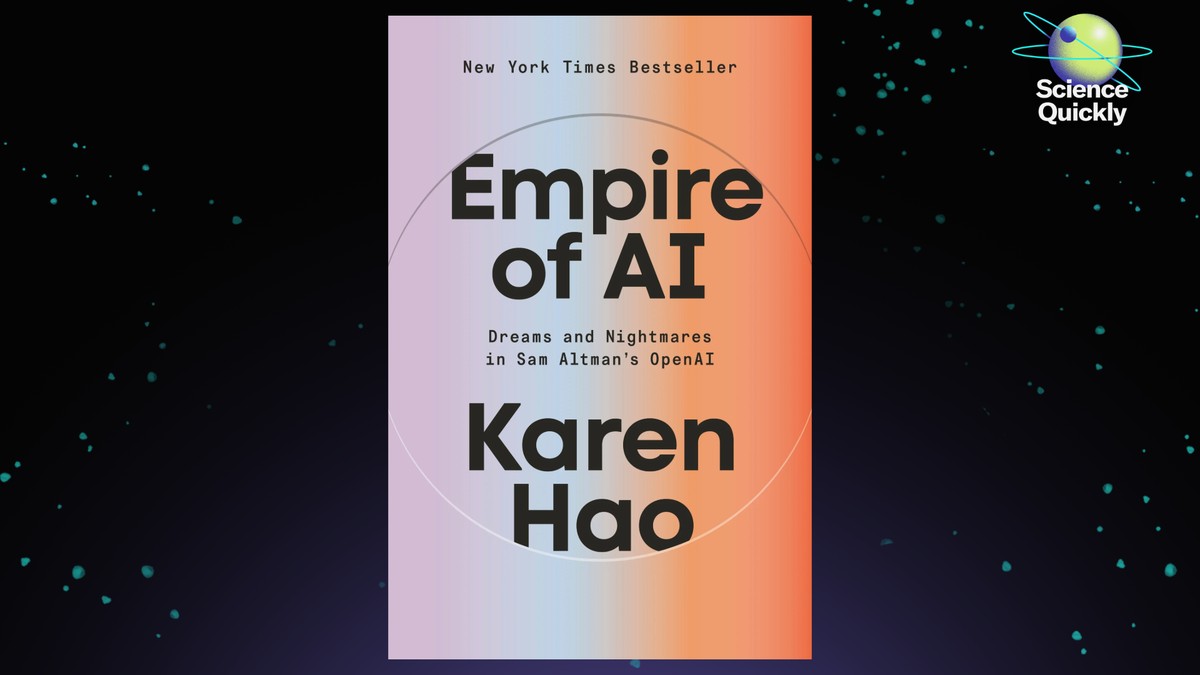
In 2022, OpenAI released ChatGPT, and generative AI has since rapidly integrated into daily life. While excitement about AI grows, polls reveal that more Americans are concerned than enthusiastic about its increasing use—a sentiment that has surged since 2021. According to Karen Hao, author of Empire of AI, this unease is justified.
Hao’s research frames OpenAI and similar companies as modern “empires,” wielding unprecedented power through resource extraction and ideological control. These firms amass influence by exploiting data, labor, and even the planet itself. Unlike traditional capitalism, AI companies operate on a quasi-religious faith in Artificial General Intelligence (AGI) rather than pure profit motives. This ideological drive fuels unsustainable growth, exemplified by OpenAI’s plans for a $10 trillion expansion that defies economic logic.
The environmental toll is staggering. OpenAI aims to build 250 gigawatts of data center capacity by 2033, likely relying on fossil fuels to meet demand. Utilities are already extending the lifespans of polluting plants to accommodate AI infrastructure, exacerbating air pollution in vulnerable communities. Meanwhile, data centers consume vast amounts of freshwater, competing with local populations in water-scarce regions.
The notion that AI will “solve” these problems is misleading. The harms are already happening, while AGI remains a speculative possibility dismissed by most AI researchers. The real issue isn’t individual actors like Sam Altman but the systemic power structures that allow unchecked influence. Altman, a master manipulator, leverages genuine belief within the AI community to secure resources and capital.
The international impact is particularly acute. Hao’s travels revealed exploitative labor practices in countries like Kenya, where OpenAI contracts workers for minimal pay. This exploitation mirrors historical colonialism, with AI empires extracting value while leaving little benefit for those who contribute.
Ultimately, the problem isn’t just OpenAI or Altman. It’s a broken system that grants immense power to unaccountable entities. Dismantling this structure, not merely scrutinizing individuals, is the key to ensuring a more equitable and sustainable future.