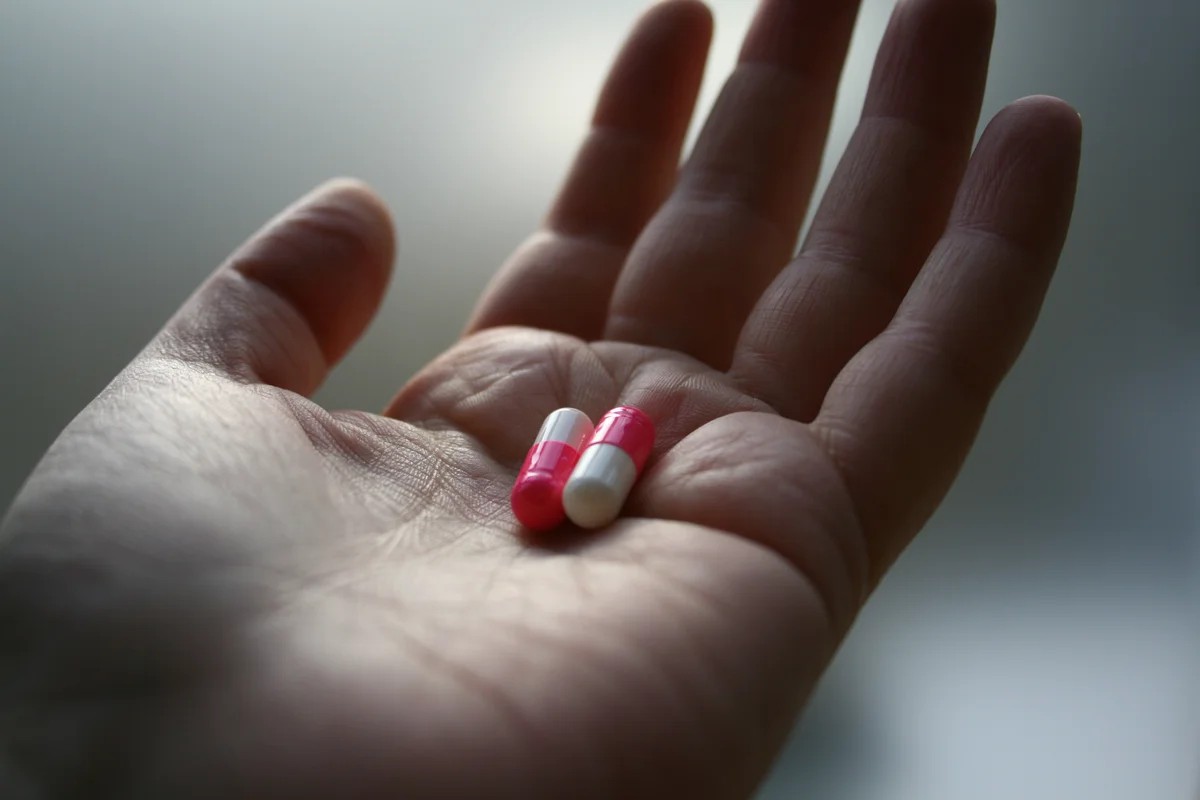
Even a single course of antibiotics can fundamentally alter a person’s gut microbiome for years, according to a groundbreaking study of nearly 15,000 adults in Sweden. This research highlights the long-term consequences of antibiotic use beyond their immediate infection-fighting purpose.
The Lasting Impact of Antibiotics
The study, published in Nature Medicine, cross-referenced stool samples with a national drug registry to compare gut bacteria in individuals who had taken antibiotics within the past eight years versus those who hadn’t. The results were stark: people who had used antibiotics had significantly less microbial diversity in their guts. A healthy gut typically contains around 350 unique bacterial species, but antibiotic exposure reduced this number, with the extent of the impact varying depending on the specific drug used.
Which Antibiotics Cause the Most Damage?
Certain antibiotics were far more disruptive than others. Clindamycin, often prescribed for skin and dental infections, was the most damaging, linked to an average loss of 47 bacterial species per course. Fluoroquinolones (for urinary and respiratory infections) and flucloxacillin (used for Staphylococcus aureus ) also led to significant reductions in diversity, though to a lesser extent. Penicillin V, a common antibiotic in Sweden, had the smallest impact, altering only 29 species.
These findings matter because previous studies have linked decreased gut diversity to chronic health problems like obesity, type 2 diabetes, and inflammatory bowel disease. While the exact mechanisms are still being investigated, the loss of beneficial bacteria can disrupt crucial metabolic processes.
Recovery Is Slow, and May Never Be Complete
The study found that the microbiome showed the fastest recovery in the first two years after antibiotic use. However, the rate of recovery slowed significantly after that, suggesting that the damage may not be fully reversible. Even a single course of antibiotics taken years prior could still affect gut bacteria composition.
Why This Happens and What It Means
The broad-spectrum nature of drugs like clindamycin and fluoroquinolones—which kill a wider range of bacteria—and their ability to reach high concentrations in the colon likely contribute to their severe effects. Surprisingly, flucloxacillin, a narrow-spectrum penicillin, also had a substantial impact, potentially due to its unique absorption and excretion patterns.
Researchers emphasize that antibiotics remain essential for treating serious infections. As one expert notes, “Antibiotics are nothing less than a miracle drug… they are absolutely needed in some cases.” However, the study underscores the need for cautious prescribing practices and a deeper understanding of the long-term consequences of antibiotic use.
The evidence suggests that even a single course of antibiotics can reshape the gut microbiome for years, highlighting the importance of using these powerful drugs only when truly necessary.