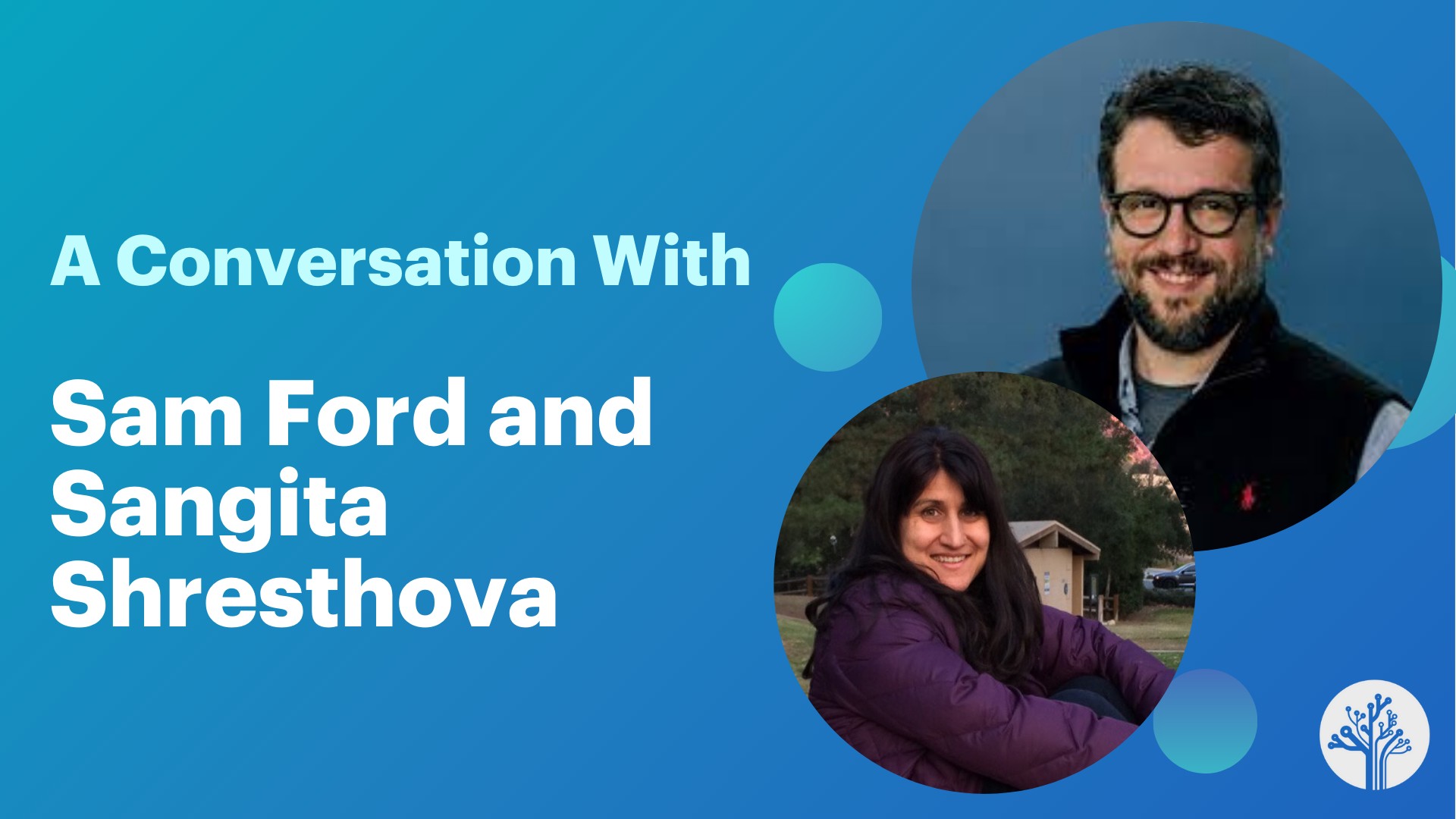
In a world increasingly defined by rapid change, the ability to collectively envision and build a shared future is paramount. The Bowling Green 2050 initiative, a groundbreaking project centered in Bowling Green, Kentucky, demonstrates how storytelling, civic imagination, and inclusive engagement can reshape community development. This approach isn’t about simply planning for the future; it’s about actively imagining it into existence, drawing inspiration from unexpected sources to unlock new possibilities.
This article explores how Sangita Shresthova of the Civic Imagination Project at USC, and Sam Ford of Inno Engine, are pioneering these innovative methods. By prioritizing collaboration and bridging divides, they’re crafting a vision of what could be—a model with lessons for communities everywhere.
The Power of Collective Imagination
The Civic Imagination Project isn’t a traditional think tank; it’s a hybrid organization that combines academic rigor with real-world application. Founded by Shresthova, the project recognizes that imagining the future isn’t a purely rational process. It requires tapping into the cultural narratives, personal memories, and emotional connections that truly inspire us.
“You cannot think about the future and you cannot act toward it without having a vision of what it might be,” Shresthova explains. “And that is not to say that we are trying to come up with a homogeneous vision… Rather, we’re interested in pluralistic ways to think about the future.”
This isn’t just about brainstorming; it’s about recognizing that every individual brings a unique legacy to the table. The project leans heavily into pop culture as a way to unlock deeper imaginative thinking. By asking participants to identify the fictional worlds that inspire them, rather than starting with abstract policy questions, the initiative bypasses conventional constraints and encourages genuinely novel ideas.
From Wrestling Fandom to Civic Engagement
Sam Ford’s background illustrates this point perfectly. His early research into professional wrestling and daytime soap operas revealed how immersive story worlds foster collective imagination. In these spaces, audiences actively co-create narratives, debating plotlines and suggesting alternative outcomes. This dynamic, he argues, is surprisingly relevant to real-world community building.
“These fictional towns… they’re messy, they’re large, they’re never-ending,” Ford observes. “That’s our real world.” By applying similar methodologies to civic engagement, Bowling Green 2050 encourages residents to treat their town as a living, evolving story—one they can actively shape.
Bowling Green 2050: A Case Study in Participatory Futures
The Bowling Green 2050 initiative began with a simple but powerful question: “What Could BG Be?” The project wasn’t about imposing top-down solutions; it was about facilitating a collective imagining process. Early workshops asked participants to bring an object that represented their relationship to work, prompting them to share personal narratives that grounded discussions about the future.
This approach proved particularly effective when the county judge executive recognized the scale of the city’s projected growth. Facing a challenge that conventional planning couldn’t solve, he turned to Shresthova and Ford for a new approach. “We’re growing like crazy,” Ford recalls. “Will that happen to us or for us? Those moments of pressure… can unlock imagination where you say, no conventional solution is going to work.”
Beyond the Blueprint: The Importance of Uncertainty
A key theme emerging from these discussions is the need to embrace uncertainty. The education system often prioritizes certainty, asking students to define their paths prematurely. Yet, as Ford points out, “The further you go through life, the more you realize that’s true always. Nobody knows what’s going to happen next.”
Bowling Green 2050 recognizes this reality. Instead of aiming for rigid blueprints, the initiative focuses on building adaptive capacity—the ability to respond creatively to unforeseen challenges. The project doesn’t just ask residents what they want their town to be; it asks them how they’ll navigate the unknown together.
The goal isn’t to predict the future, but to prepare for any future.
Conclusion
The Bowling Green 2050 initiative is more than a community planning project; it’s a testament to the power of civic imagination. By tapping into collective storytelling, embracing uncertainty, and prioritizing inclusive engagement, the initiative is demonstrating how communities can actively shape their own futures. This model underscores a critical truth: the most effective path forward isn’t about knowing what the future will be, but about cultivating the ability to imagine it together.