



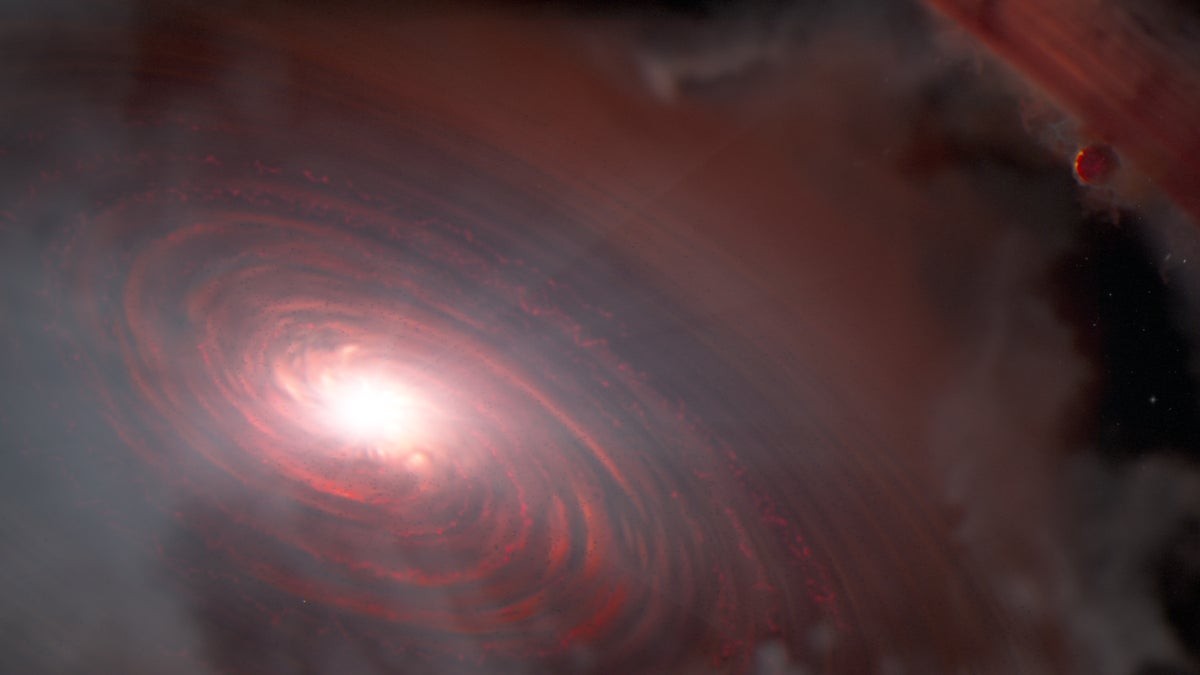
Протягом десятиліть загальноприйнятий науковий консенсус описував народження нашої Сонячної системи як повільний і впорядкований процес. Його уявляли як» спокійну ” епоху, коли масивна газова хмара, що оточувала наше молоде Сонце, охолоджувалася протягом мільйонів років, а мінеральні зерна поступово конденсувалися і осідали, як повільний дощ, утворюючи будівельні блоки планет.
Однак нове революційне дослідження, опубліковане в журналі * Nature, спростовує цей «розмірений» погляд. Дослідники припускають, що перші тверді тіла Сонячної системи з’явилися не в результаті повільного «моросящего дощу», а в ході бурхливого, стрімкого шторму мінералоутворення *, викликаного різкими перепадами температур в турбулентному диску.
Виклик моделі рівноваги
Щоб зрозуміти значущість цього відкриття, необхідно поглянути на» Золотий стандарт ” свідчень ранньої Сонячної системи: кальцій-алюмінієві включення (КАВ). Це крихітні мінеральні гранули, знайдені в метеоритах, які є найпершими твердими речовинами, що утворилися.
П’ятдесят років вчені спиралися намодель рівноважної конденсації. Ця теорія припускала, що охолодження відбувалося настільки повільно, що хімічні реакції мали достатньо часу для стабілізації. Згідно з цією моделлю, коли диск охолоджувався, мінерали формувалися один за одним, «споживаючи» певні елементи з газу передбачуваним, поетапним способом.
Однак у цієї моделі був серйозний недолік: вона не могла пояснити різноманітність хондритів — примітивних метеоритів, які діляться на три чіткі групи (звичайні, енстатітовие і вуглецеві) на основі рівня їх окислення. У рамках старої теорії рівноваги ці відмінності можна пояснити лише в тому випадку, якщо дані Метеорити утворюються в абсолютно різних частинах сонячного диска.
Ефект «голодного відвідувача»
Команда дослідників під керівництвом планетарного вченого Себастьяна Шарноза з паризького Інституту планетарної фізики використовувала комп’ютерне моделювання, щоб перевірити інший сценарій: що робити, якщо диск був турбулентним, а не спокійним?
Їх симуляції показали, що якщо в диску відбуваються різкі перепади температури, хімічне середовище ніколи не досягне рівноваги. Замість повільного, організованого процесу стрімке охолодження буде випереджати швидкість хімічних реакцій, «замикаючи» елементи в газоподібному стані і дозволяючи безлічі мінералів формуватися одночасно.
Шарноз використовує яскраву аналогію, щоб пояснити це:
“Коли охолодження відбувається повільно, перші мінерали “з’їдають” елементи з газового диска, ізолюючи їх і залишаючи наступні мінерали голодними. Але коли охолодження відбувається швидко, багато різних мінералів починають боротися за різні елементи одночасно. Це майже так, ніби всі вони “їли з однієї тарілки” — кожен намагається схопити те, що може».
Що важливо, ця «хаотична» модель породила три різні мінералогічні сім’ї, які майже точно повторюють три типи хондритів, які ми спостерігаємо в космосі сьогодні.
Зміщення часових рамок і походження води
Наслідки цього дослідження виходять далеко за межі складу гірських порід; вони переписують хронологію нашої космічної історії та Походження найважливішого інгредієнта життя — води.
- Швидший старт: * * хоча попередні моделі передбачали процес, розтягнутий на мільйони років, модель Шарноза вказує на те, що перші тверді речовини могли сформуватися лише через 10 000 – 100 000 років * * після народження Сонячної системи.
- Вода на місці: * * якщо мінерали формувалися швидко і в умовах турбулентності, хімічне середовище дозволило б кисню і водню з’єднуватися набагато легше. Це може означати, що гідратовані мінерали** (що містять воду) утворилися набагато раніше і ближче до Сонця, ніж вважалося раніше.
Це ставить під сумнів давнє переконання, що вода на Землю була «доставлена» пізніше багатими льодом астероїдами або кометами із зовнішніх областей Сонячної системи. Навпаки, дослідження припускає, що внутрішні скелясті планети могли народитися зі своїми запасами води.
Нові горизонти планетології
Хоча модель не ідеально відповідає кожній деталі відомих метеоритів (ймовірно, через наступні процеси, такі як нагрівання або циркуляція води), вона забезпечує набагато більш надійну основу для розуміння хаотичного середовища молодої зірки. Недавні спостереження космічного телескопа “Джеймс Вебб” підтверджують цю точку зору, демонструючи подібні спалахи швидкого мінералоутворення навколо інших молодих зірок.
“Це справжня зміна парадигми, – зазначає астроном Алессандро Морбіделлі. – Це здорова ідея, і результат виявився вельми несподіваним».
** Висновок:* * замінивши модель повільного та стабільного процесу моделлю швидкого, турбулентного охолодження, вчені відкрили нові двері для розуміння того, як виникли основні будівельні блоки Сонячної системи — і, можливо, сама вода, що підтримує життя.