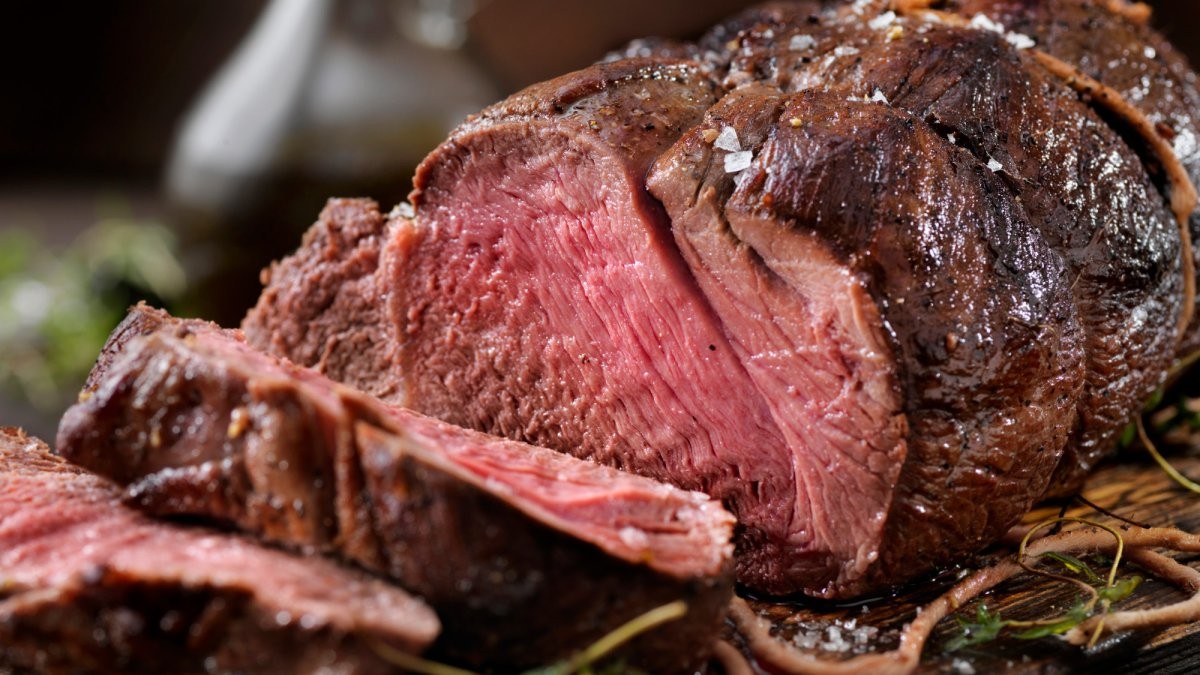
The term “gamey” in meat is surprisingly slippery. It’s used both to praise unique flavors in upscale restaurants and to criticize off-putting tastes. The confusion arises because “gamey” isn’t a single flavor; it’s a catch-all describing meat that doesn’t fit the typical profile of modern, factory-farmed products. Understanding this difference—and what causes it—is about more than just taste; it’s about how our food systems have changed.
What Does “Gamey” Actually Mean?
Originally, “gamey” referred to wild, hunted animals, each with distinct flavors. Today, it broadly describes meat that’s tougher, leaner, grassy, earthy, metallic, or pungent. In essence, it’s anything outside the standard experience of tender, mass-produced beef, pork, or chicken.
Meat scientists emphasize that this is a subjective term. As Mohammed Gagaoua of the French National Institute for Agriculture puts it, “Gamey is a consumer-driven term that reflects a multidimensional and dynamic evaluation.”
The Science Behind the Flavor
The intensity of the red color in meat is a key factor. The more an animal uses a muscle, the more blood and red muscle fiber it develops. Darker meat generally means a stronger, sometimes metallic, flavor. This isn’t just about color; it’s about how the animal lived.
Muscle use impacts texture too: highly-used muscles are tougher, which influences how we perceive the flavor. Our brains interpret these sensations together, making a tough cut feel different, even before tasting it.
Diet’s Role in Flavor
Factory-farmed animals fed grain produce tender, marbled meat, but it lacks robust flavor. Grain is bland, and that blandness carries over. Wild animals or those allowed to forage have more diverse diets that create a healthier mix of fats. When cooked, these fats produce tallowy, grassy, or fishy flavors—the kind you’d find in pasture-raised mutton or wild goose.
Aromatic compounds from an animal’s food also end up in its fat deposits. Pigs, with their simple stomachs, are particularly affected by their diet. Feed them fragrant greens, and you’ll taste it in the pork. Ruminants (cows, sheep) have complex stomachs that alter food more during digestion, but the effect is still present.
Beyond Diet and Activity
Hormones, stress, and even how an animal is killed impact meat flavor. Mature males have “musky notes” that many consumers avoid, leading to castration in feedlots. Stress and fear before slaughter can also alter tenderness and taste.
Flavor is complex: a species’ biology, the animal’s diet and stress levels, hormones at death, butchering practices, and cooking methods all contribute. Poor handling or overcooking can introduce off-flavors.
Why It Matters
The rise of standardized, factory-farmed meat has made “gamey” flavors less common. But some cultures value these qualities, seeing them as authentic or healthy. The term has even taken on a “halo effect,” with some consumers associating it with natural, untamed flavors.
Avoiding “gamey” meat is simple: stick to grain-fed cuts and avoid overcooking. But for adventurous eaters, it’s an opportunity to explore unique flavors and think critically about how food is produced.
Ultimately, the perception of “gamey” is subjective. Whether it’s desirable depends on taste, cultural background, and what you expect from your meal. The fact that we even have this debate highlights the disconnect between modern food production and the natural complexity of meat.