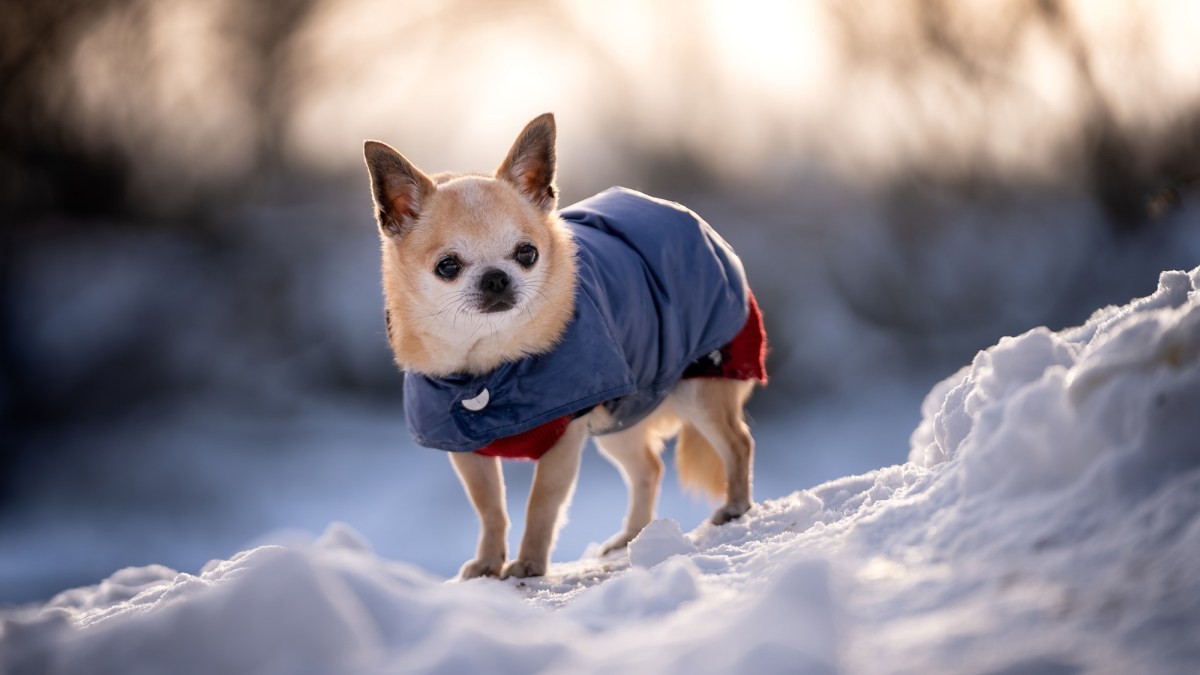
Small dogs often tremble noticeably more than larger breeds, a behavior that many owners observe but few studies have formally investigated. Experts say the reason goes beyond just feeling cold—it’s rooted in the physics of body size and how animals regulate temperature.
The Physics of Small Size
Smaller dogs lose heat much faster than larger ones due to their higher surface area-to-mass ratio. Think of a tennis ball versus a basketball: the tennis ball cools down quicker because its surface area is relatively large compared to its volume. Small dogs face the same challenge; they burn about 60% more energy per gram of body tissue just to stay warm, as early research from 2003 confirmed.
This isn’t unique to dogs—it’s a biological principle across species. When heat loss outpaces heat production, shivering kicks in: rapid muscle contractions generate warmth. A Great Dane might not need to shiver until temperatures drop significantly, but a Chihuahua could start trembling much earlier.
Environmental Factors and Comfort Levels
Small dogs also tend to live closer to the floor, where cold air accumulates. Many owners keep their homes at temperatures that are comfortable for humans but chilly for tiny breeds. USDA guidelines even recommend warmer temperatures for toy breeds (at least 50°F) because they’re more sensitive to cold.
If a dog trembles despite a seemingly warm environment, consider other factors. A quiet, resting dog that’s still shaking is likely too cold, unless it’s a brief tremor from a dream. Providing heated beds or pillows can help, but persistent shivering warrants a vet visit.
Beyond Temperature: Stress, Medication, and Health
Shivering isn’t always about cold. Neurological issues or medication side effects can cause tremors. A condition called idiopathic generalized tremor syndrome (formerly “little white shaker syndrome”) affects small breeds like Maltese and West Highland White Terriers, causing full-body tremors.
Stress also plays a role. Small dogs are often dismissed or restrained more easily, leading to ignored fear signals and anxiety-induced trembling. Owners may ignore growls from a tiny dog while taking a lunge from a larger dog seriously.
The Missing Research
Despite anecdotal evidence, no formal studies have definitively proven that small dogs shiver more than large dogs. Such research would require extensive monitoring with cameras, controlled temperatures, and willing participants.
The bottom line: The next time you see a shivering small dog, it could be cold, stress, or the simple reality of their small size. Offering a warm blanket or seeking veterinary advice is always a good idea.