On April 24, 1990, the launch of the Hubble Space Telescope marked a turning point in astronomy. Despite being eclipsed by the newer James Webb Space Telescope (JWST), Hubble remains not merely relevant but vital to our understanding of the universe. Dismissing it as obsolete is both inaccurate and overlooks the unique capabilities that make it irreplaceable.
The Power of Atmospheric Escape
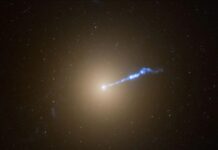
Hubble’s initial advantage stemmed from its location above Earth’s atmosphere. Ground-based telescopes suffer from atmospheric distortion, light pollution, and absorption of certain wavelengths, particularly ultraviolet and infrared. By orbiting outside these limitations, Hubble achieved unprecedented clarity and access to previously obscured parts of the electromagnetic spectrum. This allowed it to observe fainter objects, measure the expansion rate of the universe, study planetary weather, and confirm the presence of supermassive black holes in most large galaxies.
Hubble vs. Webb: Not a Replacement, But Complementary Tools
The narrative that JWST “replaced” Hubble is misleading. While JWST is larger and optimized for infrared observation, Hubble excels in visible light. The two telescopes were designed for different purposes and deliver distinct kinds of data. JWST’s strength lies in peering through cosmic dust to detect the earliest galaxies, which are heavily redshifted into the infrared spectrum. Hubble, on the other hand, provides high-resolution visible light imagery that JWST cannot match.
The Unexpected Longevity of a Flawed Beginning
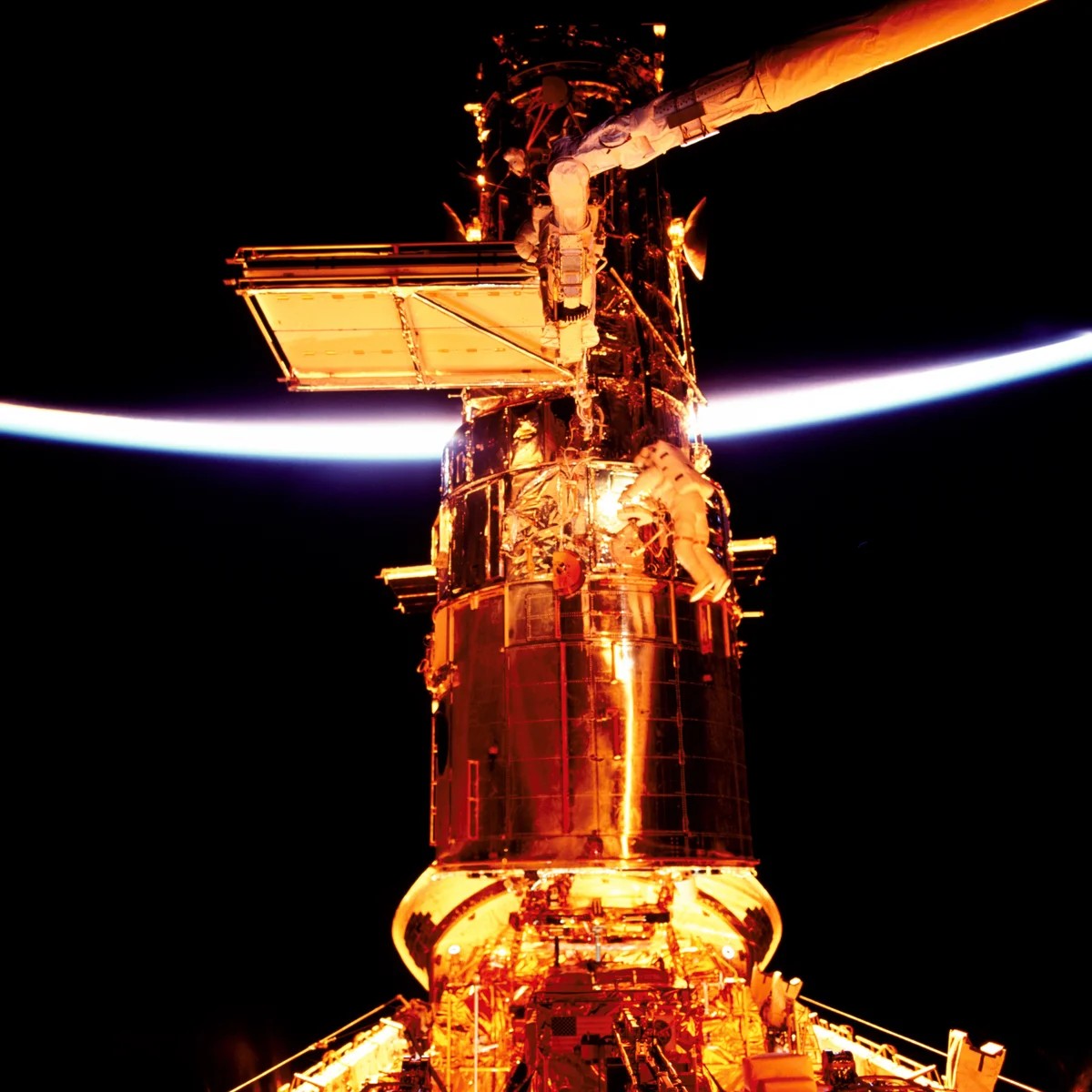
Hubble’s journey wasn’t without setbacks. Launched with a flawed mirror, the telescope initially produced blurry images. This required a costly and daring in-space repair mission in 1993, yet the corrected data transformed the field. The story is a reminder that even imperfect beginnings can yield monumental breakthroughs, and that sustained investment in science can overcome technical hurdles.
Cost and Performance: An Irony of Space Exploration
Both Hubble and JWST faced budget overruns and delays, ultimately costing around $10 billion each. Surprisingly, when adjusted for inflation and the inclusion of servicing missions, JWST turns out to be cheaper than Hubble. More importantly, JWST launched with nearly flawless performance, while Hubble required years of adjustments. However, Hubble has proven remarkably resilient, exceeding its original 15-year mission lifespan and accumulating over 1.7 million observations in 35 years.
A Legacy of Endurance
Despite aging gyroscopes and inevitable degradation, engineers have continually optimized Hubble’s performance. NASA has a history of extending the lifespans of its missions: Chandra, Spitzer, and Fermi all far outlived their initial projections. If JWST maintains Hubble’s longevity, it could remain operational until 2057.
The key takeaway is that Hubble is not obsolete; it is an enduring testament to human ingenuity and a critical component of our ongoing exploration of the cosmos. The future of astronomy isn’t about replacing legacy instruments, but about building upon them to expand our understanding of the universe.