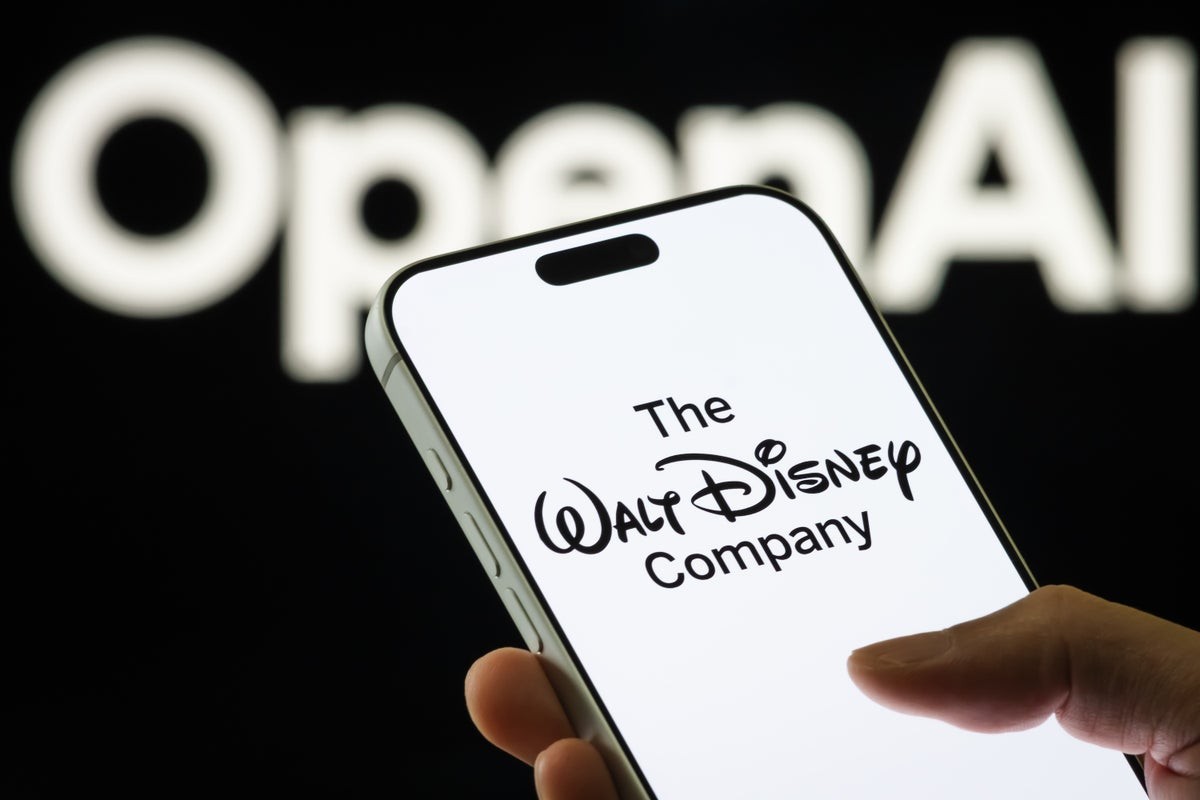
The earliest surviving motion picture, Roundhay Garden Scene (1888), shows just two seconds of people walking in a yard. Today, AI is poised to create video on demand at a scale unimaginable just decades ago. A new partnership between Disney and OpenAI signals the arrival of this future: starting in 2026, OpenAI’s Sora will generate videos featuring Disney, Marvel, Pixar, and Star Wars characters, streamed directly on Disney+.
This isn’t a distant dream. Disney is investing $1 billion into OpenAI to build “new experiences” for subscribers, including AI-generated content they can create themselves. Imagine requesting a scene of Elsa and Cinderella battling Maleficent—a clip that could be delivered in seconds.
From Seconds to Streaming: The Evolution of AI Video
The progress from the jerky, one-second AI videos of 2016 to the potential for full-length films is remarkable. Early cinema was once dismissed as a “foolish curiosity,” just as some now deride AI video as wasteful. Yet, the same skepticism existed toward early movies before The Great Train Robbery (1903) and Gone with the Wind proved their staying power.
The challenge lies in the technical complexity of video generation. Current AI systems rely on diffusion, refining “noise” into coherent images through repeated processing. Each refinement increases computational cost, especially with video: millions of pixels must change seamlessly across frames to avoid glitches like vanishing coffee mugs or shifting facial features. OpenAI tackles this by compressing video into simplified frames, then dividing those frames into cubes to coordinate the model’s output – similar to how ChatGPT connects words in a response.
The Path to Scalable AI Video
Generating longer videos is exponentially harder. Inconsistencies accumulate with each frame added. True “on-demand” AI TV would require efficient cuts between scenes, which is currently prohibitive at scale.
However, researchers are finding ways to reduce costs. One approach is frame-by-frame generation, limiting the compute needed for each step. Tianwei Yin of Reve believes that five-minute AI videos will be feasible by next year, with hour-long clips following soon after. Google CEO Sundar Pichai even predicts high school students creating feature-length AI films in the coming years. Runway CEO Cristóbal Valenzuela agrees, stating that 60–90-minute consistent AI videos are “soon” possible.
The Economics of AI Video Production
The financial burden is significant, but decreasing. Just as bandwidth costs plummeted from $1,200 per Mbps in 1998 to $0.05 per Mbps in 2025, enabling streaming services like Disney+, the costs of AI technologies will likely fall with increased production and training. Millions of people are already involved in developing AI models, and efficiency gains are inevitable.
This shift will require navigating ethical and financial implications, including compensating the creatives whose work trains these models. However, the trajectory is clear: AI-generated video is no longer a question of if, but when. The future of entertainment may soon be shaped by algorithms, offering audiences unprecedented control over their viewing experience.