For the sixth consecutive year, the Dutch city of Utrecht is employing an unusual tool to aid spring fish migrations: the Fish Doorbell. This project allows anyone with an internet connection to help open a 17th-century canal lock, ensuring fish can reach their spawning grounds.
The Problem: Aging Infrastructure and Migratory Needs
The Netherlands’ extensive network of canals and waterways includes many locks, dams, and other man-made structures. While essential for navigation and water management, these structures pose a significant obstacle to fish migrating upstream to spawn. The Weerdsluis lock in Utrecht, dating back to the 1600s, requires a substantial manual effort—30 to 60 minutes of turning an iron wheel—to operate. Lock operators need confirmation that fish are waiting before committing the time and resources.
Without intervention, fish can be trapped, missing crucial spawning windows or becoming vulnerable to predators. This is especially critical in early spring when water temperatures begin to rise, triggering migrations, but commercial traffic is still light, and locks remain frequently closed.
The Solution: A Global Community of Fish Advocates
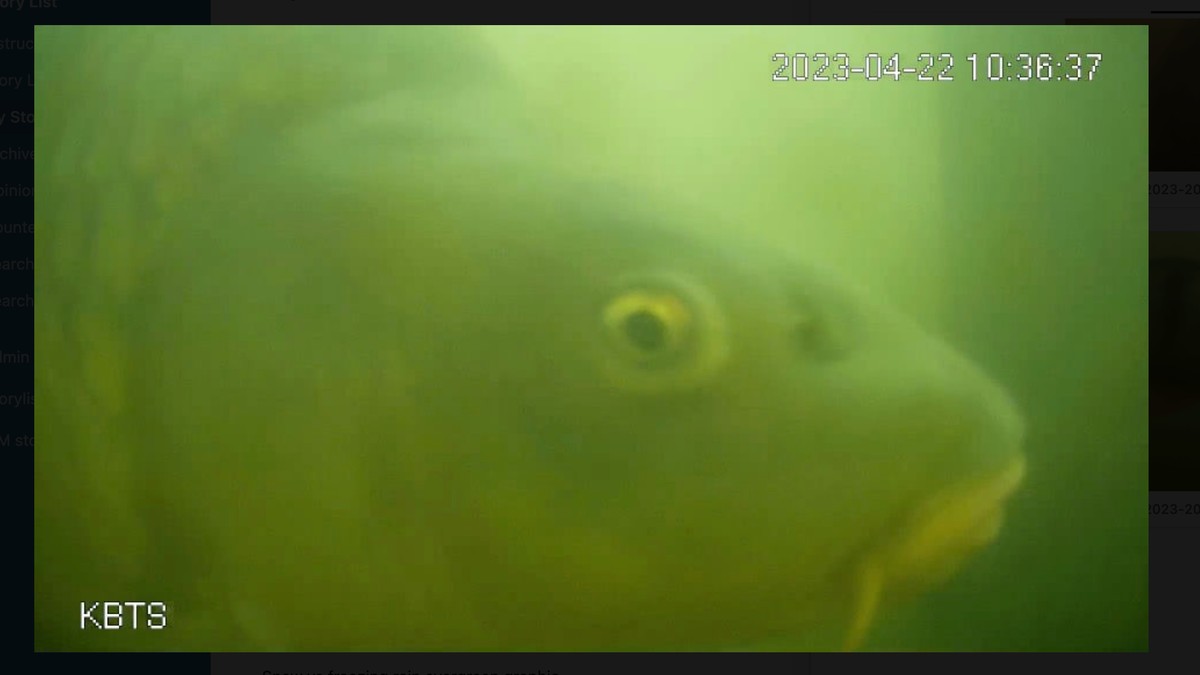
Ecologists Anne Nijs and Mark van Heukelum devised the Fish Doorbell in 2021. They installed an underwater camera and created a website where volunteers can monitor the live feed. When a fish appears ready to pass through the lock, viewers simply “ring the doorbell,” alerting operators to open the gates.
The project has grown beyond expectations. Initially, the team feared disinterest, but in 2023 alone, the site attracted over 2.3 million visitors who collectively pressed the doorbell 200,000 times, enabling thousands of fish to continue their journeys.
Beyond the Lock: A Model for Human-Wildlife Harmony
The Fish Doorbell is more than just an operational workaround; it’s a demonstration of how community science can bridge human needs and environmental concerns. The project provides a “positive feeling” for participants, many of whom find watching the fish calming.
The success in Utrecht has already inspired interest from other countries facing similar challenges, suggesting the Fish Doorbell model—or variations thereof—could become a broader solution for mitigating the impact of infrastructure on wildlife.
The Fish Doorbell’s story shows that sometimes the simplest, most collaborative solutions are the most effective. It’s a reminder that even centuries-old infrastructure can be adapted to coexist with the natural world.