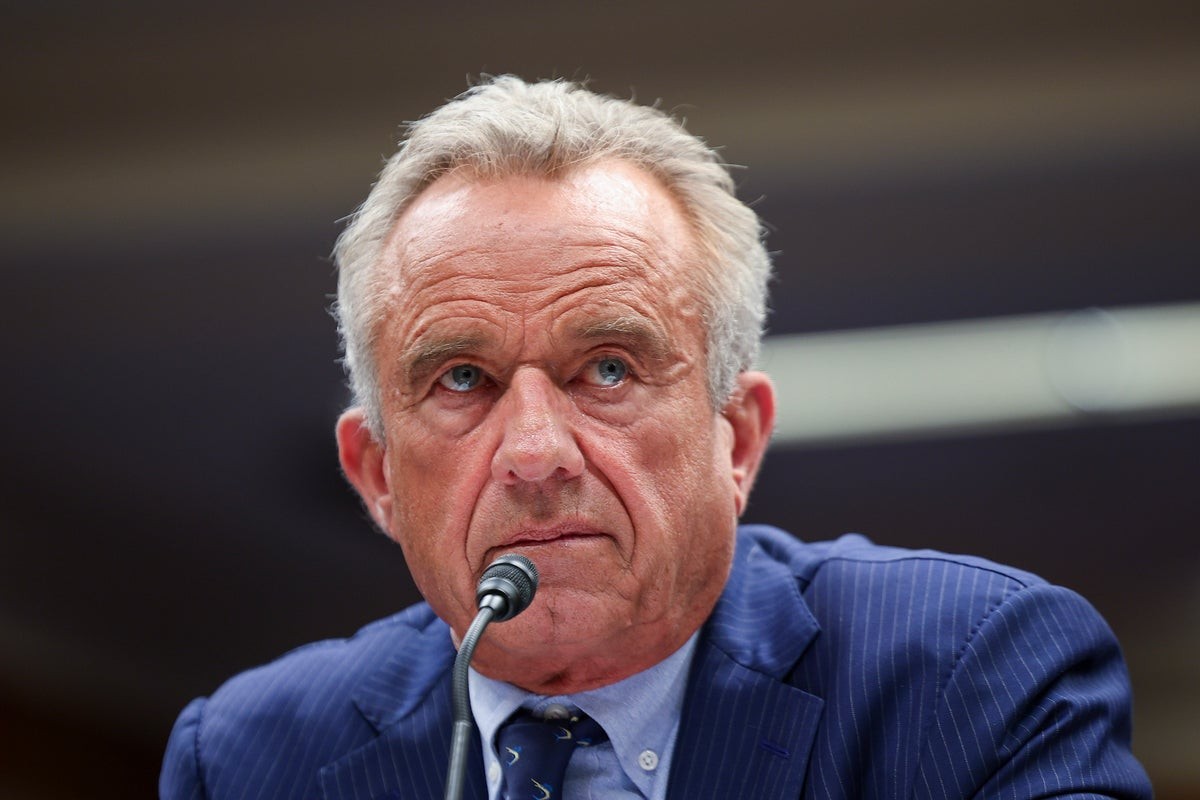
The U.S. government is considering a significant overhaul of the childhood vaccination schedule, potentially aligning it with Denmark’s less comprehensive approach. This move, spearheaded by Health and Human Services Secretary Robert F. Kennedy Jr., a known vaccine skeptic, could eliminate several routine immunizations for diseases like rotavirus, chickenpox, hepatitis A, and RSV. The plan has been temporarily delayed due to anticipated legal challenges, but the core intent remains: to reduce the number of vaccines administered to American children.
Why This Matters: A False Equivalence
The proposed changes stem from a desire to model U.S. vaccine policy after Denmark, which recommends fewer vaccines than the U.S. However, experts warn this comparison is fundamentally flawed. Denmark has a universal healthcare system ensuring broad access to care, while the U.S. system relies heavily on private insurance and leaves significant gaps in coverage. The administration’s claim of modeling other developed countries is a false equivalence: comparing apples to steaks, as epidemiologist Jessica Malaty Rivera puts it.
The Risks of Reduced Vaccination
Reducing the vaccine schedule will weaken collective immunity, increasing the risk of preventable diseases. RSV alone hospitalizes tens of thousands of American children annually. Newly approved vaccines for RSV and other diseases are highly effective, but their removal would leave more children vulnerable. The argument that some vaccines are “newer” and therefore less proven is misleading; many have decades of data supporting their efficacy.
Systemic Consequences Beyond Personal Choice
The shift won’t just impact individual access to vaccines; it will alter coverage by insurers and federal programs like the Vaccines for Children program. This means reduced vaccination will not merely be a matter of personal choice but of systemic barriers. Jennifer Nuzzo, an epidemiologist at Brown University, highlights that the changes will make it harder for people to opt in rather than just allowing them to opt out.
Fragmentation of Public Health
If implemented, these changes will create a fragmented public health system where access to vaccines becomes uneven. While individual doctors and states may attempt to fill the gaps, many will inevitably fall through, leaving vulnerable populations at risk. The administration’s approach ignores the reality that not everyone has the resources to navigate a patchwork system.
“We have to make public health recommendations that work for all… I’m worried about people who just won’t get the lifesaving protection that they need.” – Jennifer Nuzzo, Brown University Pandemic Center
In conclusion, the proposed U.S. vaccine policy shift represents a dangerous abandonment of evidence-based public health measures. By prioritizing a flawed comparison to Denmark’s system, the administration risks undermining decades of progress in preventing childhood diseases and exacerbating existing healthcare inequities.