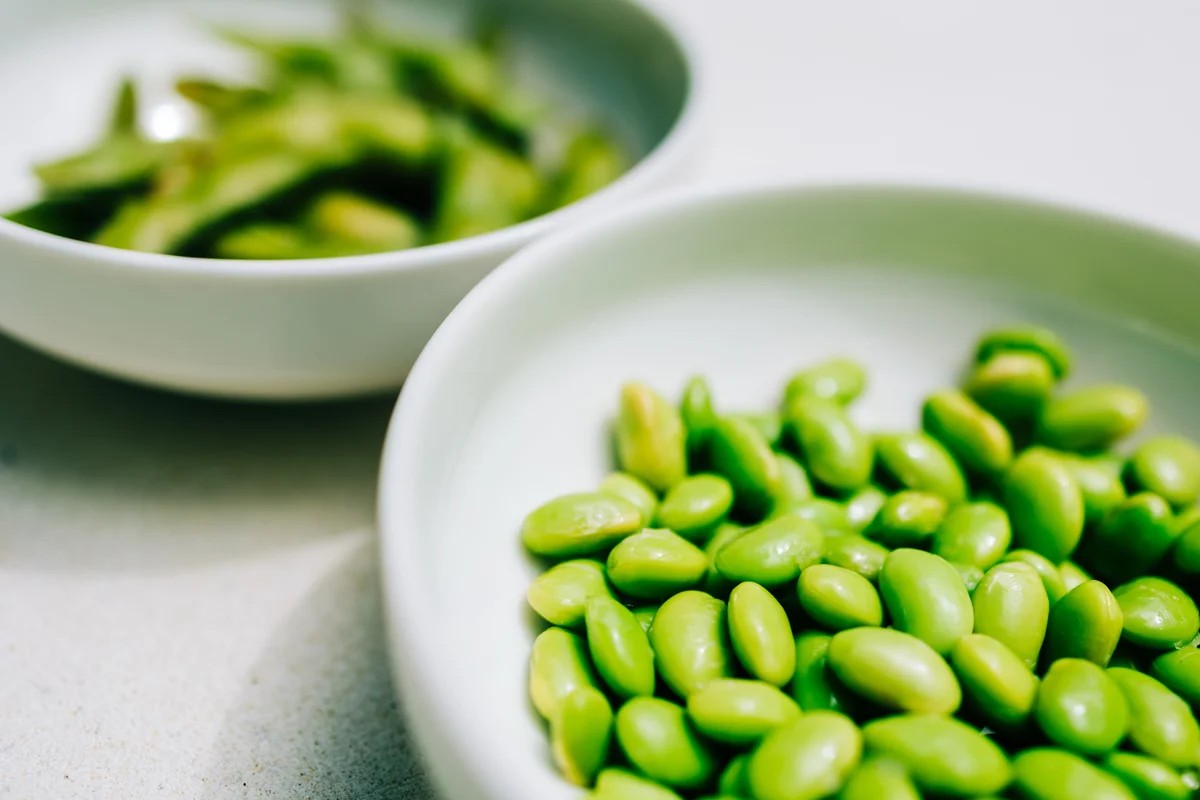
The American Heart Association (AHA) has reaffirmed its long-standing dietary advice: prioritize plant-based protein sources over meat and moderate alcohol consumption for optimal cardiovascular health. This guidance stands in direct contrast to recent revisions of the U.S. food pyramid, championed by Health and Human Services Secretary Robert F. Kennedy, Jr., which advocate for increased intake of red meat and whole milk.
The Science Behind the Recommendation
Decades of research link high saturated fat diets – common in red meat and full-fat dairy – to increased risks of heart disease and related health complications. The AHA’s latest recommendations, published in Circulation, emphasize nine key factors for reducing cardiovascular risk. These include adjusting calorie intake based on activity level, consuming abundant fruits and vegetables, choosing whole grains over refined carbohydrates, and prioritizing unsaturated fats over saturated ones.
The core message is simple: shifting towards plant-based proteins, seafood, and low-fat dairy can significantly improve heart health. Avoiding ultraprocessed foods, limiting added sugar, reducing salt intake, and moderating alcohol consumption are also crucial.
A Sharp Divide in Dietary Advice
The AHA’s guidelines largely mirror its 2021 recommendations, with updates reflecting strengthening scientific evidence. However, the revised food pyramid proposed by Kennedy Jr.’s department represents a notable departure from established nutritional advice. The new pyramid suggests higher protein, more meat, more full-fat dairy, and increased intake of saturated fats like butter and beef tallow.
“The focus on protein [in the new food pyramid] is a euphemism for meat and red meat at that,” says Marion Nestle, a professor of food and nutrition studies at New York University. “The AHA wants people to understand that plant sources of protein are healthier.”
Collaborative Efforts Despite Disagreement
Despite the divergent approaches, HHS spokesperson Andrew Nixon acknowledges alignment on core principles: “Eat real food, avoid highly processed food, and limit refined grains and added sugar.” The department expresses willingness to work with the AHA to promote these principles and address the growing epidemic of diet-related chronic diseases.
The AHA’s continued emphasis on unsaturated fats – from nuts, seeds, and avocados – further distances its guidance from Kennedy Jr.’s promotion of beef tallow as a healthy fat source, a claim refuted by most nutrition experts.
In essence, the debate highlights a fundamental clash between established scientific consensus and emerging government recommendations regarding optimal dietary practices. The AHA’s position remains firmly rooted in evidence-based nutrition, advocating for a plant-forward approach to long-term heart health.