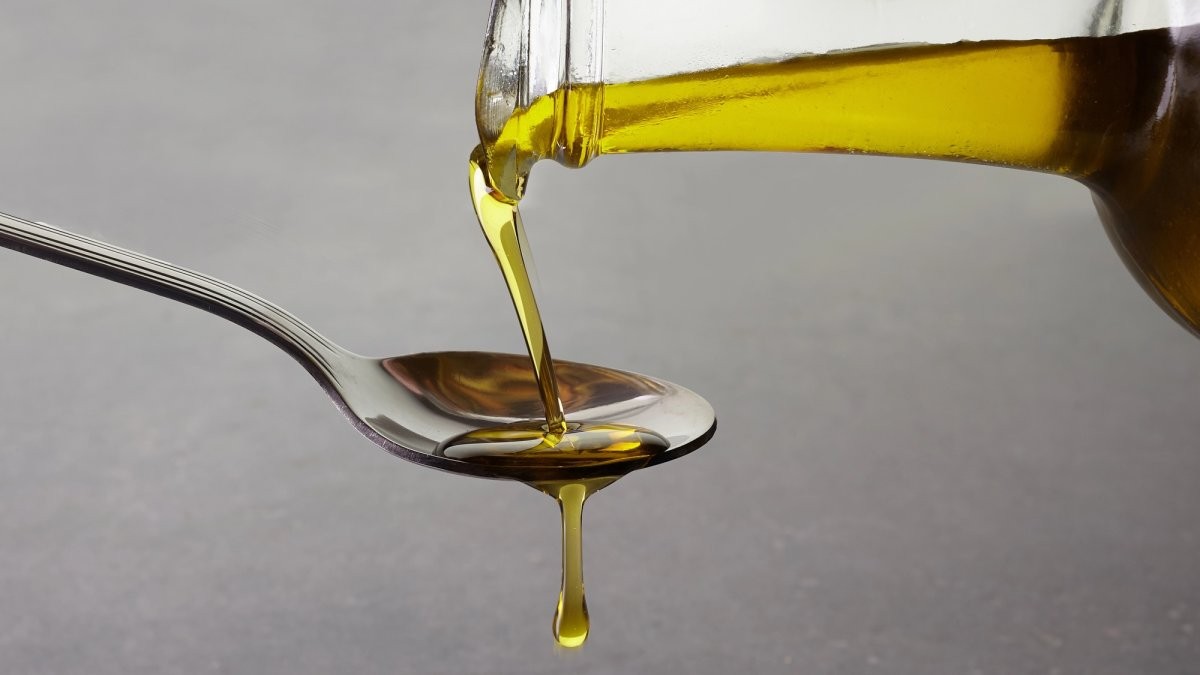
Physicists at Brown University have applied complex fluid dynamics to a surprisingly relatable problem: why the last drops of liquids take so long to empty from containers. The research, published in Physics of Fluids, uses the well-established Navier-Stokes equations to predict exactly how long it takes for fluids of varying viscosities to drain under gravity.
The Science of Patience
The study was born out of everyday frustration. Researchers Jay Tang and Thomas Dutta, while working on separate projects involving fluid behavior (Tang on bacterial growth in wet environments, Dutta on surface flow), noticed the persistent annoyance of waiting for viscous liquids to empty. Dutta recalled his grandmother’s insistence on getting every last drop, while Tang faced the same issue cleaning his cast iron wok.
The key lies in the viscous regime of fluid dynamics—how internal friction affects liquid movement. The team used the Navier-Stokes equations to model this, then tested their predictions by pouring liquids like water, milk, butter, and olive oil onto a 45-degree tilted plate, measuring drainage time until 90% of the liquid had flowed off.
Results: Viscosity is Everything
The experiments confirmed the theoretical calculations: viscosity is the dominant factor. Water drained in seconds, while cold maple syrup required hours. Tang, who deliberately leaves oil on his wok to prevent rust, admitted he’s been underestimating the wait time—his ideal second tilt should occur after up to 15 minutes.
Beyond the Kitchen Sink
This isn’t just kitchen science. The same principles governing the last drop of syrup also apply to bacterial dynamics, where fluid flow dictates microbial behavior. The study provides a practical training exercise for the researchers, but also demonstrates how fundamental physics underlies even the most mundane aspects of daily life.
“This physics is everywhere in our main research… it just happens to also be the everyday fluid physics of the kitchen,” explains Tang.
The study offers a humorous reminder that even seemingly simple phenomena have complex scientific explanations. It also underscores the importance of patience, especially when dealing with particularly viscous fluids.