




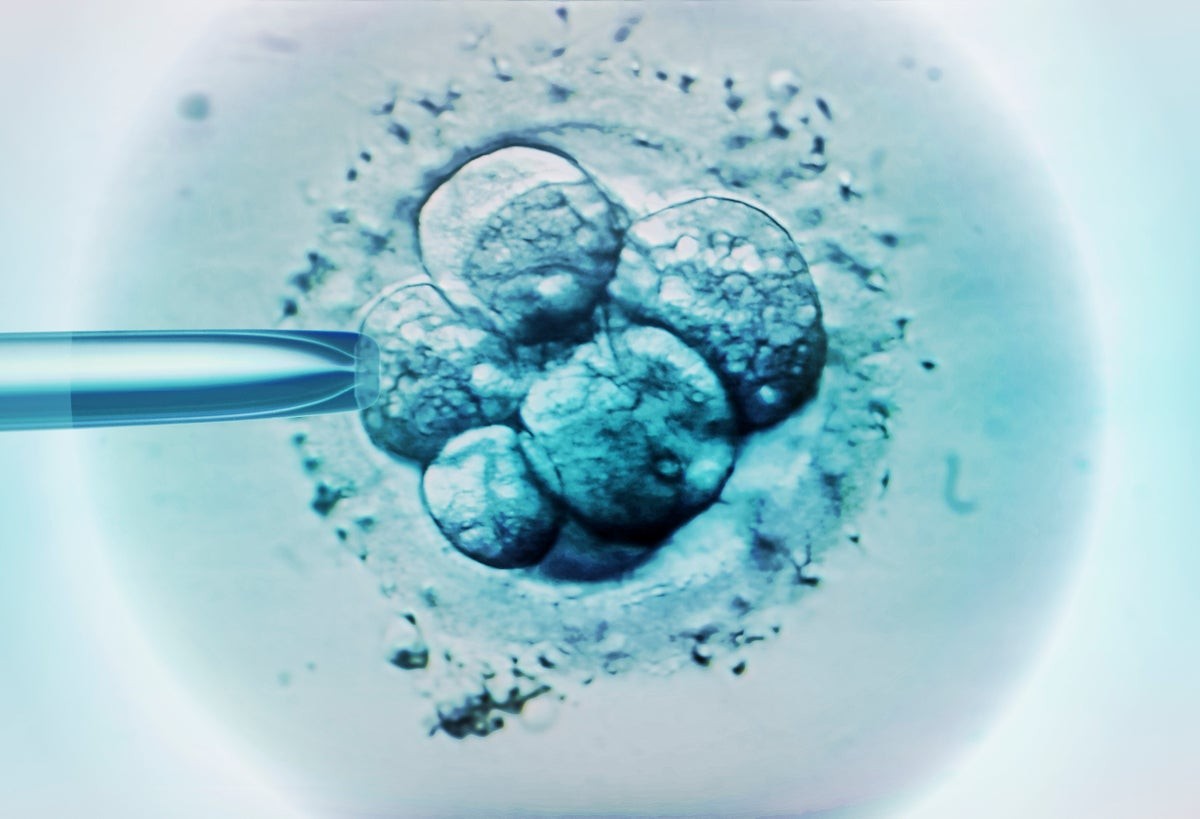
Компании, специализирующиеся на технологиях репродукции, делают всё возможное. Они крупно рискуют, полагая, что искусственный интеллект способен спасти пары, пытающиеся зачать ребенка с помощью ЭКО (экстракорпорального оплодотворения). Звучит убедительно. ЭКО уже является своего рода чудом, подарившим жизнь миллионам детей за последние четыре десятилетия. Только в США в прошлом году более 100 000 детей родились благодаря этой технологии.
Но здесь есть нюанс. Шансы на успех не так высоки. Согласно данным Центров по контролю и профилактике заболеваний США (CDC), в 2022 году около 37,5% циклов вспомогательных репродуктивных технологий (ВРТ) завершились рождением ребенка со всеми возрастными категориями. Теперь посмотрите на женщин старше сорока лет. Эта цифра резко падает — до десяти процентов или даже меньше.
Именно здесь ИИ вступает в игру со своими блестящими обещаниями. Сторонники технологии утверждают, что алгоритмы могут выявить лучший эмбрион быстрее, чем человеческий глаз. Они аргументируют, что можно предсказать, какой генетический набор приведет к рождению здорового ребенка, а какой закончится выкидышем. Некоторые эксперты, однако, пока не готовы верить этим громким заявлениям.
Этическая болотина
Ситуация быстро усложняется. Что, если ИИ начнет отбирать эмбрионы по цвету глаз? Или росту? Это скользкая дорожка в сторону евгеники, и большинство людей согласны, что здесь нужно провести четкую черту. Затем возникает вопрос конфиденциальности данных. Данные о фертильности чрезвычайно интимны.
Мина Аликани, эксперт в области репродуктивной медицины, формулирует это просто:
«Именно как и всё общество в целом борется с этим вопросом, [медицинские учреждения] должны сделать то же самое».
Мы всё ещё определяем правила игры для ИИ. Применение этих же размытых правил к человеческому воспроизводству кажется опасным.
Машины видят лучше? Или нет?
Вот статистика, которая меня удивила. В обзорном исследовании 2023 года модели ИИ соревновались с опытными эмбриологами. Кто выиграл в прогнозировании успеха беременности?
ИИ. Он достиг точности 81,5%. У людей этот показатель был скромным — 51%.
Подождите, прислушайтесь внимательнее. Этот прогноз касается именно беременности. Не обязательно живорождения. Между положительным тестом и рождением здорового новорожденного — пропасть. Но стартапы в сфере фертильности обожают такие цифры. Herasight и Cercle обучают своих ботов гормональным данным, показателям подвижности сперматозоидов и физиологическим маркерам. Цель — точно сказать, сколько яйцеклеток или эмбрионов может понадобиться для шанса на успех. Чтобы убрать элемент случайности из расчетов.
Рандомизированное исследование, проведенное в начале 2025 года, предполагает, что ИИ может быть лучше традиционных методов отбора. Или, по крайней мере, таким же эффективным. Тем не менее, Аликани предостерегает от излишнего энтузиазма. Эти системы лишь помогают. Они не заменяют специалистов. Вопрос о том, действительно ли это меняет клинические результаты существенным образом, остается открытым.
Проблема «силосов» данных
Есть причина, по которой так трудно обучить идеальный бот. Данные в беспорядке. Каждая клиника записывает информацию по-своему. В каждой стране действуют разные протоколы. Нельзя синтезировать глобальную истину из фрагментированных, хаотичных записей.
Дэвид Себл, эндокринолог из Колумбийского университета, называет это «Вавилонской башней».
Без стандартизации вы не получите прецизионную медицину. Вы получите «мусор на входе — мусор на выходе». Исследователи призывают к унифицированному подходу. Точность имеет значение. Персонализированные протоколы стимуляции и улучшенная аннотация эмбрионов могли бы помочь. Но пока мы экспериментируем с базовыми строительными блоками. Система сама по себе остается неустойчивой.
Дорого и незрело
Поговорим о стоимости. Один цикл ЭКО может стоить до 50 000 долларов. Это роскошный продукт. ИИ не снизит эту цену в ближайшее время.
Себл отмечает, что индустрия ЭКО молода. Сравните её с бактериологией, которая имеет десятилетия надежных данных и стандартов. Репродуктивные технологии всё ещё оттачивают свои собственные правила.
«Обычно это доступно лишь небольшому количеству людей».
Добавление слоев ИИ в дорогостоящую, непрозрачную отрасль создает новые риски. Утечки данных. «Галлюцинации» алгоритмов, когда ИИ выдумывает данные, которых нет. Это не просто теоретические риски; это непосредственная угроза безопасности пациентов.
Вердикт? Скученный.
Мы видели, как другие «технологические революции» в сфере фертильности не оправдывали грандиозных обещаний. Возьмем внутрицитоплазматическую инъекцию сперматозоидов с использованием тайм-лапс съемки. Звучит модно. Используются камеры для наблюдения за плаванием сперматозоидов. В исследовании 2024 года в Великобритании и Гонконге с участием почти 1600 человек рассматривался этот метод.
Результат? Частота живорождений выросла с 33% до 33,7%.
Незначительная разница. Практически нулевое влияние.
Преимплантационное генетическое тестирование (PGT-A) работает лучше для проверки хромосом. Но общая частота успешности ЭКО? Она достигает максимума в 50%. Обычно же намного ниже.
Так зачем такой push ИИ? Отчаяние. Клиники хотят поднять эти цифры. Аликани признает, что есть шанс, что мы сможем быстрее преодолеть 50%-ный барьер с помощью этих инструментов. Возможно, мы удивим сами себя.
Но взглянув на доказательства сегодня?
Алгоритмы пока не дают нам лучших результатов. Громкие обещания опережают данные. И именно в этом разрыве кроется настоящая опасность.