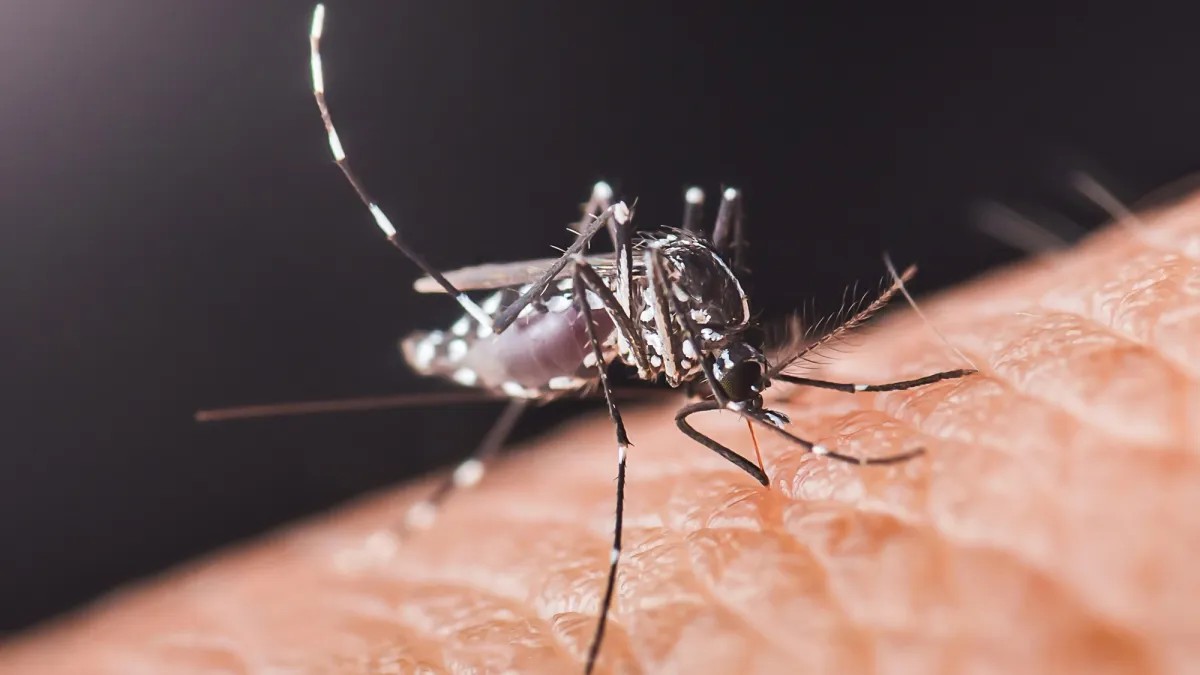
New genetic analysis reveals that mosquitoes’ preference for human blood evolved far earlier than previously thought, coinciding with the arrival of Homo erectus in Southeast Asia.
The Long History of Mosquito-Human Conflict
Mosquitoes are arguably the most dangerous animals to humans, causing over 600,000 deaths annually from diseases like malaria, West Nile virus, and dengue fever. However, not all mosquito species are equally deadly. The primary threat comes from the Anopheles leucosphyrus group, which comprises only a fraction of the roughly 3,500 known mosquito species.
Recent research published in Scientific Reports has uncovered a startling fact: the evolutionary shift towards human blood-feeding began approximately 1.8 million years ago – significantly earlier than previous estimates. This shift coincided with the migration of early hominins, including Homo erectus, into Southeast Asia.
How the Study Was Conducted
An international team of biologists analyzed the DNA of 38 mosquitoes from 11 Leucosphyrus species, collected between 1992 and 2020. Using sophisticated computer modeling, they reconstructed the insects’ evolutionary history by tracking mutation rates over time. The analysis revealed that the preference for human blood developed only once within this group, specifically in the Sundaland region (Borneo, Java, the Malay Peninsula, and Sumatra).
Before this mutation, mosquitoes fed on other primates in the area. But as Homo erectus settled into Sundaland around 1.8 million years ago, mosquitoes began to adapt, evolving genetic receptors to detect human body odor.
Challenging Existing Theories
This discovery challenges previous theories that suggested human blood-feeding only began between 509,000 and 61,000 years ago. The new genetic data pushes the timeline back by over a million years, indicating that mosquitoes had ample time to develop their deadly preference before modern humans even arrived in the region (around 76,000–63,000 years ago).
“Examining mosquito evolution can help fill in the gaps on hominin development and migration, particularly in areas like Southeast Asia that contain comparatively limited fossil records.”
Why This Matters
Understanding the evolutionary history of mosquitoes provides critical insights into human development and migration patterns. In regions with scarce fossil evidence, mosquito genetics can act as a proxy for tracing hominin movements. The study highlights that mosquitoes didn’t simply adapt to humans – they likely co-evolved alongside them. This long-standing relationship has made mosquitoes one of the most persistent and deadly threats to human health.
This research underscores the importance of studying vector-borne diseases not just from a medical perspective, but also from an evolutionary one. It shows how ancient ecological interactions continue to shape the world we live in today.