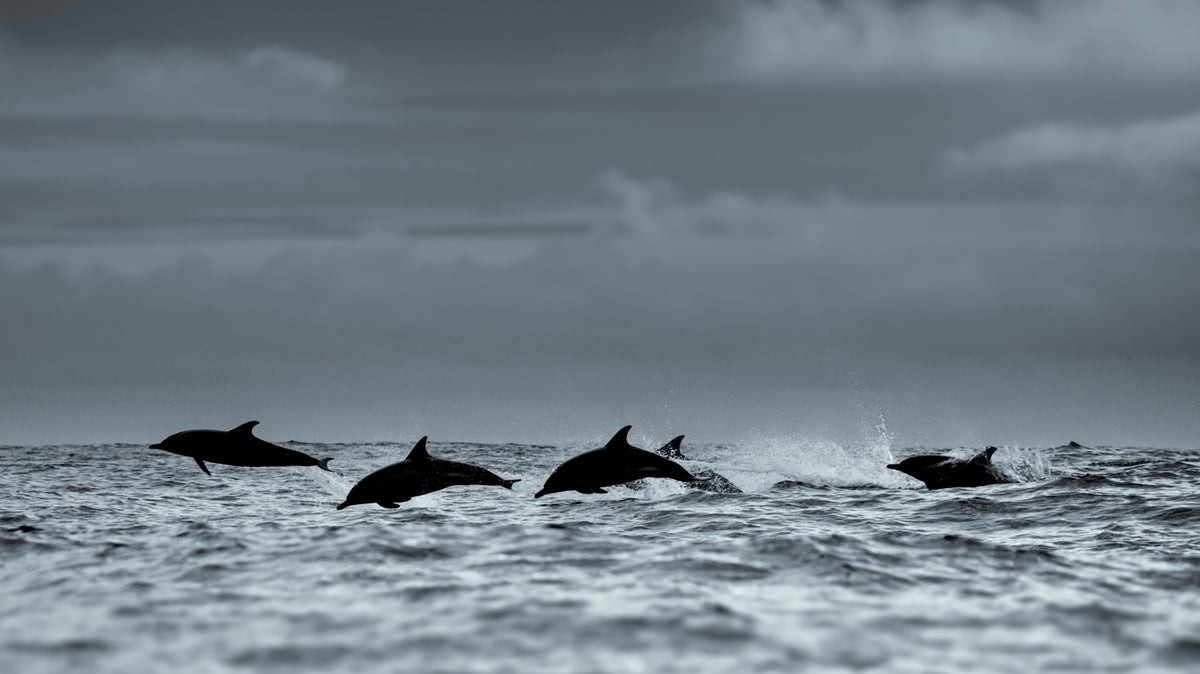
Recent research suggests a direct correlation between the presence of killer whales and unexplained mass strandings of dolphins along the Patagonian coast. For years, scientists have puzzled over instances of dozens, even hundreds, of dolphins beaching themselves in shallow waters—often appearing healthy before becoming stranded. Now, a study published in Royal Society Open Science points to a terrifying explanation: panic-induced flight from nearby orcas.
The Mystery of the Strandings
Between 2021 and 2023, Patagonia witnessed two significant events. In the first, 52 common dolphins washed ashore dead in San Antonio Bay, Argentina. The animals displayed no obvious injuries or illnesses. Later, hundreds more dolphins stranded in the same area, though none died. These events were baffling because dolphins are intelligent creatures who rarely beach themselves without a clear reason: illness, injury, or navigational error.
New Evidence: Killer Whale Predation
Researchers pieced together the puzzle using local testimonies from fishers and residents, alongside video evidence. The study revealed that in both instances, dolphins exhibited erratic behavior—unusually high cohesion, disorientation, and rapid movement toward the shore—immediately before killer whales were observed in the vicinity.
Orcas, themselves a type of dolphin, are apex predators known to hunt smaller dolphin species. The presence of these killers appears to trigger a mass exodus response in their prey, driving them into dangerous, shallow waters where they become trapped. The study notes this is the first strong evidence that predator stress can directly cause these strandings.
Implications Beyond Patagonia
The findings aren’t limited to South America. Mass dolphin strandings are a recurring phenomenon in other regions with similar coastal geographies, including New Zealand, Australia, and Massachusetts. This research suggests that killer whale predation may be a previously underestimated factor in these global events. Understanding this connection could prove crucial for future conservation efforts.
These findings underscore the hidden dangers dolphins face in the wild, where even a glimpse of a predator can trigger a fatal panic.
The study highlights how little we still know about marine mammal behavior and the complex dynamics of ocean ecosystems. It’s a stark reminder that even intelligent creatures can succumb to instinctual fear when confronted with a powerful threat.