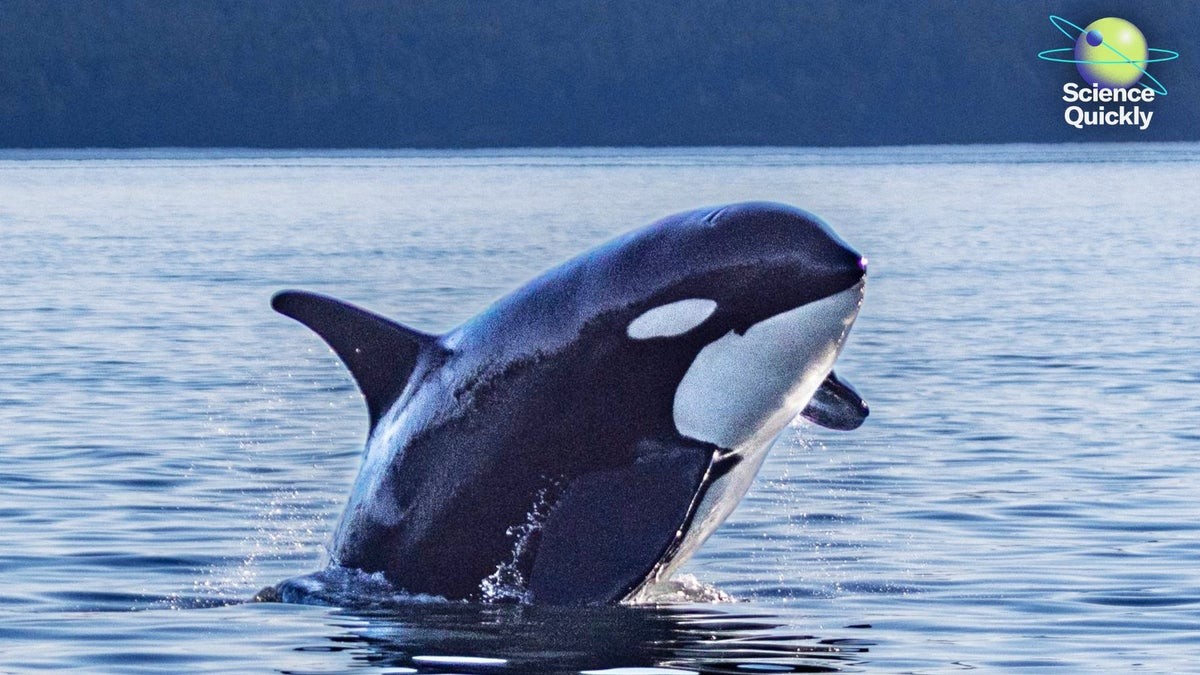
The southern resident killer whale population, a unique and culturally distinct group of orcas in the Pacific Northwest, is slipping toward extinction due to a combination of historical exploitation, ongoing habitat degradation, and political interference with conservation efforts. This once-thriving community has dwindled to just 74 individuals, raising serious concerns about their long-term survival.
Historical Trauma and Modern Threats
For generations, these orcas have faced relentless pressures. In the late 1960s and early 1970s, dozens were captured from the Salish Sea for aquarium shows, decimating the population. While this practice has largely ceased, the wounds remain. Today, the primary threats are threefold: increasing vessel noise, chemical pollution, and a severe decline in their primary food source, Chinook salmon.
The Salish Sea, a vital waterway between Seattle and Vancouver, has become one of North America’s busiest shipping lanes. The constant noise from boats interferes with the orcas’ ability to hunt and communicate. Simultaneously, industrial and agricultural runoff contaminates the water, poisoning the food chain. Most critically, Chinook salmon populations have plummeted due to dam construction, overfishing, and pollution, leaving the orcas with insufficient prey.
Unique Culture at Risk
What sets the southern residents apart is their distinct culture. Unlike other orca groups, they do not interbreed with nearby populations, maintaining a unique language, hunting techniques, and social customs. This isolation makes them particularly vulnerable; there is no genetic influx to bolster their dwindling numbers.
Research Under Fire
Adding to the crisis, scientific research aimed at understanding and protecting these whales is facing unprecedented obstacles. Researchers report that funding applications are being returned unopened, budgets are uncertain, and key personnel are leaving due to political interference. One long-time recovery coordinator even took early retirement, citing the chaos and lack of support for conservation work.
The current administration’s proposed cuts to NOAA (National Oceanic and Atmospheric Administration) threaten to dismantle decades of progress. Experts fear that without sustained funding and political will, the southern resident killer whales may disappear within a generation.
The fate of these orcas is a stark warning about the consequences of unchecked industrial expansion and political neglect. Their story underscores the urgent need for comprehensive conservation strategies, including noise reduction, pollution control, salmon habitat restoration, and stable funding for critical research. The extinction of this unique population would be a devastating loss for marine biodiversity and a testament to humanity’s failure to protect the natural world.