Humans, despite their complexity, exhibit surprisingly consistent preferences for animal sounds similar to those of the animals themselves. A new study published in Science reveals a broad overlap in acoustic tastes between humans and other species, suggesting shared evolutionary roots in sensory perception.
The Instinctive Appeal of Animal Sounds
The research, conducted by scientists at the Smithsonian Tropical Research Institute (STRI) and Yale University, confirms that humans are drawn to sounds favored by animals during mating or communication. This isn’t about conscious appreciation; rather, it’s a deep-seated preference likely hardwired through shared evolutionary biology.
How the Study Worked
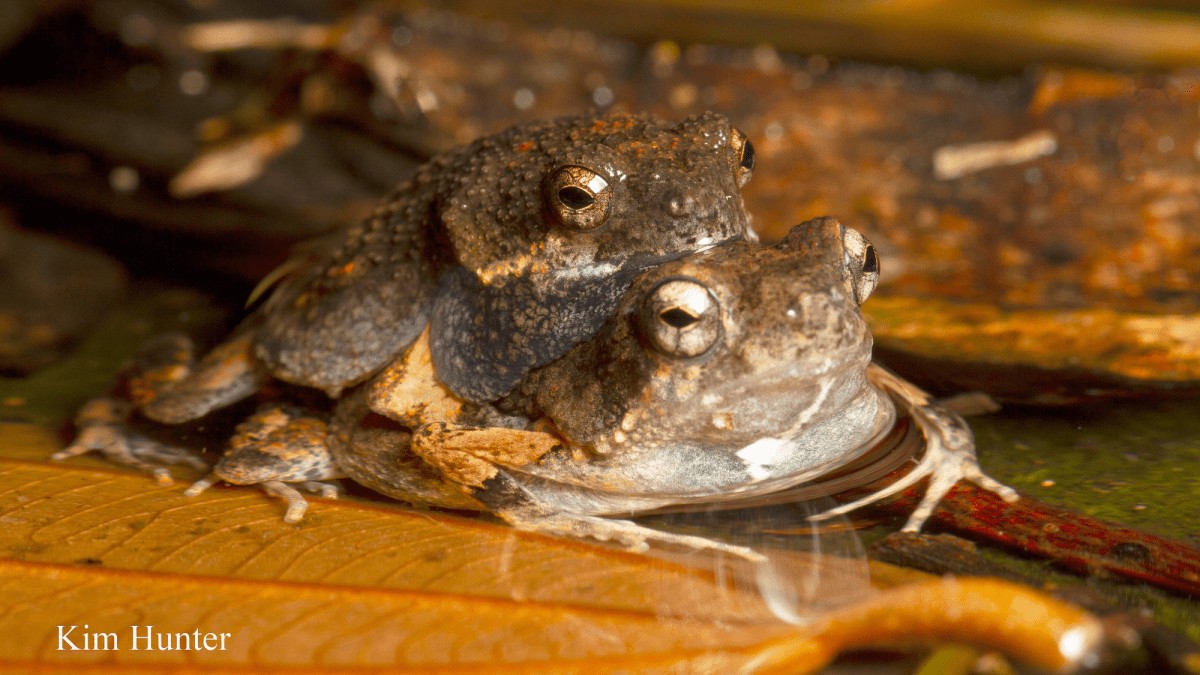
Researchers used an online computer game to test over 4,000 participants from around the world. They presented pairs of animal sounds from 16 species – including crickets, frogs, and birds – and asked humans to choose their favorite. The key was that these sounds came from animals already known to exhibit strong preferences for one sound over another. The results were clear: the stronger an animal’s preference, the more likely a human was to pick that same sound as their favorite.
Key Findings: Pitch and Complexity Matter
The study found that humans and animals alike favor lower-pitched sounds with acoustic embellishments like trills, clicks, and chucks. This is especially evident in bird songs and frog calls, where complexity often signals a healthier, more desirable mate. The preference isn’t random; humans consistently selected the “better” sound faster, mirroring animal behavior.
Why This Matters: Shared Sensory Systems
The overlap in preferences suggests that humans haven’t evolved beyond their animal instincts in some fundamental ways. As Darwin observed, animals appear to have a “taste for the beautiful” that aligns with our own. This isn’t just about attraction; it’s about shared sensory systems shaped by millions of years of evolution. The fact that humans respond instinctively to animal signals highlights the deep connections between all life forms.
“We show that Darwin’s observation seems to be true in a general sense, probably due to the many sensory system properties we share with other animals.” – Michael J. Ryan, STRI staff scientist.
This study reinforces the idea that humans aren’t separate from the animal kingdom but are deeply embedded within it. Our preferences, even those we perceive as sophisticated, often echo the same biological drives that govern other species.