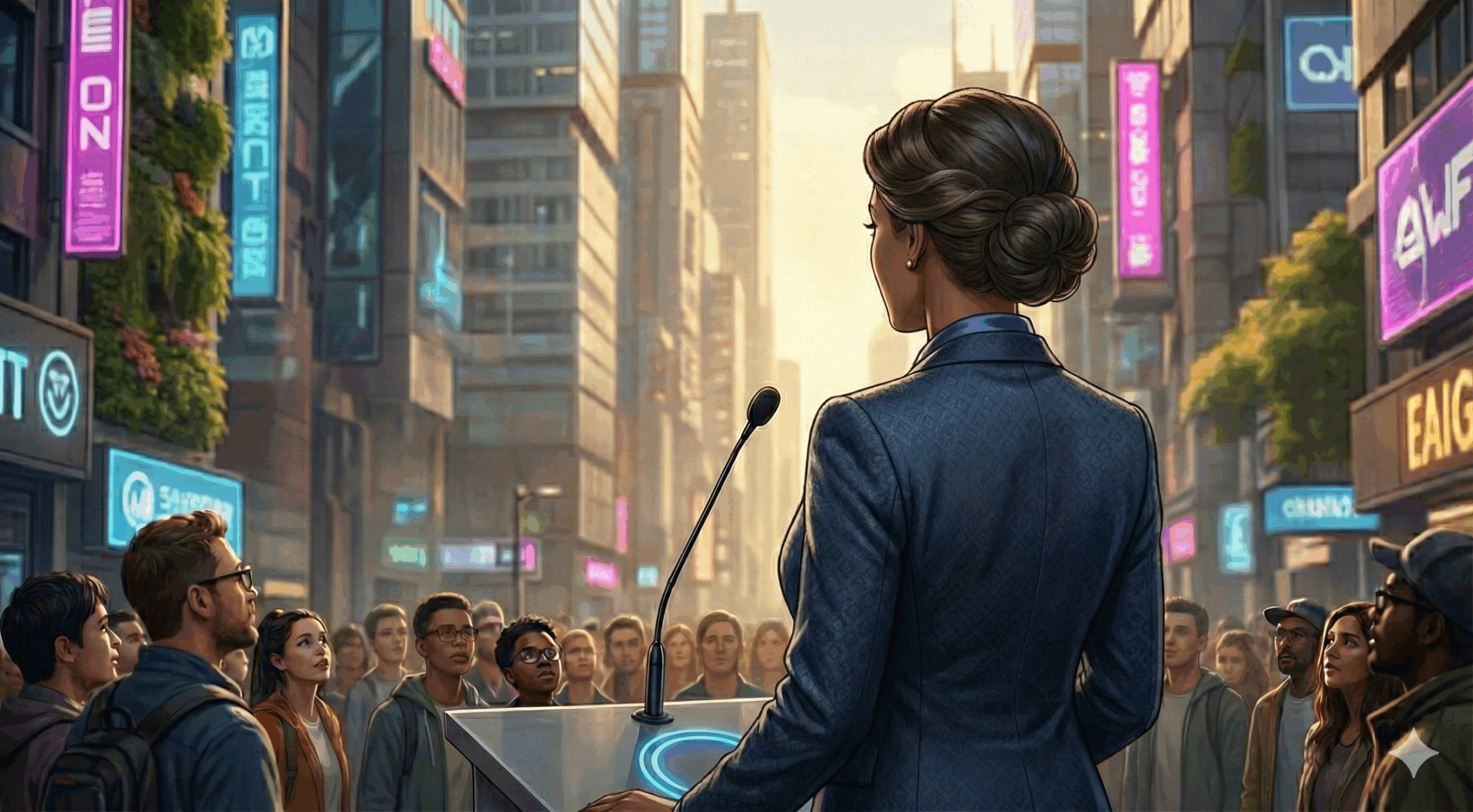
This address outlines a vision for a city transformed into a thriving “Learning Ecosystem” by 2040. The core idea is shifting from scarcity-based competition to an abundance mindset, where every person is seen as a learner and every space as a classroom. This isn’t just about education; it’s about re-imagining how communities function, how work is structured, and how value is created.
The End of Scarcity
For too long, systems have been designed around limited resources, forcing individuals to compete for opportunity. The traditional model of schools, businesses, and neighborhoods vying for dominance creates a zero-sum game where one person’s gain often comes at another’s expense. This approach leaves many sidelined – young people without clear pathways, elders with outdated skills, and countless individuals waiting for their chance.
This is changing. The city will no longer be defined by what’s limited, but by what’s possible when every person is empowered to learn, grow, and contribute.
A Living Example: The Learner of Tomorrow
Marisol, a young resident, exemplifies this new reality. She spends her days apprenticing with a solar energy company, her afternoons mentoring younger children in art, and her evenings learning coding. She isn’t just accumulating credits; she’s actively shaping the city’s future.
Marisol’s success is not an isolated case. It’s proof that when young people are trusted, connected, and supported, they can thrive, demonstrating the power of an abundance mindset.
Three Pillars of the Learning Ecosystem
To make this vision a reality, the city will be built on three key foundations: Innovation, Efficacy & Trust, and Agentic Pathways.
Innovation: Breaking Down Barriers
The goal is to remove obstacles that prevent new learning models from flourishing. This includes public systems that welcome all learners, flexible learning hubs in homes and community spaces, apprenticeships in local businesses, and cultural institutions (museums, theaters, libraries) transformed into co-creation spaces.
Technology, particularly AI, will not replace human connection but empower educators to build relationships, guide reflection, and nurture imagination.
Efficacy & Trust: Beyond Traditional Metrics
Traditional measures of success – duration and test scores – are insufficient. The city will adopt “Learner Employment Records,” transparent and verifiable digital portfolios that capture the full spectrum of skills and knowledge acquired through formal education, work experience, and community involvement. These records will provide learners (from teenagers to seniors) with the proof they need to pursue their goals.
Agentic Pathways: Lifelong Learning by Design
Every citizen will have the freedom to design their own learning journey. The city will facilitate access to classes, internships, apprenticeships, and projects aligned with individual interests. Lifelong learning will become a lived reality, with employers funding upskilling, public support for retraining, and opportunities available at every stage of life.
Addressing Future Challenges
The future of work is uncertain. Robotics and AI are reshaping the labor market, but the city will respond by creating new pathways for citizens to find meaningful work.
This requires a shift in mindset: progress shouldn’t come at the expense of people or the planet. Instead, investments must be regenerative, ensuring clean air, safe water, and thriving neighborhoods.
The city must also prioritize human connection. In an age of technology, re-emphasizing relationships, imagination, courage, and love is essential. This means strengthening social infrastructure, connecting schools to communities, employers to learners, mentors to youth, and families to one another.
A Collective Effort
This vision cannot be achieved without the active participation of every citizen. Town hall meetings, community gatherings, block parties, and shared spaces will be vital for building trust and fostering collaboration.
The city will think seven generations ahead, ensuring that future generations thank us for our efforts and past generations know their struggles were not in vain.
Ultimately, this is about building a city that works for learners – a city that works for everyone. By embracing abundance, empowering young leaders, and prioritizing lifelong learning, the city will show the world what’s possible when every person counts and every dream can grow.