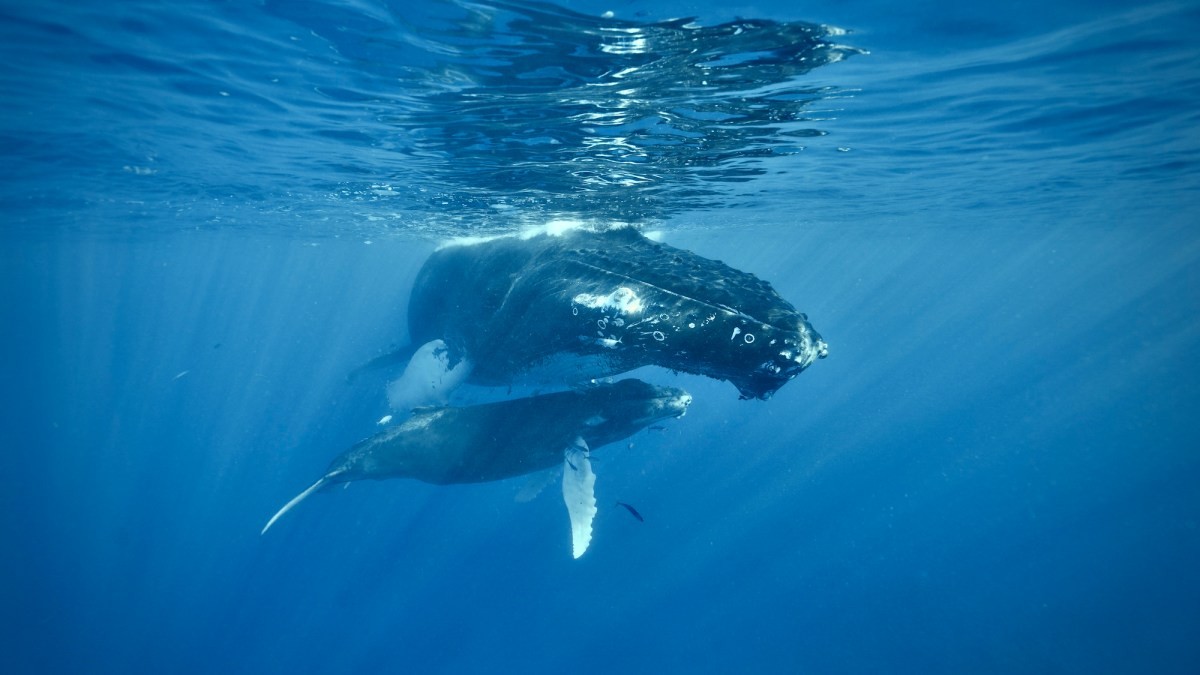
A recent scientific expedition in the Caribbean has revealed the staggering scale of humpback whale populations, with researchers documenting 513 individual sightings in a single day. The event took place at Navidad Bank, a shallow coral formation located approximately 62 miles off the coast of the Dominican Republic, highlighting its status as one of the most densely populated breeding sanctuaries in the world.
A Conservation Success Story
The sheer density of whales observed at Navidad Bank serves as a powerful indicator of how effective international protections can be. The humpback whale (Megaptera novaeangliae ) is often cited as a premier example of successful wildlife recovery:
- Pre-1986: Before the global ban on commercial whaling, populations were estimated at just 10,000 individuals.
- Today: Current estimates suggest more than 135,000 humpback whales inhabit the world’s oceans.
This resurgence is attributed to a combination of strict environmental stewardship and the innate adaptability of the species. According to Jonathan Delance, Chief Conservation Officer for the Dominican Republic Ministry of Environment and Natural Resources, these numbers underscore the critical necessity of maintaining protected marine sanctuaries.
Understanding the Migration Cycle
Humpback whales follow a rigorous seasonal rhythm driven by survival and reproduction. Their life cycle generally follows this pattern:
- Feeding: During much of the year, whales inhabit colder, polar waters to feast on abundant krill.
- Migration: As ocean temperatures shift, they migrate toward warmer tropical waters, such as the Caribbean, to breed.
- Nursery Period: Females undergo an 11.5-month gestation period, typically giving birth to a single calf. These calves remain with their mothers for approximately one year before beginning their independent lives.
Notably, the recent surge in sightings occurred well before the typical peak migration period, which usually spans March and April. This early arrival suggests a highly active and thriving population utilizing the Navidad Bank nursery ahead of schedule.
The Role of Citizen Science and Research
The expedition was a collaborative effort involving several key organizations, including Fundación Puntacana, FUNDEMAR, the Dominican Republic government, and the Caribbean Cetacean Society. Utilizing the research vessel M/Y Solace, scientists were able to capture high-quality footage and data that provide a rare glimpse into the North Atlantic humpback’s winter nursery.
The findings from this mission are slated for presentation to the International Whaling Commission. The goal is to use this data to further solidify the legal and environmental protections for Navidad Bank, ensuring it remains a safe haven for future generations of whales.
This extraordinary density of life is a testament to decades of marine conservation, proving that when we protect habitats, nature responds with remarkable resilience.
The massive gathering at Navidad Bank reinforces the vital importance of marine sanctuaries in supporting the recovery and migration patterns of the world’s largest marine mammals.