New research reveals a previously underestimated factor in the spread of microplastics: the formation of microbubbles on plastic surfaces, which actively breaks down materials and releases particles into the environment. This finding builds on existing knowledge of plastic degradation through sunlight and physical weathering, highlighting water contact as another critical mechanism for pollution.
The Role of Microbubbles
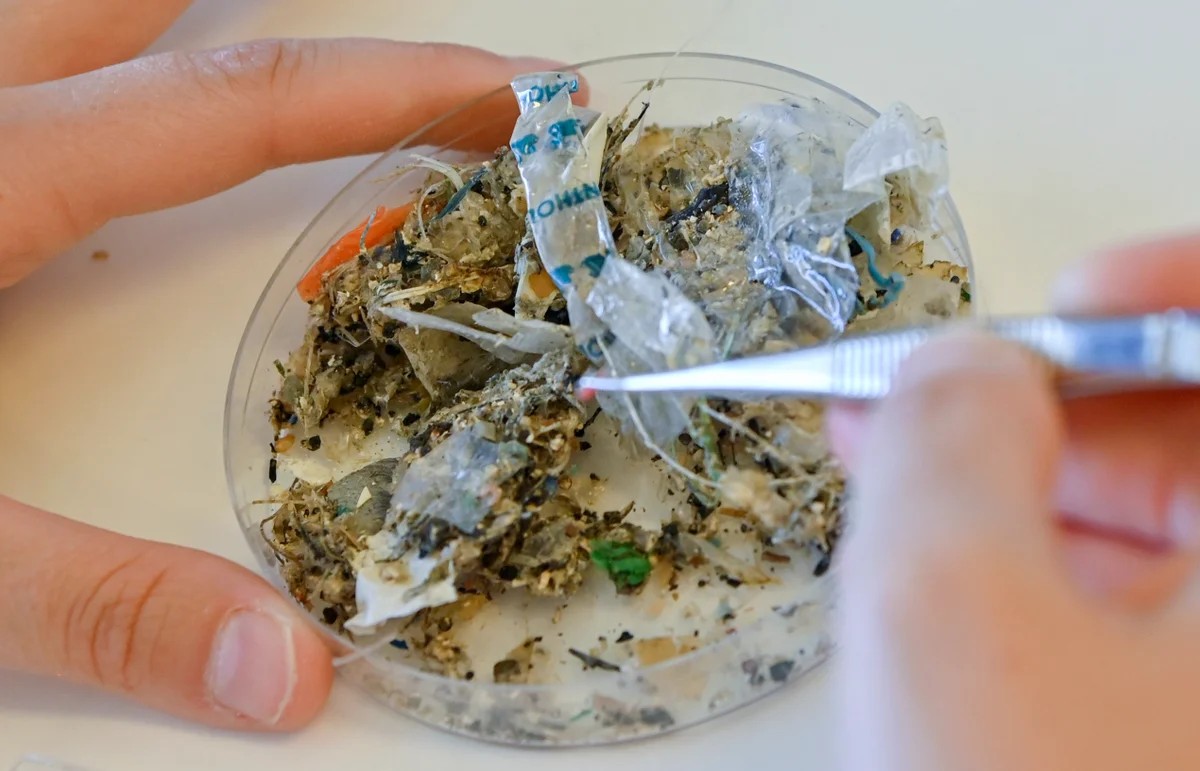
Scientists have long observed the pervasive presence of microplastics in ecosystems and even within human bodies, linking exposure to health problems such as cardiovascular disease, respiratory issues, and reproductive complications. The latest study, published in Science Advances, demonstrates that microbubbles forming on plastic surfaces contribute to their fragmentation. These bubbles effectively accelerate the breakdown of plastics in both marine and freshwater environments, releasing microscopic particles that are nearly invisible but readily ingested by wildlife and humans.
Scale of the Problem
The study supports broader concerns about the escalating plastic waste crisis. An estimated 130 million metric tons of plastic enter the environment annually, with projections indicating this figure could surpass 260 million metric tons by 2040. Once released, these microplastics enter the food chain, accumulating in organisms and eventually reaching human consumers.
Why This Matters
The discovery of microbubble-driven fragmentation underscores the complexity of plastic pollution. It reinforces the need for more effective waste management, material innovation, and stricter regulations on plastic production. The fact that water itself contributes to plastic breakdown suggests that even seemingly pristine aquatic environments are actively involved in the cycle of contamination, making complete elimination of microplastics a daunting challenge.
The study’s findings highlight the urgent need to address plastic pollution at its source, given that the problem is not only widespread but also self-perpetuating through natural processes.