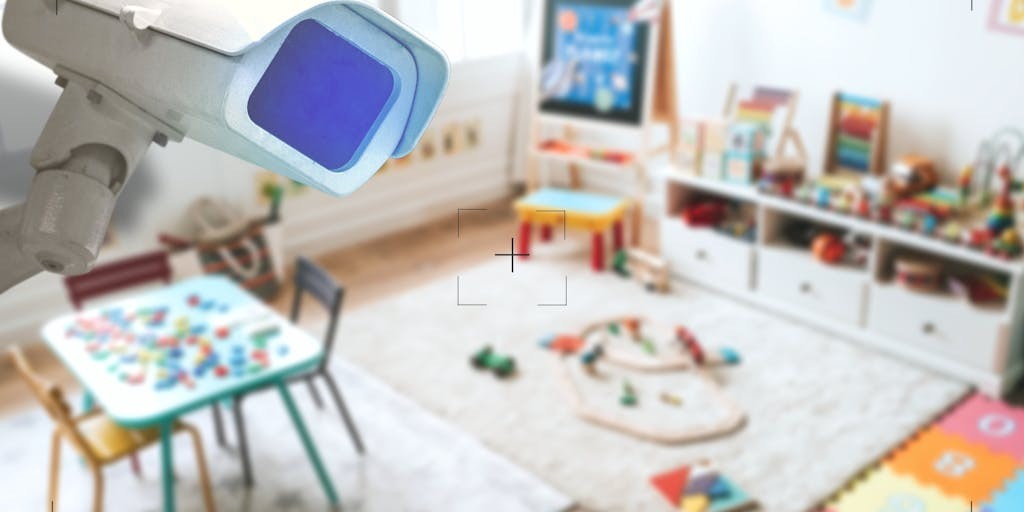
A growing number of U.S. states are debating a controversial technological shift in the classroom: the installation of video surveillance cameras in special education settings. While proponents argue these devices provide essential oversight and protection, critics warn they may infringe on privacy and serve as a superficial fix for deeper systemic issues in the education system.
The Legislative Push for Oversight
Legislators in Florida, Iowa, Maryland, South Carolina, and Tennessee have recently introduced bills proposing video surveillance in “self-contained” special education classrooms—rooms specifically designated for students with high-level needs.
This movement follows a decade-long trend in states like Louisiana, West Virginia, Georgia, and Alabama, where similar laws were passed to curb physical misconduct. The primary driver behind these mandates is the prevention of:
– Physical restraints used on students with behavioral challenges.
– The use of seclusion rooms.
– Instances of physical violence by staff.
The impetus for these laws often stems from high-stress incidents where educators feel overwhelmed or ill-equipped to manage behavioral crises. As technology becomes more affordable and accessible, the debate over its role in the classroom has shifted from banning cellphones to implementing constant monitoring.
The Divide: Protection vs. Privacy
The debate has created a sharp divide among parents, educators, and disability advocates.
The Case for Cameras: “An Eyewitness in the Room”
For many parents of children with special needs, cameras offer a sense of security and transparency.
– Accountability: Supporters argue that cameras act as an unbiased witness, ensuring that neither students nor teachers can misrepresent what occurred during an incident.
– Empowerment: In Florida’s Broward County School District, a pilot program allowed parents to request cameras. Following positive feedback, the district made the program permanent, installing cameras in 80 classrooms.
The Case Against Cameras: Privacy and “Othering”
Conversely, many advocates express significant concerns regarding the long-term implications of constant surveillance.
– Privacy Risks: There are ongoing questions about how footage is stored and who has access to it. While most states reference the Family Educational Rights and Privacy Act (FERPA) to protect student data, the tension between accountability and privacy remains unresolved.
– Stigmatization: Groups like TASH argue that surveillance can “other” students with disabilities, creating an environment of suspicion rather than one of trust and inclusion.
– A “Red Herring”: Some experts, including Jacquelie Rodriguez of the National Center for Learning Disabilities, suggest that cameras are a distraction from the real issue: the need for better teacher training and systemic support.
A Patchwork of Regulations
Currently, there is no uniform national standard for how these cameras are used. The rules vary significantly by state:
| State | Camera Requirement |
|---|---|
| Louisiana | Mandatory in all self-contained special education classrooms. |
| West Virginia | Mandatory in all self-contained special education classrooms. |
| Tennessee | Requires a majority of parents to sign off on installation. |
| Texas | Installed only upon parental request. |
| Alabama | Required in classrooms where over 50% of students have special needs. |
| Georgia | Left to the discretion of individual schools. |
The Workforce Question
A secondary concern involves the impact on the teaching profession. With special education facing severe shortages across 45 states, some fear that constant surveillance might deter new educators from entering the field.
However, advocates argue this is a “leaky bucket” problem—a symptom of broader issues rather than a direct result of cameras. They suggest that instead of focusing on recording incidents, districts should prioritize professional de-escalation training to prevent crises before they require a camera to document them.
“What is needed instead is a systemic framework from which to approach a culture shift around issues of safety.” — TASH, disability advocacy group
Conclusion
The surge in classroom surveillance highlights a fundamental tension in special education: the urgent need for student safety and accountability versus the rights to privacy and inclusive, trust-based learning environments. Whether cameras provide genuine protection or merely document a failing system remains a central question for policymakers.