May offers a diverse menu of astronomical events, ranging from the rare “blue moon” to the fleeting appearance of a long-period comet. For skywatchers, this month provides distinct opportunities to observe lunar cycles, meteor showers, and unique solar alignments, provided you know where and when to look.
Lunar Events: Flower Moon and Blue Micromoon
The month begins with the Flower Moon, a traditional name attributed to North American Indigenous cultures, such as the Algonquin and Dakota peoples. The name reflects the blooming flora that signals the end of winter’s grip. This full moon reaches peak illumination at 1:23 p.m. EDT on May 1.
The month concludes with a rarer occurrence: a blue moon. Contrary to popular myth, the moon will not appear blue. The term “blue moon” refers to the second full moon within a single calendar month, an event that happens roughly every two and a half years. This specific blue moon is also a micromoon, appearing slightly smaller than usual because it occurs when the moon is near its apogee (farthest point from Earth). It will peak at 4:45 a.m. EDT on May 31.
Note: While a blue moon is uncommon, a month without any full moon is possible—but only in February, due to its shorter duration.
Comet C/2025 R3: A Final Glance
Comet C/2025 R3 offers a brief window for observation, but visibility depends heavily on your location.
- Northern Hemisphere: Viewing will be difficult. The combination of the nearly full moon’s glare and the comet’s proximity to the sun makes it nearly impossible to spot before it dips below the horizon.
- Southern Hemisphere: Observers have a better chance, though the comet’s brightness is fading. You will need binoculars or a small telescope to see it. According to tracking data, the comet will move from the constellation Eridanus through Orion toward the Red Rectangle nebula throughout May.
Why this matters: This may be the last time humanity sees this comet. While its orbital period was initially estimated at 170,000 years, recent models suggest it may be ejected from the Solar System entirely after this perihelion passage. Missing this view means missing it forever.
Eta Aquarids Meteor Shower
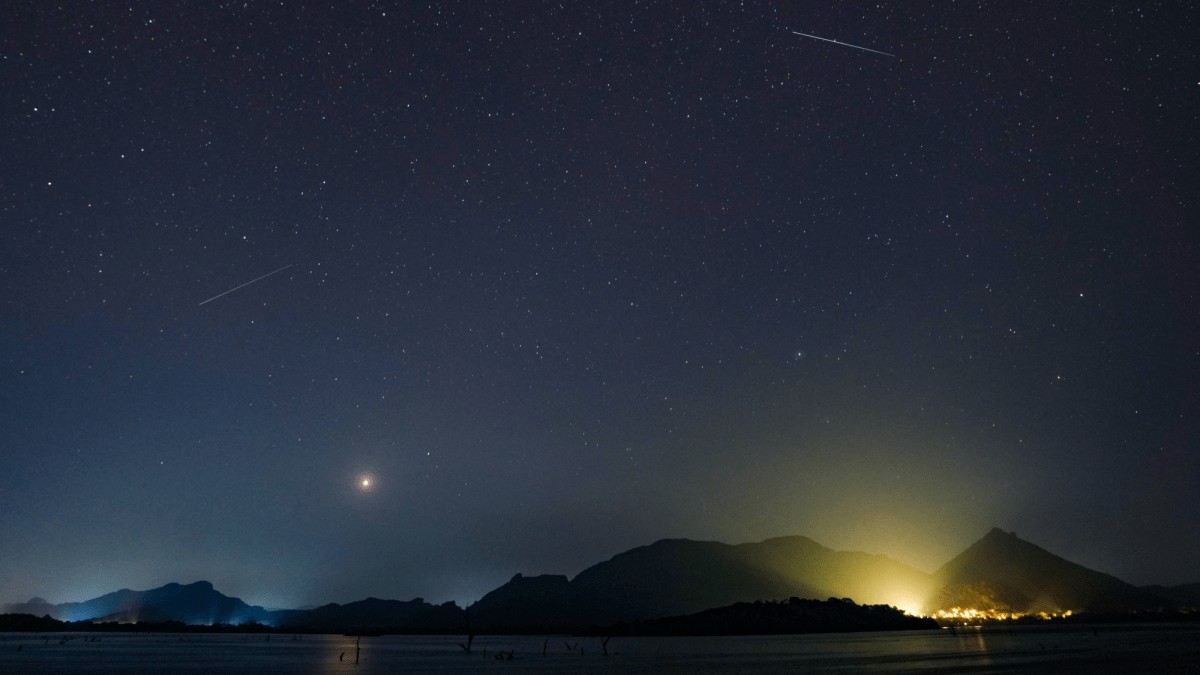
The Eta Aquarids, one of the year’s most active meteor showers, peaks on the morning of May 5. This shower is caused by debris left behind by Halley’s Comet, the same celestial body that appeared in the Bayeux Tapestry and last visited Earth in 1985.
- Visibility: The shower is visible from both hemispheres, but the Southern Hemisphere offers the best view, with up to 60 meteors per hour. Northern observers can expect about half that rate.
- Best Viewing Time: Just before dawn, as the moon sets toward the horizon, reducing light pollution.
- Where to Look: Face south toward the constellation Aquarius, the shower’s radiant point.
Lāhainā Noon: Shadowless Sun
On May 14, locations between the Tropics of Cancer and Capricorn will experience Lāhainā Noon. During this brief period at solar noon, the sun is directly overhead, causing vertical objects—such as flagpoles, telephone poles, and people—to cast no shadows.
For residents in the United States, this phenomenon is primarily observable in Hawaii, as the continental U.S. lies entirely north of the Tropic of Cancer. This event defines the tropical zone: it is the region where the sun can pass directly through the zenith at least once a year.
Tips for Successful Skywatching
To maximize your viewing experience during these events:
– Escape Light Pollution: Find a location far from city lights.
– Dark Adaptation: Allow your eyes 20–30 minutes to adjust to the darkness.
– Patience: Meteor showers and faint comets require steady observation; avoid looking directly at bright sources like phones or flashlights.
Conclusion
May’s celestial calendar offers a mix of regular lunar cycles, rare meteor activity, and a potential final sighting of a departing comet. Whether you are in the tropics watching for shadowless noons or elsewhere tracking the Eta Aquarids, clear skies and minimal light pollution remain the keys to enjoying these astronomical events.