Science rarely follows a straight line. From the grand, failed promises of space tourism to the microscopic mysteries of human inflammation, the journey toward truth is often winding, unexpected, and occasionally frustrating. This latest collection of stories from Scientific American explores these diverse paths, proving that breakthroughs can emerge from anywhere—be it a boardroom, a muddy streambed, or a luxury fragrance lab.
The Mirage of the Space Hotel
For decades, the concept of orbital hospitality has been a recurring theme in popular media and corporate ambition, yet it remains a persistent “unfulfilled promise.”
- 1952: Aerospace engineer Wernher von Braun predicted space stations for tourists within 15 years.
- 1967: Barron Hilton envisioned an orbiting hotel within his lifetime.
- Recent Decades: Various ventures, including Robert Bigelow’s inflatable habitats, aimed for functional space hotels by the mid-2010s.
Despite these bold claims and massive investments, the reality has lagged behind the rhetoric. The failure of these ventures highlights a common tension in science journalism: the thin line between visionary forecasting and premature optimism. While the technology for luxury in space remains elusive, the pursuit itself reveals much about our technological ambitions.
From Luxury Labs to Life-Saving Medicine
While space tourism remains a dream, science is making tangible strides in other high-stakes arenas. Interestingly, the pursuit of “luxury” often mirrors high-level scientific research. Manufacturers of high-end goods—such as fragrances and watches—frequently operate at the technological cutting edge, conducting research as rigorous as that found in academic laboratories.
This intersection of innovation and lifestyle provides a backdrop for deeper, more critical scientific investigations currently unfolding in the medical and natural worlds.
Unraveling Biological and Ecological Mysteries
The current scientific landscape is defined by “detective work”—investigating phenomena that defy traditional explanations.
The Hidden Culprit in Heart Disease
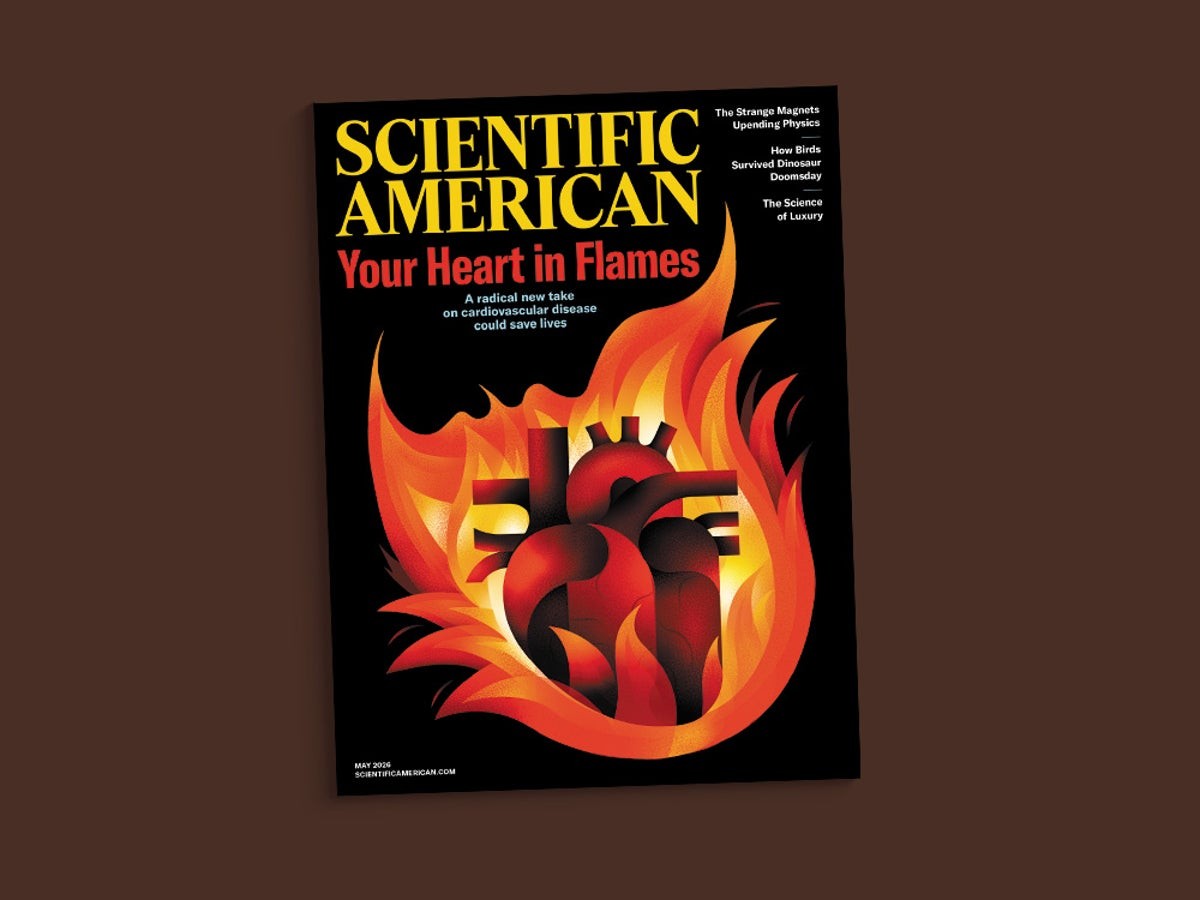
For years, medical science focused on the “fearsome foursome” of cardiovascular risk: hypertension, smoking, high LDL cholesterol, and type 2 diabetes. However, a significant portion of heart attack and stroke victims present with none of these factors.
New research suggests a different culprit: chronic inflammation. This “immune system alarm” that fails to switch off may be the key to understanding why some patients suffer devastating outcomes despite having seemingly healthy profiles. This shift in understanding could fundamentally rewrite how we prevent the world’s deadliest disease.
Survival Against the Odds: The Dinosaur Paradox
In the realm of paleontology, the question of why birds survived the Cretaceous-period asteroid impact is being revisited. Rather than a specialized biological advantage, new evidence suggests survival was a matter of sheer circumstance. It was a combination of inhabiting the right geographic locations, having access to specific food sources, and possessing growth rates that allowed them to endure a darkening sky.
The Silent Collapse of Freshwater Ecosystems
On a more urgent note, North America is facing an ecological crisis: the rapid decline of freshwater mussels. With 10% of the continent’s 300+ species already extinct, biologists are racing to find answers. Current theories suggest a complex struggle involving invasive species that may be outcompeting young mussels for resources, leading to a quiet but devastating collapse of these vital organisms.
Science is rarely a predictable march toward progress; it is a series of puzzles found in unexpected places, from corporate boardrooms to the bottom of a stream.
Conclusion
Whether investigating the failures of space travel or the biological triggers of heart disease, science thrives on its ability to confront the unknown. These diverse stories remind us that discovery is often found by looking where others have not yet thought to search.