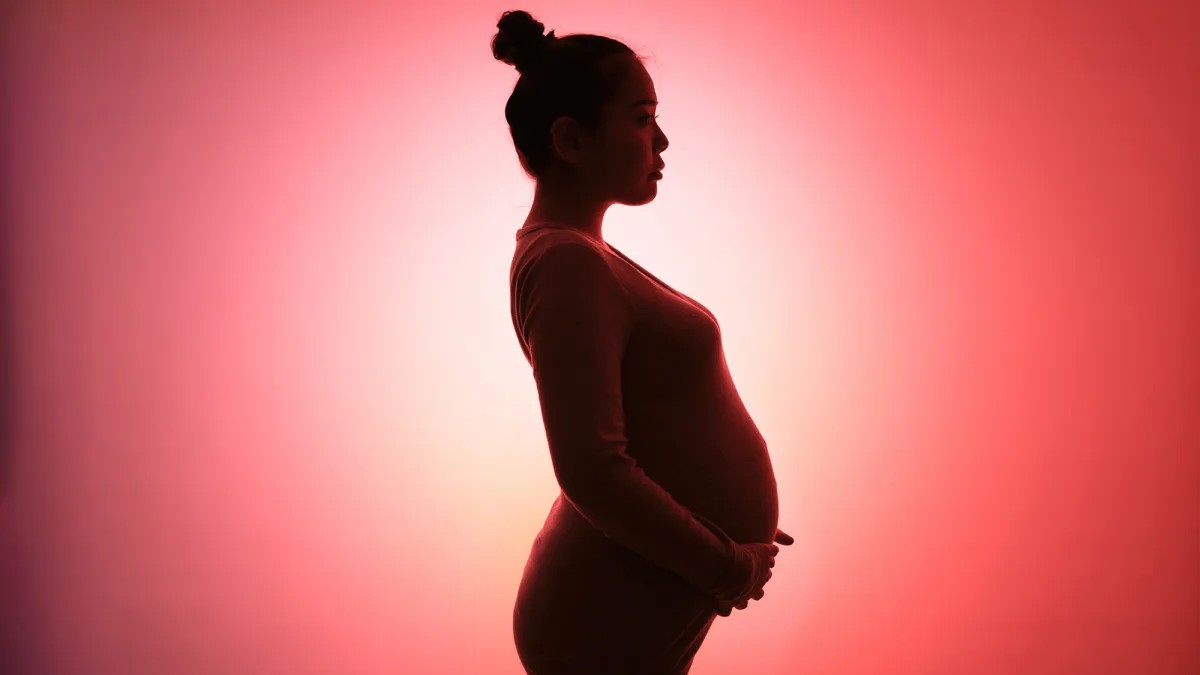
Pregnancy is a transformative experience that extends far beyond nine months. While societal images often focus on rapid postpartum “bouncing back,” the reality is that pregnancy leaves a permanent mark on the body, in ways that are both subtle and profound. These changes aren’t necessarily negative; in fact, many are adaptive responses that ensure survival and offer unexpected health benefits.
How Pregnancy Reshapes Your Body: A Biological Reality
The body undergoes significant shifts to accommodate a growing baby. Hormones like relaxin loosen joints, preparing the pelvis for childbirth, but also causing changes in foot size that may never fully revert. Some women experience permanent increases in shoe size, while others see their hands grow slightly. These skeletal adjustments, though not fully understood, are a natural consequence of hormonal adaptation.
Beyond the Bump: Long-Term Physical Impacts
Pregnancy isn’t just about temporary weight gain. It can reveal future health risks, such as cardiovascular disease, by acting as a “stress test” on the body. Complications during pregnancy—like hypertension or gestational diabetes—can be early indicators of underlying conditions that might otherwise remain undetected for decades.
The pelvic floor weakens significantly during childbirth, potentially leading to urinary incontinence or pelvic organ prolapse. While Kegel exercises can help mitigate these effects, permanent changes are common, particularly after vaginal deliveries. Similarly, abdominal muscles may separate (diastasis recti), causing chronic pain and backache if not addressed with physiotherapy.
The Unexpected Benefits: Maternal Health & Beyond
Pregnancy can also provide surprising long-term health advantages. Breastfeeding lowers the risk of ovarian cancer, with each child further reducing that risk. While pregnancy slightly elevates the risk of aggressive breast cancers, breastfeeding may help offset this.
Perhaps most remarkably, fetal-maternal microchimerism means that cells from the baby can remain in the mother’s body for decades, even residing in organs like the brain. These cells may offer protection against Alzheimer’s disease, aid in tissue repair, and even impact the immune system. In essence, mothers carry remnants of their children within them long after birth.
A New Perspective on Postpartum Recovery
The notion that women should “bounce back” immediately after pregnancy is unrealistic. The body adapts, changes, and often retains those changes permanently. Viewing these alterations as “badges of honor”—as Dr. Shazia Malik suggests—can help women embrace the lasting impact of motherhood.
These shifts aren’t failures or flaws; they are biological consequences of carrying and birthing life. Understanding these changes allows women to prepare for them, seek appropriate support, and prioritize long-term health rather than chasing unrealistic standards.
Ultimately, pregnancy is a profound biological event that leaves an indelible mark on a woman’s body. Recognizing these lasting effects is crucial for realistic expectations, informed healthcare, and a deeper appreciation for the transformative power of motherhood.