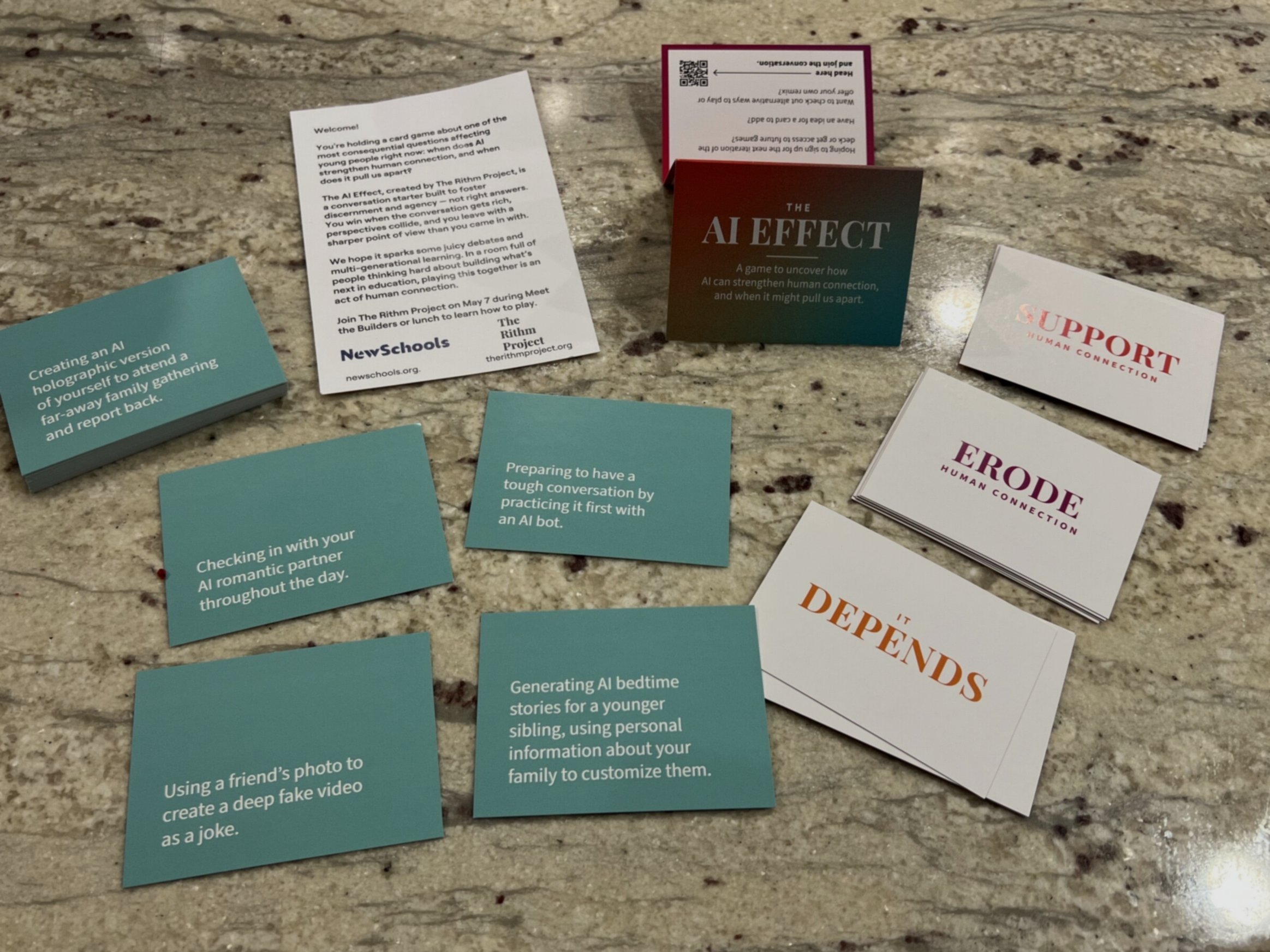
The 2026 NewSchools Summit delivered a clear and urgent mandate for the education sector: it is time to move beyond merely understanding technology and start wielding it to reclaim control over the learning experience. The dominant theme throughout the event was agency —the capacity of students, educators, and parents to effect change rather than simply endure the status quo.
This shift was not theoretical. It was demonstrated in real-time through workshops that encouraged attendees to become creators, not just consumers, of AI-driven solutions.
The Practical Power of “Vibecoding”
The summit opened with a practical demonstration of how accessible creation has become. During a pre-workshop led by aiEDU, speaker Alex Kotran compared learning AI to learning to ride a bike: balance is felt, not explained.
Attendees engaged in “vibecoding,” a process where they built functional tools—ranging from proposal generators to website developers—without traditional coding skills. The instruction was intentionally informal, encouraging participants to treat the AI as a collaborative partner sitting beside them.
Key takeaways from the session included:
* Iterative Learning: Success came through trial and error, accepting the messiness of building something new.
* Investment in Capability: Kotran famously advised attendees to cancel streaming subscriptions like Netflix to fund premium AI tools, framing this as an essential investment in personal and professional efficacy.
* AI Limitations: While powerful, AI still struggles with nuanced human needs, such as understanding the importance of sleek, clickable user experiences.
This hands-on approach underscored a critical trend: AI is no longer just a tool for summarization or drafting; it is a lever for individual agency, allowing users to build custom solutions that save time and unlock creative potential.
Redefining the Role of Educators
In breakout sessions like “Creating the Next Generation of Schools,” panelists from organizations such as Flourish Schools and Power Public Schools outlined a radical restructuring of the school day. Their shared vision relies on learner agency and curiosity as the core pillars of education.
The proposed model involves:
1. Compressing Instruction: Using AI to condense core academic instruction into just two to three hours per day.
2. Reallocating Time: Using the remaining hours for human-centered activities, such as mentorship, community partnerships, and internships.
3. Shifting Teacher Roles: Educators move from being “purveyors of knowledge” to “gardeners” who cultivate relationships, ensure every student feels seen, and facilitate hands-on experiences.
As panelist China Cardriche noted, the goal of learning is to help young people find their purpose, moving through a cycle of being, doing, learning, teaching, and service.
The Imperative of Partnership: “Build With Us”
A significant portion of the summit focused on the necessity of authentic collaboration between schools, students, and families. The message from the youth was direct and uncompromising.
Students like Azeemah Sadiq, Jasmine Bernard, and Arya Debes challenged the adults in the room to stop treating them as passive subjects. As Sadiq stated, “Build with us, not for us.” The consensus was that young people do not need to be “coached” into leadership; they require resources, trust, and the space to think freely.
This sentiment extends to families as well. The session “Beyond Voice: When Parents Shape the System” highlighted a critical communication gap:
* The Perception Gap: While 88% of parents believe their children are performing at grade level based on report cards, data shows only 30% of 8th graders actually are.
* Informed vs. Involved: Speaker Trenace Dorsey-Hollins emphasized that receiving confusing data does not constitute involvement. Parents demand a shift from passive information receipt to active co-creation of solutions.
“Informed is not involved.” — Trenace Dorsey-Hollins
A Collective Future
The true power of AI in education lies not in the technology itself, but in how it facilitates human connection and autonomy. By compressing administrative and instructional burdens, AI buys back time for what matters most: relationships, mentorship, and collaborative problem-solving.
As Frances Messano concluded, the education system must “move beyond soloists to being parts of a choir together.”
Conclusion:
The 2026 NewSchools Summit made it clear that the future of education depends on distributing agency. By leveraging AI to reclaim time and trusting students and parents as partners in the process, schools can transition from rigid institutions to dynamic, human-centered communities capable of delivering an education worthy of the next generation.