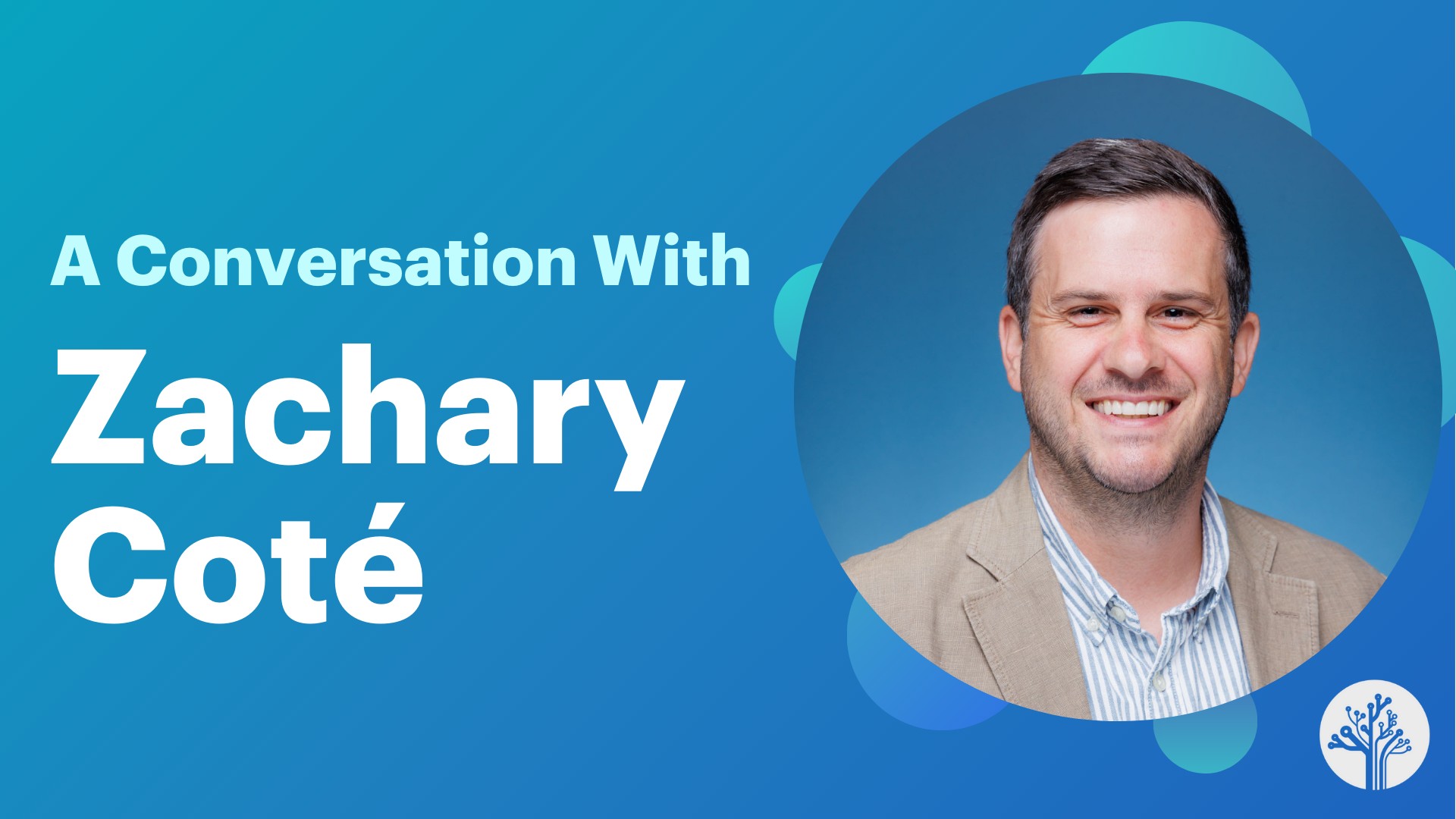
The modern civics education system often falls short, focusing on memorization instead of genuine understanding. Zachary Coté, Executive Director of Thinking Nation, argues that historical thinking – not just learning about history, but engaging with it as a discipline – is the key to forming engaged, empathetic citizens. Coté’s journey from a history teacher in Inglewood, California, to leading a nonprofit dedicated to systemic educational change reveals a powerful insight: historical thinking isn’t just about the past; it’s about equipping students with the tools to navigate the present and shape the future.
The Power of Perspective
Coté’s own experience illustrates this point. He found that studying history didn’t just provide facts, but a broader, more nuanced perspective on the world. Exposure to diverse historical experiences fostered humility and reduced reactivity, allowing him to process current events with greater thoughtfulness. This isn’t just about avoiding knee-jerk reactions, it’s about recognizing that the present is built on layers of past decisions, perspectives, and conflicts. Without understanding those layers, our engagement with current issues remains shallow.
Coté’s “Breaking Bread with the Dead” – his New Year’s resolution to read only books over 100 years old – highlights this further. He finds peace in long-form, slower-paced narratives, recognizing that the rhythms of language and thought have changed over time. This deliberate immersion in the past isn’t escapism; it’s a way to recalibrate the present.
Beyond Skills: Cultivating Dispositions
Thinking Nation doesn’t seek to simply add historical thinking to existing curricula. Instead, it aims to make it the foundation of social studies education. The goal is to shift classrooms from rewarding memorization to valuing engagement. This isn’t just about teaching “critical thinking”; it’s about cultivating specific dispositions : curiosity, empathy, and the ability to analyze information from multiple perspectives.
This approach connects directly to modern literacies like media and AI literacy. True literacy, Coté argues, isn’t just about reading or writing; it’s about approaching information with a flexible mindset. Historical thinking provides the tools to do just that. A student trained to understand historical context is better equipped to discern truth from falsehood in the digital age.
The Civic Imperative
Historical thinking isn’t merely an academic exercise; it’s a civic necessity. Coté points to the fundamental task of a historian: understanding people from different times and places. This translates directly to citizenship: the ability to understand and empathize with those who come from different backgrounds. A democracy thrives not on shared beliefs, but on the ability to navigate disagreement with respect and understanding.
This perspective extends beyond the present, too. Coté’s work encourages students to consider long-term consequences, framing historical thinking as a tool for legacy building. By understanding the past, students can more effectively shape the future, honoring both those who came before and those who will come after.
Ultimately, historical thinking is not about objectivity; it’s about recognizing the inherent subjectivity of every narrative. The goal isn’t to eliminate bias but to understand it, both in ourselves and in others. This is the foundation for a truly informed and engaged citizenry.
The shift from memorization to engagement is hard, and it requires systemic change. But by prioritizing historical thinking, educators can empower students to become not just knowledgeable citizens, but thoughtful, empathetic, and resilient participants in a complex world.