For over half a century, the Clean Air Act has been a cornerstone of public health and economic stability in the United States. By curbing harmful pollution, it has prevented millions of premature deaths, hospitalizations, and lost productivity. A 2011 assessment found that the Act’s pollution limits had yielded a net economic benefit of $2 trillion by 2020, far outweighing the $65 billion spent on implementation.
Now, the U.S. Environmental Protection Agency (EPA) is shifting its enforcement strategy, abandoning the practice of calculating the economic value of certain regulations. Experts warn that this change will likely lead to dirtier air and poorer health outcomes for Americans.
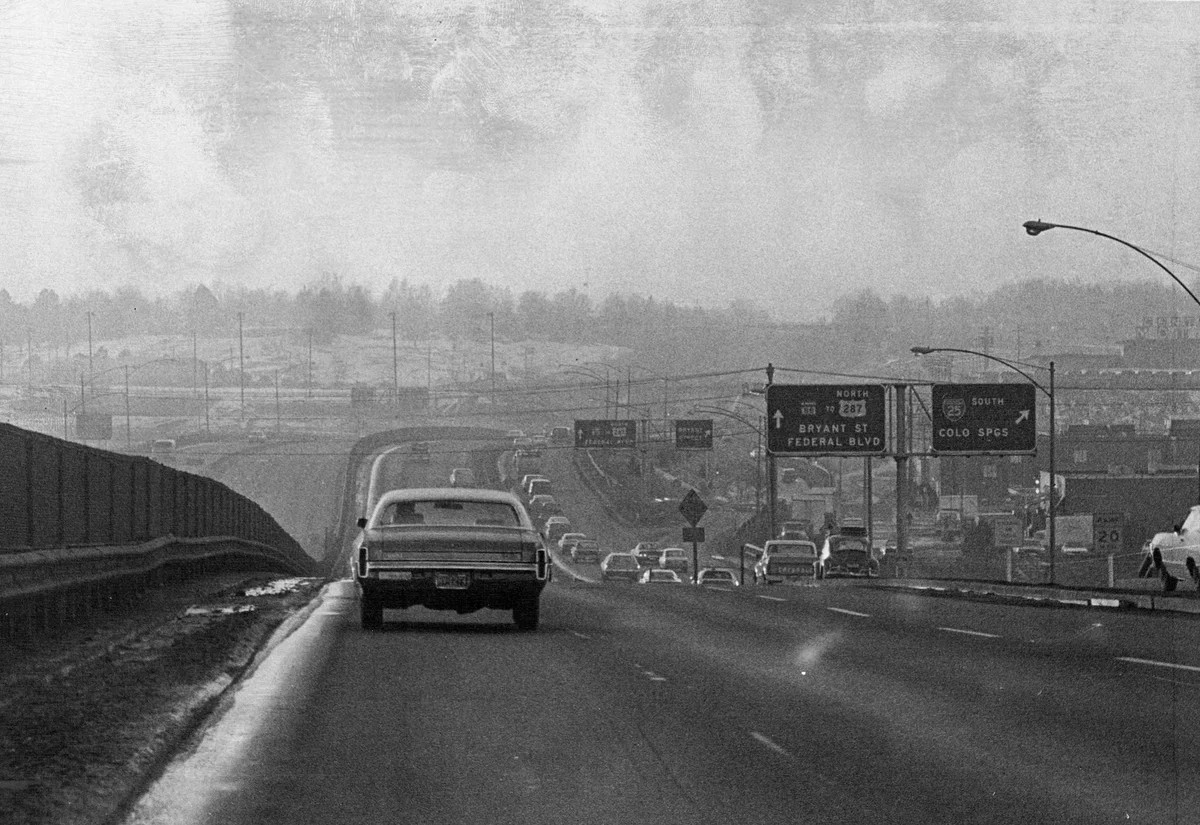
“I don’t think anyone wants to go back to … not being able to see anything,” says Camille Pannu, an environmental law expert at Columbia University, alluding to conditions before the Clean Air Act.
The EPA will no longer quantify the economic benefits of limiting pollutants like PM2.5 (fine particulate matter) and ozone in some cases. Instead, the agency will focus solely on the costs to industry, potentially undermining the rationale for air quality standards.
The Science Behind Air Pollution
PM2.5 particles, smaller than 2.5 microns, can enter the bloodstream, damage lungs, and even affect brain function. Exposure has been linked to diabetes, obesity, dementia, cancer, asthma, and adverse birth outcomes. Ozone, a major component of smog, particularly endangers individuals with respiratory conditions, including children.
The Clean Air Act was designed to address these population-wide health impacts, recognizing that even imperfect cost-benefit analyses are crucial for justifying regulation. Without such assessments, Pannu argues, “everything is costly, and nothing is worth regulating.”
Uncertainty and Oversight
The EPA justifies the change by claiming that previous calculations of health benefits were imprecise. However, experts counter that this uncertainty is inherent in environmental science but does not invalidate the need for evaluation. The Act’s original intent was for the EPA to regulate even in the face of incomplete data.
Decades of research comparing polluted and cleaner areas, combined with economic studies that value human life, have established a strong foundation for these estimates. Independent analyses confirm that the benefits of the Clean Air Act far exceed its costs, with regulations effectively “paying for themselves” and even funding the EPA.
Life-Years Gained and Prevented Deaths
Since 1970, amendments to the Clean Air Act have yielded 336 million life-years in the U.S. By 2020, updates from 1990 were projected to prevent 230,000 early deaths, 75,000 cases of bronchitis, 120,000 emergency room visits, and 17 million lost workdays. Roughly 85% of these benefits stem from reductions in PM2.5 alone.
Past EPA analyses have consistently underestimated the costs of regulation, suggesting that the current shift may be legally challenged. The agency is legally obligated to justify its decisions with transparent data.
Scope of the Changes
The new policy may extend beyond PM2.5 and ozone, potentially impacting greenhouse gas limits and regulations on nitrogen dioxide and sulfur dioxide from power plants. Despite the changes, the EPA insists it remains committed to protecting public health, though it will not be “monetizing” the impacts for now.
While past administrations have occasionally skipped quantifying health benefits, experts emphasize that reducing PM2.5 and ozone is among the most straightforward environmental gains to measure.
“It’s disappointing that the EPA isn’t interested in making the best decision for the public,” says Rachel Rothschild, an environmental law expert at the University of Michigan.
The move to deprioritize health impacts in regulatory decisions raises serious questions about the future of air quality standards and the long-term well-being of Americans.