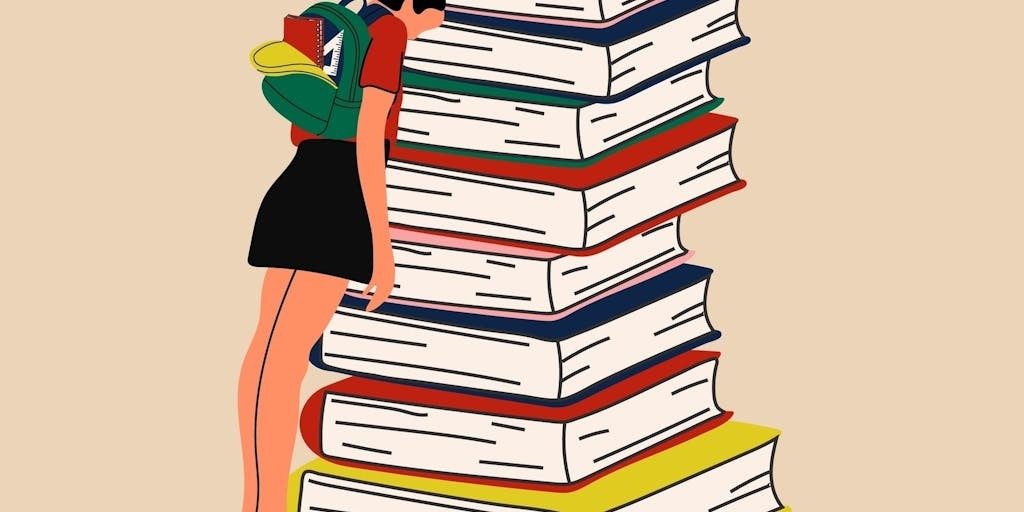
The COVID-19 pandemic disrupted education for all K-12 students, but emerging research indicates that older learners—those in elementary and middle school at the time of closures—experienced the most significant and lasting academic setbacks.
The Uneven Impact of School Disruptions
Initial assumptions often focused on the vulnerability of younger students during the pandemic. However, a new report from The Hamilton Project at the Brookings Institution reveals a stark reality: students who were in fourth grade when schools closed in 2020 (now likely ninth graders) suffered larger performance declines than those who were in kindergarten. This discrepancy isn’t about innate resilience—it’s about expectations and the cumulative nature of learning.
Parents of older students recall heightened pressure to maintain academic progress, while younger children had more leeway for unstructured play. Now, evidence confirms these perceptions: older students entering middle and high school are lagging further behind due to lost foundational skills.
National Trends Confirm the Decline
National assessments, including the NAEP (“nation’s report card”), show historic drops in math and reading scores. These declines weren’t limited to any single demographic; low-performing students experienced the steepest falls, exacerbating existing inequalities. The issue is not simply recovery from a temporary disruption—learning gaps are widening, and even revised assessments can’t mask the scale of the problem.
Why Older Students Were Hit Harder
The Brookings report tracked students from kindergarten through seventh grade during the pandemic, using state proficiency data to measure long-term trends. Researchers found that the losses were particularly acute in math, likely due to its sequential nature—missed concepts create compounding difficulties.
This decline is not just about the pandemic itself. Federal recovery funds have expired, leaving many schools with fewer resources to address the damage. Meanwhile, some states have been accused of manipulating assessment standards to inflate proficiency rates, but even these efforts haven’t masked the true extent of learning loss.
The Path Forward: Prioritizing Older Learners
The current focus on early childhood intervention is essential, but policymakers must not overlook the urgent needs of older students. Those now in middle and high school require targeted support to catch up, especially in math.
The pandemic exposed deep cracks in the education system, and even superficial fixes won’t reverse the damage. Learning loss is so severe that changing assessments—making tests easier—doesn’t yield the same results as it once did. The long-term consequences of these setbacks remain unknown, but ignoring the plight of older students will only compound the problem.