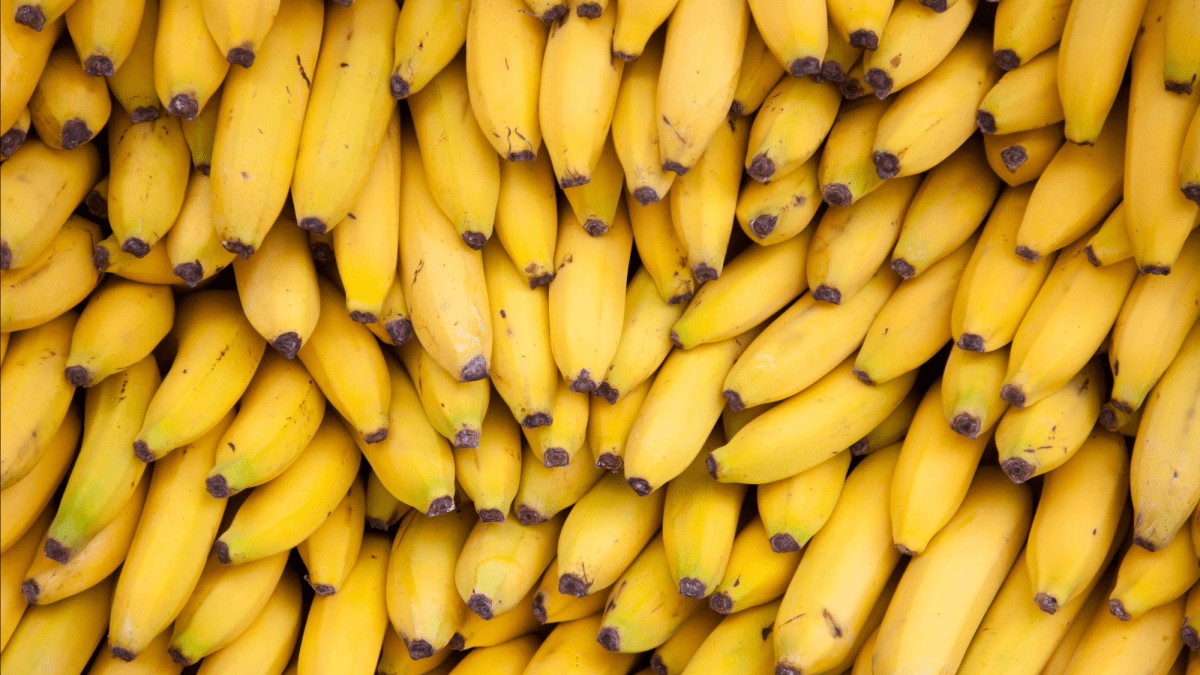
The world’s favorite yellow fruit, the banana, faces a serious threat from a rapidly spreading fungal disease known as Fusarium wilt, or Panama disease. This isn’t a new problem; in the 1950s, the disease wiped out the popular Gros Michel banana variety, forcing growers to switch to the Cavendish – which is now under attack. The future of this $140 billion industry, and the food security of over 400 million people, depends on finding solutions.
The Threat: Fusarium Wilt Explained
Fusarium wilt is caused by a soil-borne fungus that blocks nutrient transport within banana plants, leading to wilting and eventual death. The most aggressive strain, Sub Tropical Race 4 (STR4), affects bananas in subtropical regions, making it a global concern. The pathogen persists in the soil, meaning once infected, fields can remain unusable for years.
New Genomic Discovery Offers Resistance Pathway
Researchers at the University of Queensland in Australia have identified a key genomic region in wild bananas that confers resistance to STR4. The team, after five years of intensive breeding and testing, pinpointed a specific location on chromosome 5 within the Calcutta 4 variety that provides this resistance. By cross-breeding Calcutta 4 with susceptible Cavendish bananas, they were able to trace the protective genes.
“Identifying and deploying natural resistance from wild bananas is a long-term and sustainable solution to this pathogen,” explains Dr. Andrew Chen, a co-author of the study published in Horticulture Research.
From Wild Genes to Commercial Crops
The Calcutta 4 banana itself isn’t commercially viable due to poor fruit quality. However, the discovery allows scientists to develop molecular markers to efficiently screen banana seedlings for resistance before they show symptoms of infection. This will dramatically speed up breeding programs, reducing costs and accelerating the development of disease-resistant, edible varieties.
The next step is to create bananas that are not only resistant to Fusarium wilt but also meet the demands of growers and consumers. The stakes are high: bananas are the fourth most important food crop globally, providing 15–27% of daily calories for hundreds of millions of people, and 80% of bananas are consumed locally.
Industry Collaboration is Key
Protecting the banana supply chain requires a coordinated effort. As Fresh Del Monte Produce CEO Mohammad Abu-Ghazaleh stated, the industry must collectively support growers and stabilize production to prevent the fruit – and the livelihoods it supports – from disappearing. This breakthrough is a critical step towards that goal, but sustained research, investment, and collaboration are essential to ensure a future where bananas remain readily available for generations to come.