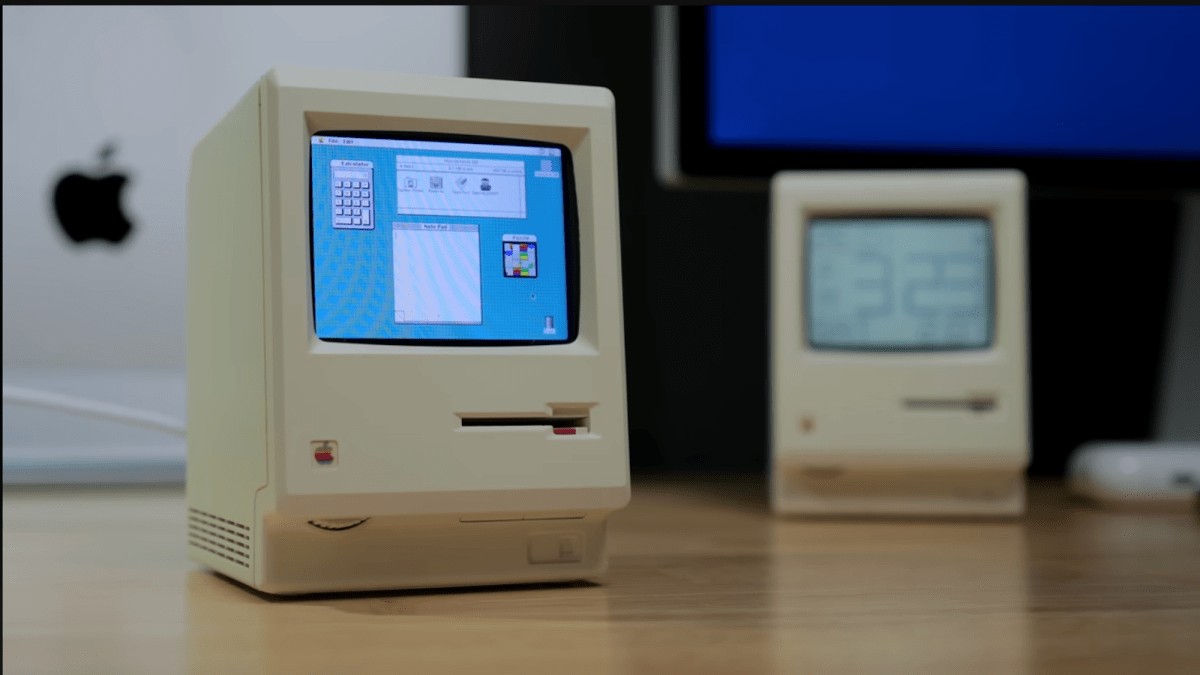
A hobbyist has successfully constructed a fully functional Apple Macintosh computer inside a small digital alarm clock, demonstrating a remarkable feat of miniaturization and retro tech enthusiasm. The project, recently showcased on YouTube channel This Does Not Compute, highlights the stark contrast between early computing and today’s advanced hardware.
The Build: From Toy to Tech Icon
The core idea is simple yet effective: gutting the internals of a novelty digital clock and replacing them with a Raspberry Pi 2 CPU. This tiny single-board computer powers a 2.8-inch LCD screen, which is then configured to emulate the classic Macintosh operating system from the 68000 era. A key detail is disabling the touchscreen functionality of the LCD – a deliberate choice to preserve the original Macintosh experience, as Apple wouldn’t introduce touchscreen technology until the iPhone in 2007.
Why This Matters: Bridging Tech Eras
The project isn’t just about nostalgia; it illustrates how far computing has come. The original Macintosh, with its limited processing power and basic graphics, now fits comfortably within a child’s toy. This miniaturization is a testament to decades of engineering advancements in chip design and efficiency. The build also serves as a playful reminder that tech evolution isn’t just about more power but also about shrinking footprints and optimizing performance.
Limitations and Appeal
The conversion isn’t perfect: the original clock’s brightness and volume controls are disabled, and the display aspect ratio doesn’t quite match the original Macintosh. However, the project remains a fun and tangible way to disconnect from modern technology and appreciate computing’s roots. While it won’t run today’s apps, it delivers an authentic retro experience.
This DIY Macintosh build is a charming example of how nostalgia, engineering ingenuity, and miniaturization can come together to create something uniquely engaging. It serves as a playful tribute to the early days of personal computing while celebrating how far the industry has advanced.