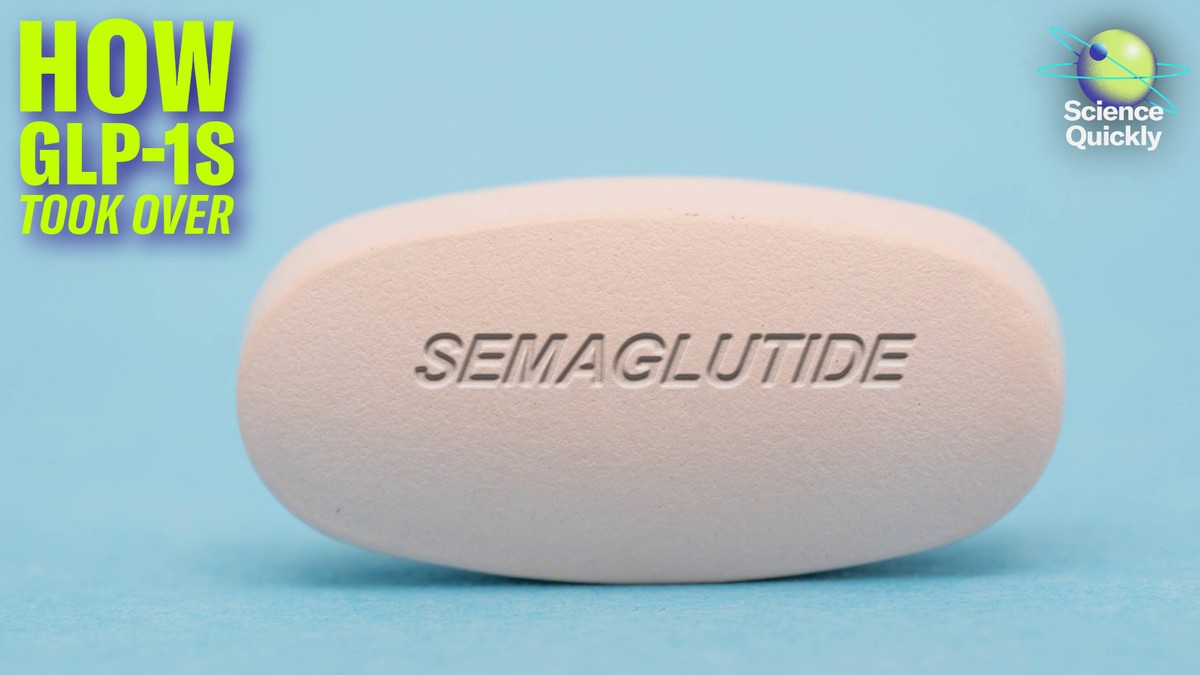
For years, a class of drugs called GLP-1 receptor agonists have moved from niche diabetes treatments to mainstream weight-loss tools. In 2021, the FDA approved semaglutide (Ozempic, Wegovy) for weight loss, and since then, these medications have gained widespread use, even among celebrities like Meghan Trainor and Serena Williams. Now, pharmaceutical companies are racing to develop more potent formulations, including the first oral GLP-1 pill for weight loss. But what exactly do these drugs do, and what are the broader implications of their rising popularity?
How GLP-1s Work: Beyond Just Weight Loss
GLP-1 stands for glucagon-like peptide 1, a hormone naturally produced in the gut after eating. It regulates appetite by increasing insulin secretion, slowing gastric emptying, and creating a feeling of fullness. These drugs mimic this hormone, activating GLP-1 receptors throughout the body, including the brain.
There are two types of eating behavior: homeostatic feeding (eating out of true hunger) and hedonic feeding (eating for pleasure). GLP-1s suppress the latter, preventing overeating even when you’re not truly hungry. The key difference between the drugs is how long they linger in the system; injectables can last a week, while oral versions need higher doses to compensate for faster breakdown in the gut.
The Shift From Diabetes Treatment to Weight Loss
Originally, GLP-1s were approved for type 2 diabetes due to their ability to improve insulin sensitivity. However, doctors and patients noticed a significant side effect: weight loss. Pharmaceutical companies capitalized on this, developing higher-dose formulations like Wegovy specifically for weight loss. The demand has surged, with some estimates suggesting one in eight Americans has tried a GLP-1 drug.
Expanding Applications: Beyond Diabetes and Obesity
Research suggests GLP-1s may have benefits beyond diabetes and weight loss. Studies show potential for treating cardiovascular issues, chronic inflammation, and even certain mental health conditions. There’s emerging evidence that GLP-1s could help with alcoholism by reducing cravings and potentially even aid in fertility by improving metabolic function in individuals with obesity.
However, these applications are still under investigation. The drugs are not a cure-all; some studies on Alzheimer’s have yielded limited results, and side effects remain a significant concern.
The Race for Oral Formulations and Future Developments
Novo Nordisk recently approved the first oral GLP-1 pill for weight loss, but it comes with challenges. Oral administration requires much higher doses due to faster breakdown in the digestive system, increasing the risk of gastrointestinal side effects like nausea, constipation, and heartburn.
Other pharmaceutical companies, like Eli Lilly, are also in the race, developing new oral formulations like orforglipron. The competition is fierce, with both companies pushing for faster, more effective, and potentially cheaper alternatives. The current market is a pharmaceutical arms race, and as demand continues to rise, expect further innovations—and likely more scrutiny over side effects and long-term health impacts.
The GLP-1 revolution is reshaping how we approach weight management and metabolic health. These drugs offer powerful tools, but they are not without risks and limitations. As research expands, the full potential—and the true consequences—of this new era in pharmacology will become clearer.