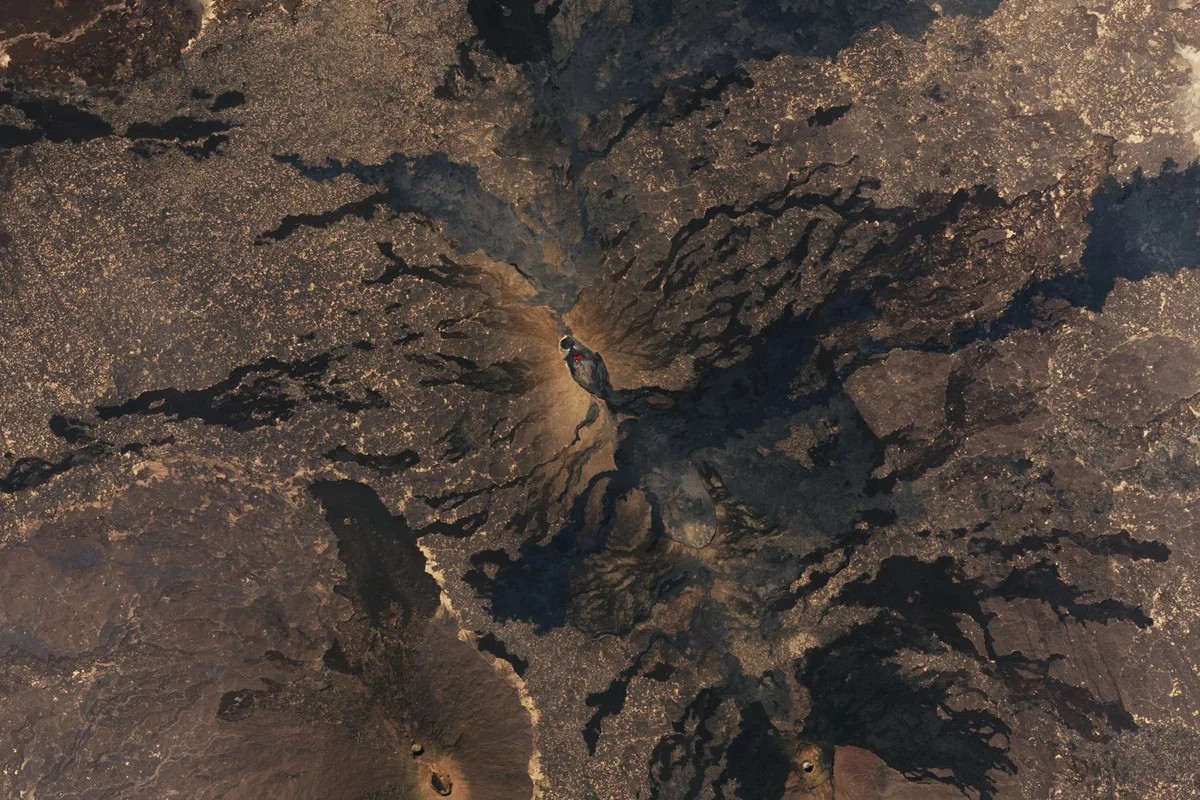
A remote volcano in Ethiopia, known as Hayli Gubbi, erupted dramatically on Sunday, sending an ash plume nine miles high into the atmosphere. This event marks the first confirmed major eruption from this geological feature in over 12,000 years, making it an exceptionally unusual occurrence.
Geological Context and Significance
Hayli Gubbi is a shield volcano—similar to those found in Hawaii—typically characterized by slow-moving lava flows rather than explosive ash columns. The sudden, powerful eruption suggests that conditions deep beneath the surface have changed unexpectedly. This region sits within the East African Rift Zone, a geologically active area where the African and Arabian tectonic plates are slowly drifting apart at a rate of roughly 0.4 to 0.6 inches annually.
This separation creates pathways for molten rock (magma) to rise from the Earth’s mantle, leading to volcanic activity. The ongoing plate movement could eventually result in the formation of a new ocean in the rift valley, as the landmass continues to divide over millennia.
Recent Indicators and Scientific Response
Scientists had some prior indication of potential activity at Hayli Gubbi. Another nearby volcano, Erta Ale, erupted in July, with magma intrusion detected extending over 18 miles underground—directly beneath Hayli Gubbi. Ground deformation and white, puffy clouds observed at the summit further suggested rising magma.
The eruption itself has triggered a rapid response from researchers. Earth scientist Derek Keir, who was in Ethiopia at the time, has already collected ash samples for analysis. These samples will help determine the magma’s composition and confirm whether Hayli Gubbi truly remained dormant for the past 12,000 years.
Why This Matters
The Hayli Gubbi eruption highlights how little is known about volcanic activity in certain regions of the world. Despite its remote location and minimal immediate threat to people, the event underscores the need for continued monitoring and research in tectonically active zones like the East African Rift Valley.
The eruption serves as a reminder that even long-silent volcanoes can awaken with little warning, and understanding these processes is critical for hazard assessment and scientific advancement.
The eruption also prompts questions about whether other undetected eruptions may have occurred in the region during the volcano’s extended period of dormancy. Further research is crucial to fully assess the area’s geological history and future volcanic risks.