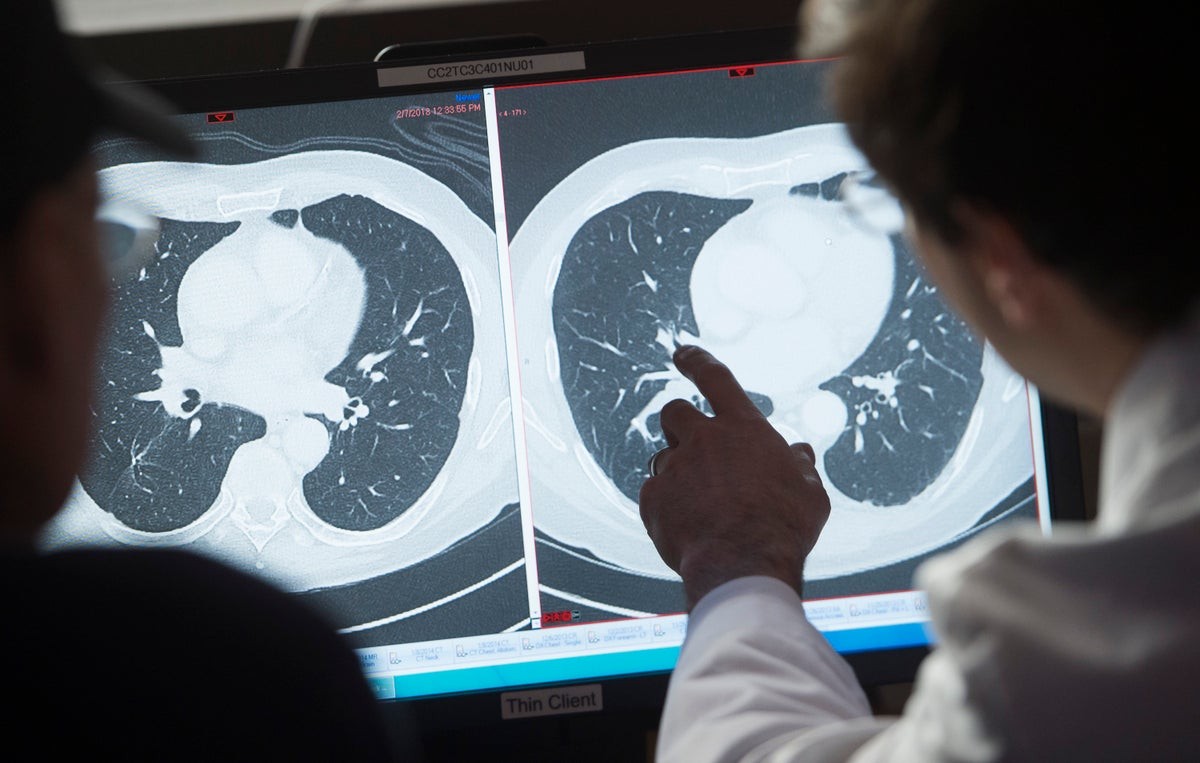
A new report from the American Cancer Society (ACS) reveals that 70% of cancer patients in the U.S. now survive at least five years after diagnosis – an all-time high. This marks a substantial increase from the 50% survival rate recorded in the mid-1970s, and represents a major victory in the fight against the disease.
The Gains: Detection, Treatment, and Prevention
The improved survival rates are largely attributed to three key factors: better early detection methods, more effective treatments, and declining rates of smoking. Advances in understanding the cancer genome have led to the development of targeted therapies, allowing clinicians to treat certain cancers more precisely.
Specifically, the report highlights dramatic improvements in survival for previously lethal cancers. Five-year survival rates for myeloma have nearly doubled (from 32% to 62%) since the 1990s, while liver cancer survival has more than tripled (from 7% to 22%). These gains demonstrate the tangible impact of decades of cancer research, turning previously fatal diagnoses into manageable chronic conditions.
The Ongoing Challenge: Rising Incidence and Funding Cuts
Despite the positive trend, the ACS report projects that over two million Americans will receive a new cancer diagnosis in 2026, with more than 625,000 dying from the disease. Lung cancer remains the deadliest form, accounting for more deaths than any other cancer.
Crucially, the report warns that progress is threatened by proposed cuts to federal funding for cancer research. The National Cancer Institute (NCI) saw a 31% reduction in grant funding in the first three months of 2025 alone. If sustained, these cuts will inevitably reduce access to life-saving drugs and halt further advancements at a time when cancer incidence is rising for many common types.
A Race Against Time
The ACS report underscores that cancer research is not merely an academic pursuit; it’s a race against time. Decades of scientific investment have translated into longer lives for many, but continued progress depends on sustained funding. Without consistent support, the momentum gained in recent years could stall, jeopardizing future breakthroughs and leaving millions vulnerable.
The current survival rates are a testament to the power of science, but the looming threat of funding cuts serves as a stark reminder that the fight against cancer is far from over.