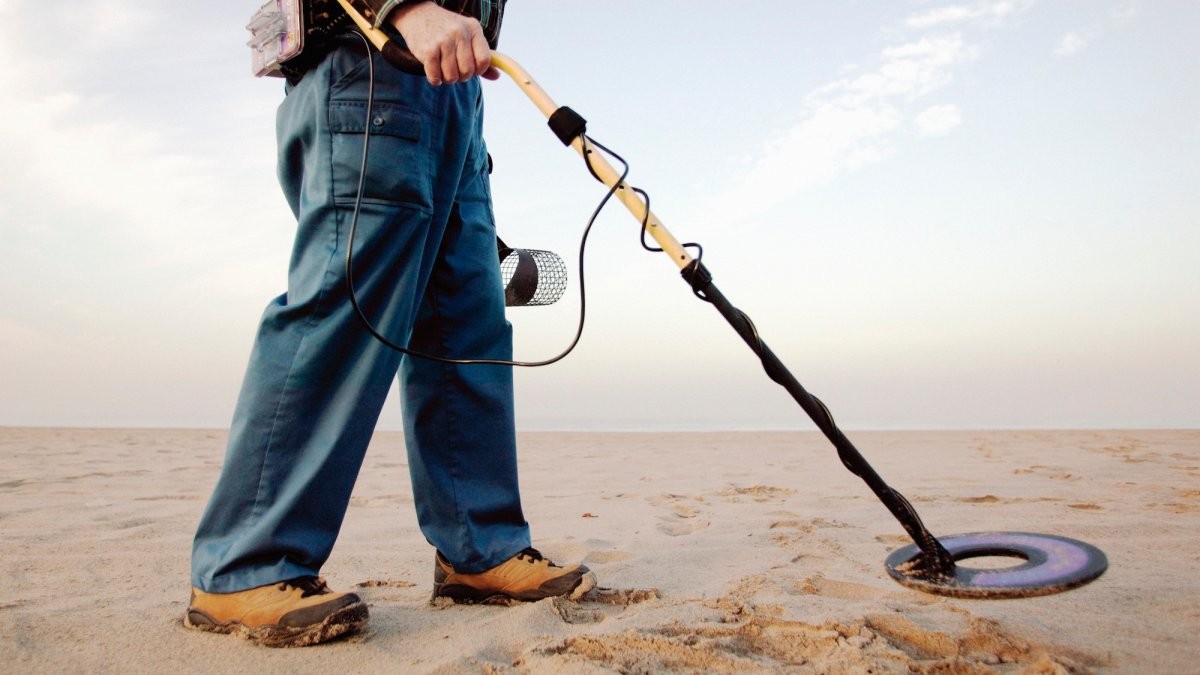
Whether it is referred to as “dirt fishing,” “beach scooping,” or “relic hunting,” metal detecting has become a popular way to combine outdoor exercise with the thrill of discovery. The appeal lies in the unpredictable nature of the hobby: one moment you are taking a casual stroll through a park or along a shoreline, and the next, you are holding a piece of history.
To navigate the transition from curious onlooker to active hobbyist, we spoke with Bill Harrington, creator of the Diggin’ SoCal YouTube and Instagram channels, to learn how to start this pursuit effectively.
Managing Expectations: Gold vs. History
The most common pitfall for newcomers is the “gold fever” misconception. Many beginners approach the hobby expecting to find high-value bullion or buried treasure immediately.
Harrington warns that while luck is a factor, metal detecting is fundamentally a game of patience and persistence. The true reward often lies not in monetary value, but in the historical curiosity of the finds. Harrington’s own discoveries range from:
* World War II-era military buttons
* 1960s toy train cars
* A 1917 Standing Liberty quarter
* Bizarre everyday items, such as a tortilla maker pulled from a Santa Barbara beach.
“What makes this an exciting hobby is that you really never know what the day will bring.”
Three Pillars of a Successful Start
For those looking to dive in, Harrington suggests focusing on three specific areas: research, networking, and proper gear selection.
1. Conduct Thorough Research
Metal detecting is not a “one size fits all” activity. The equipment you need depends heavily on your environment—searching sandy beaches requires different technology than scanning dry, inland parks.
- Leverage Digital Content: Use YouTube to observe different detector models in action and understand their specific functions.
- Consult Professionals: Rather than buying blindly online, Harrington recommends visiting local dealers. Engaging with experts at specialized shops can provide tailored advice that an algorithm cannot.
2. Build a Community
Metal detecting can be a solitary activity, but it is much more rewarding when done within a community. Joining a group provides a shortcut to learning the “unwritten rules” of the hobby.
* Local Clubs: Most regions have dedicated metal detecting clubs.
* Professional Associations: Organizations like the Gold Prospectors Association offer structured environments for enthusiasts.
* Social Media: Digital groups are excellent resources for asking technical questions and troubleshooting gear.
3. Invest Wisely in Gear
A common mistake is overspending on high-end professional models before understanding the basics, or conversely, buying “junk” detectors from unknown brands.
The “Avoid” List: Avoid ultra-cheap detectors (under $100) from unverified online brands. These often lack the sensitivity required to distinguish between trash and treasure, leading to frustration.
The Essential Kit: A functional starter setup can be assembled for roughly $600. A recommended breakdown includes:
* A Reliable Detector: Entry-level models from reputable brands like Minelab typically range from $300 to $500.
* A Pinpointer: This handheld device is crucial for precisely locating an object once you have dug a hole.
* Digging Tools: A sturdy shovel is mandatory.
* A Sand Scoop: If you are focusing on beaches, a sand scoop is essential for sifting through sediment to find small items.
Conclusion
Metal detecting is a hobby of discovery that rewards curiosity and persistence over pure luck. By focusing on community knowledge and investing in mid-range, reliable equipment, beginners can move past the “treasure hunter” myth and begin uncovering the fascinating stories hidden just beneath the surface.