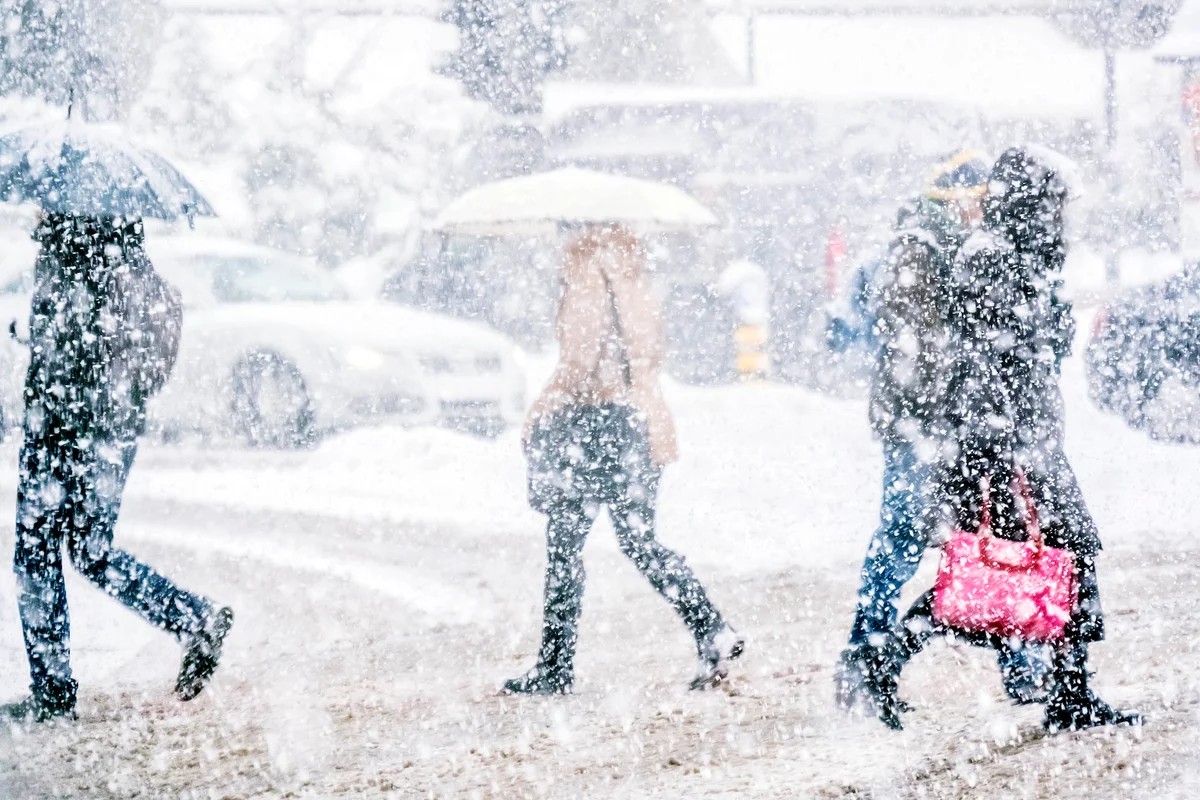
A powerful winter storm is forecast to unleash blizzard conditions along the East Coast, stretching from Maryland to southeastern New England, starting Sunday night and lasting into Monday morning. While many associate blizzards with heavy snowfall, the official definition from the National Weather Service focuses on sustained high winds and reduced visibility —factors that can make travel extremely dangerous.
Defining a Blizzard: It’s More Than Just Snow
The key to a blizzard isn’t how much snow falls, but rather the intensity of the wind and blowing snow. The National Weather Service classifies a storm as a blizzard when winds reach or exceed 35 miles per hour, accompanied by “considerable falling” or blowing snow for at least three consecutive hours. This weekend’s storm is expected to meet those criteria, with areas potentially seeing one to two feet of snowfall and wind gusts from 40 to 70 mph along the coast from New Jersey through New England.
The Danger: Visibility and Power Outages
The combination of strong winds and heavy snowfall can dramatically reduce visibility, dropping it to less than 0.25 mile—making driving or even walking outdoors life-threatening. New York City has already issued a travel ban, effective 9 P.M. Sunday, to prevent accidents and ensure public safety.
Beyond travel hazards, the storm poses a risk of widespread power outages. The heavy, wet snow can weigh down power lines and tree branches, leading to breaks and disruptions in electricity service.
Blizzards are dangerous because they combine low visibility with high winds—conditions that can quickly turn routine travel into a survival situation. The East Coast storm is a stark reminder of winter’s power, and residents in affected areas should take precautions to stay safe.
The severity of this storm underscores the importance of heeding weather warnings and preparing for potential disruptions. Whether it’s staying off the roads or securing essential supplies, a proactive approach is crucial when facing blizzard conditions.