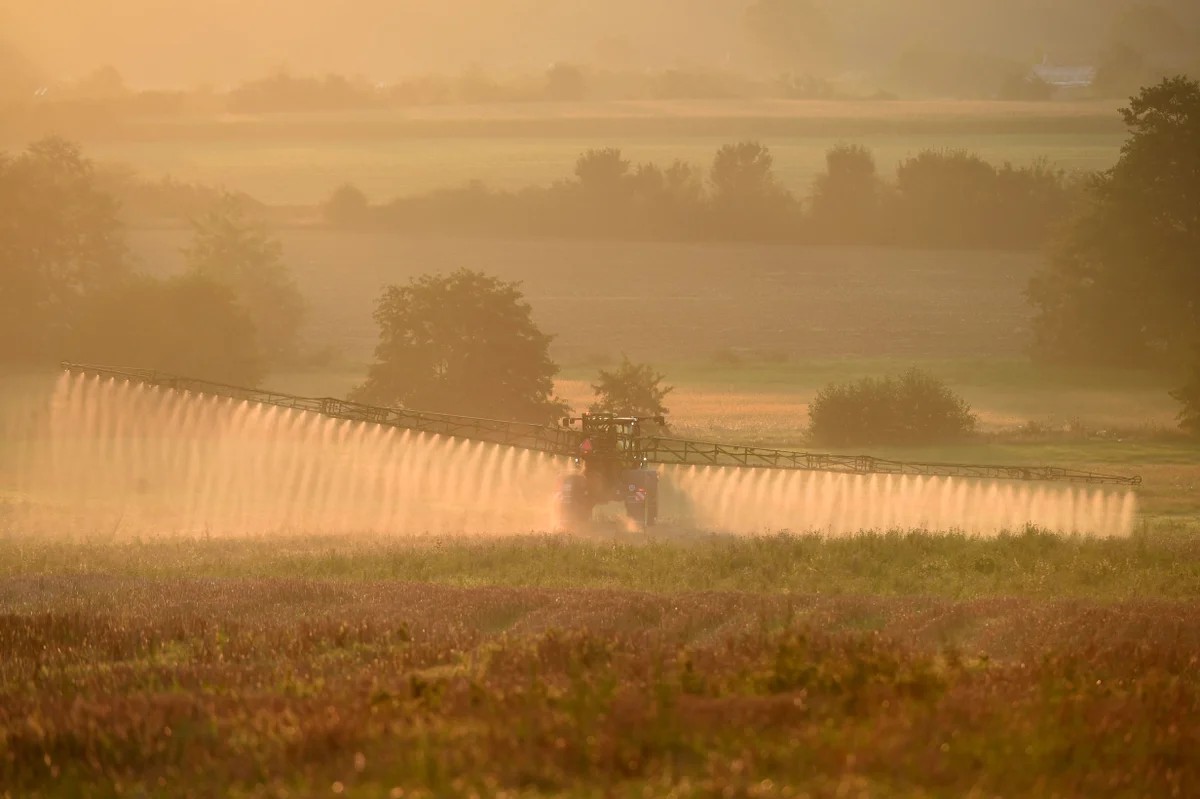
The world’s most widely used herbicide, glyphosate – known to consumers as Roundup – is at the center of escalating debate. A recent executive order by President Trump to increase glyphosate production has fractured the “Make America Healthy Again” (MAHA) movement, pitting figures like Robert F. Kennedy, Jr., against emerging voices concerned about its toxicity. This dispute isn’t new, but the political dimension underscores why this matters: glyphosate is not just a chemical; it’s a proxy in larger battles over food safety, corporate influence, and public health.
The Science Behind the Debate
Glyphosate works by inhibiting amino acid production in plants, effectively killing weeds while leaving genetically engineered crops unharmed. Its pervasive use means human exposure is widespread – through food (particularly grains and legumes), inhalation, and even skin contact. Bayer, which acquired Monsanto (the original manufacturer), faces over 200,000 claims alleging glyphosate-related harm, including a landmark case pending review by the Supreme Court. The company recently settled a class-action lawsuit for $7.25 billion, acknowledging no wrongdoing but settling claims that glyphosate exposure may contribute to non-Hodgkin lymphoma.
Conflicting Health Assessments
The core of the controversy lies in conflicting scientific evaluations. The World Health Organization’s International Agency for Research on Cancer (IARC) classified glyphosate as “probably carcinogenic” in 2015. However, the U.S. Environmental Protection Agency (EPA) and the Food and Agriculture Organization of the United Nations maintain it is likely not carcinogenic, based on their own reviews. This division isn’t just about data; it’s about how the data is interpreted.
Recent research complicates matters further. One 2018 study found no link between glyphosate exposure and non-Hodgkin lymphoma in farmworkers. Yet, a 2019 meta-analysis concluded there was a “compelling link” between exposure and the cancer, focusing on groups with the highest levels of exposure. Even within the scientific community, the weighting of different studies varies, leading to divergent conclusions.
Beyond Cancer: Other Potential Risks
The debate extends beyond cancer. Glyphosate’s effects on other species are also under scrutiny, with studies suggesting harm to honeybees, plants, birds, and mammals. The EPA itself acknowledges potential damaging effects. Further complicating matters, some research has been retracted due to ethical concerns, like a 2000 Monsanto-backed study that concluded glyphosate wasn’t carcinogenic.
The Challenges of Long-Term Study
Establishing definitive links between glyphosate exposure and health effects is difficult. The herbicide has a short half-life in the body, making long-term assessments challenging. Current studies often rely on snapshots in time (such as urine samples) instead of prolonged exposure tracking. Comprehensive, long-term studies are expensive and logistically complex.
Future Research Needed
Experts emphasize that more research is crucial, particularly on vulnerable populations like pregnant women and fetuses, and on glyphosate’s potential impact on fertility. Given its widespread use, even a small effect could have significant public health consequences. As one researcher put it: “We’re just at the beginning of studying glyphosate, but we absolutely must study it.”
The glyphosate debate is far from settled. Conflicting science, political pressures, and the inherent difficulties of long-term exposure studies mean that uncertainty will remain for the foreseeable future.