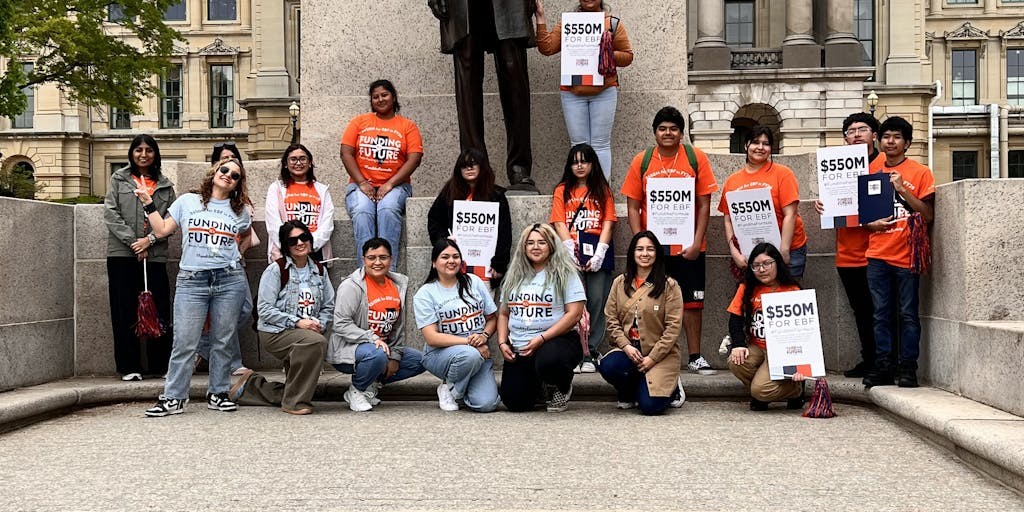
For many educators, advocacy has shifted from an option to an unavoidable part of the job. The crisis in public education isn’t a distant threat — it’s an accelerating reality, forcing teachers to step beyond the classroom and into the arena of policy and direct action.
The shift became undeniable when educators realized students were already burdened by systemic failures before even entering the classroom. This isn’t about teachers seeking activism; it’s about activism finding them, driven by the sheer weight of challenges facing today’s students.
The reality is that U.S. public education is being deliberately undermined, with critical funding programs like Title I and Title III being diverted and gutted. The infrastructure meant to protect students is being dismantled by political agendas, not educational needs. This isn’t a slow decline; it’s an active reshaping of the system, leaving teachers no choice but to intervene.
The Urgency of the Moment
The current situation demands immediate action because the foundations of public education are eroding in real time. The U.S. Department of Education is being systematically weakened, with funds redirected away from vital programs that support low-income and multilingual learners. This isn’t a trend; it’s a calculated unraveling of safety nets for students and educators alike.
Teachers are now the last line of defense, not because they chose this role, but because no one else is stepping up. This is an “all-hands-on-deck” moment, whether we like it or not. The key to survival is not just resisting cuts but proactively reshaping the landscape.
From Gathering to Good Trouble
The first step towards effective action is educators finding each other. Fellowships, affinity groups, and teacher-led networks are becoming essential as federal support wanes. These spaces aren’t just for meetings; they’re emergency generators, providing a lifeline when official systems fail.
Inside these networks, teachers strategize, share resources, and reclaim their roles as frontline witnesses. This collective approach transforms activism from a lonely battle into a shared effort. As one educator put it: “Liberation is not something we wait for — it is something we practice.”
The work doesn’t stop at meetings. Teachers must push into conferences, policy spaces, and media platforms, not to ask for permission, but to influence decisions. Teachers are the table, and their lived experience provides crucial data that policymakers often ignore.
Activism Without Access
Many teachers lack the backing of foundations or PR teams. Yet, they leverage creativity, resourcefulness, and the moral weight of the “teacher” title to gain access to spaces that might otherwise exclude them.
They mobilize through grassroots partnerships, digital tools, and small grants, turning limited budgets into powerful movements. The key is to create conditions rather than waiting for them — to take action now rather than later.
Ultimately, the fight for public education is no longer separate from teaching. It’s an integrated part of the job, a necessary evolution for educators committed to their students’ futures. The crisis demands not just resistance, but a relentless push toward systemic change.
In a time when public education is under siege, teacher voice isn’t a luxury — it’s leverage. The future of our schools depends on educators taking the lead, not as saviors, but as a collective force reshaping the landscape.