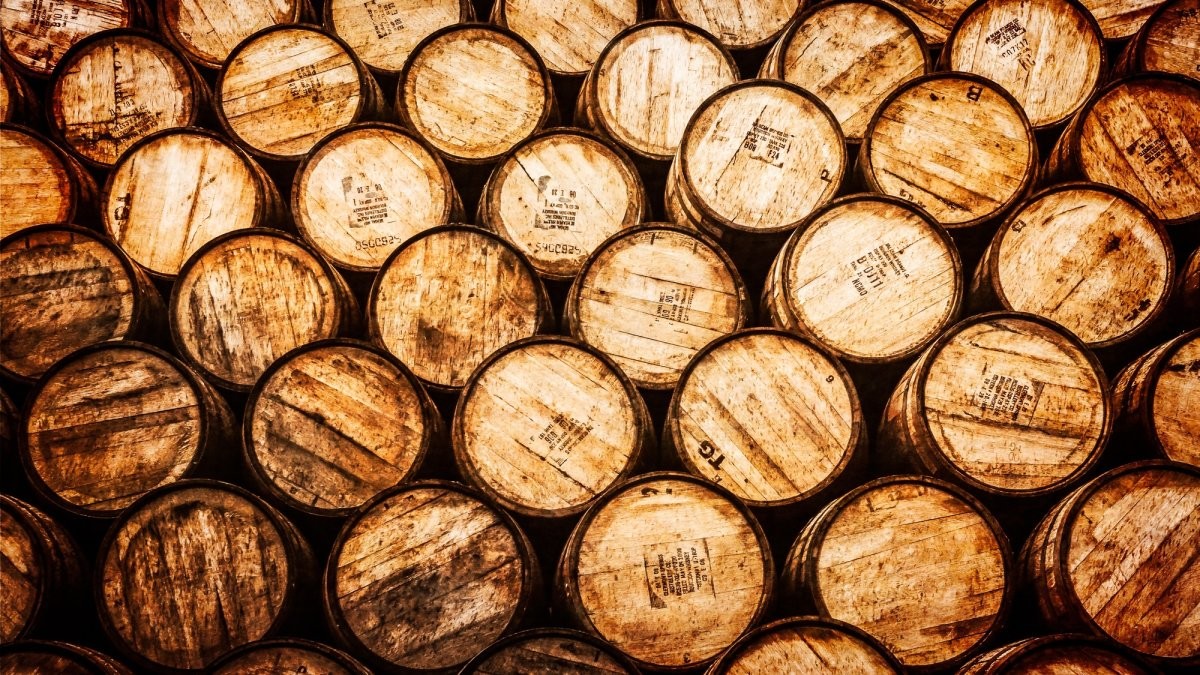
Kentucky bourbon production generates massive amounts of waste – a thick, mushy byproduct called stillage. But instead of disposal, researchers at the University of Kentucky have discovered a way to turn this waste into high-performing supercapacitors, potentially rivaling existing commercial options. This isn’t just about reducing waste; it’s about turning an environmental problem into a sustainable energy solution.
The Stillage Problem: A Waste Stream Goldmine
For every gallon of bourbon produced, 6 to 10 gallons of stillage are created as waste. This watery grain sludge is difficult and expensive to handle, making traditional disposal or repurposing (like livestock feed) costly. The sheer volume of stillage in Kentucky – which produces 95% of the world’s bourbon – makes finding a viable solution crucial.
Turning Trash into Treasure: The Science Behind It
The University of Kentucky team, led by Josiel Barrios Cossio and Marcelo Guzman, subjected the stillage to intense heat and pressure within a specialized reactor. This process yielded a fine black carbon powder, which was further treated to create two key materials:
- Hard Carbon: Created by heating the powder to 392°F, this material excels at absorbing lithium ions, enhancing energy storage.
- Activated Carbon: Produced by heating the powder with potassium hydroxide to 1,472°F, this material boasts a highly porous structure ideal for storing large electrical charges.
Performance: Waste-Derived Supercapacitors Hold Their Own
Laboratory tests revealed that supercapacitors built with these stillage-derived electrodes performed comparably to commercially available alternatives, storing up to 48 watt-hours per kilogram. Even more impressively, hybrid supercapacitors combining both hard and activated carbon electrodes outperformed existing options by around 25%. This demonstrates the potential for waste materials to not just replace current components, but to improve upon them.
What This Means: A Sustainable Future for Energy Storage
The team acknowledges that further optimization is needed before commercial viability. However, the discovery marks a significant step towards a circular economy where waste streams become valuable resources. By converting Kentucky’s bourbon waste into high-performing energy storage components, the researchers have opened a new avenue for sustainable manufacturing.
“It was a huge discovery for me that you can make hybrid devices from this waste,” says Barrios Cossio. “Hybrid devices are not common. Not common and not easy to make.”
This breakthrough highlights the untapped potential of agricultural byproducts and offers a compelling example of how industrial waste can be transformed into a valuable asset.