For decades, measles was considered a relic of the past in the United States, having been declared eliminated in 2000. However, recent years have seen a troubling reversal. From Texas and Arizona to South Carolina, Utah, and Florida, outbreaks are becoming increasingly frequent, signaling a growing public health crisis.
This resurgence is not a random biological event; it is the direct result of declining vaccination rates and the erosion of herd immunity.
The Mechanics of an Outbreak
To understand why measles is spreading, one must understand its infectious nature. Measles is exceptionally contagious. To prevent it from spreading through a community, experts say a 95% vaccination rate is required to maintain “herd immunity.” This threshold protects those who cannot be vaccinated, such as infants under 12 months old and immunocompromised individuals.
When vaccination rates dip—even slightly—the “fence” that contains the virus breaks. In some areas, such as certain schools in South Carolina, vaccination rates have plummeted as low as 21%, creating perfect environments for the virus to explode.
Why are Vaccination Rates Falling?
The decline in immunization is not driven by a single factor, but rather a complex intersection of cultural, political, and digital shifts.
1. The “Digital Ease” of Opting Out
In the past, obtaining a religious exemption for school vaccination requirements often required visiting a health department and speaking with officials. Today, many states have moved these forms online. This ease of access, combined with the influence of “wellness influencers” on social media, has made opting out a frictionless process.
2. Cultural and Historical Distrust
Vaccine hesitancy often manifests in specific “pockets” of the population due to historical contexts:
* Historical Trauma: In some communities, such as those with roots in the former Soviet Union, mandatory vaccination was viewed as a tool of state repression, leading to a deep-seated distrust of medical mandates.
* Targeted Misinformation: Research has shown that certain immigrant communities have been deliberately targeted by misinformation campaigns on social media, fueling unnecessary fear.
3. The Post-Pandemic Fallout
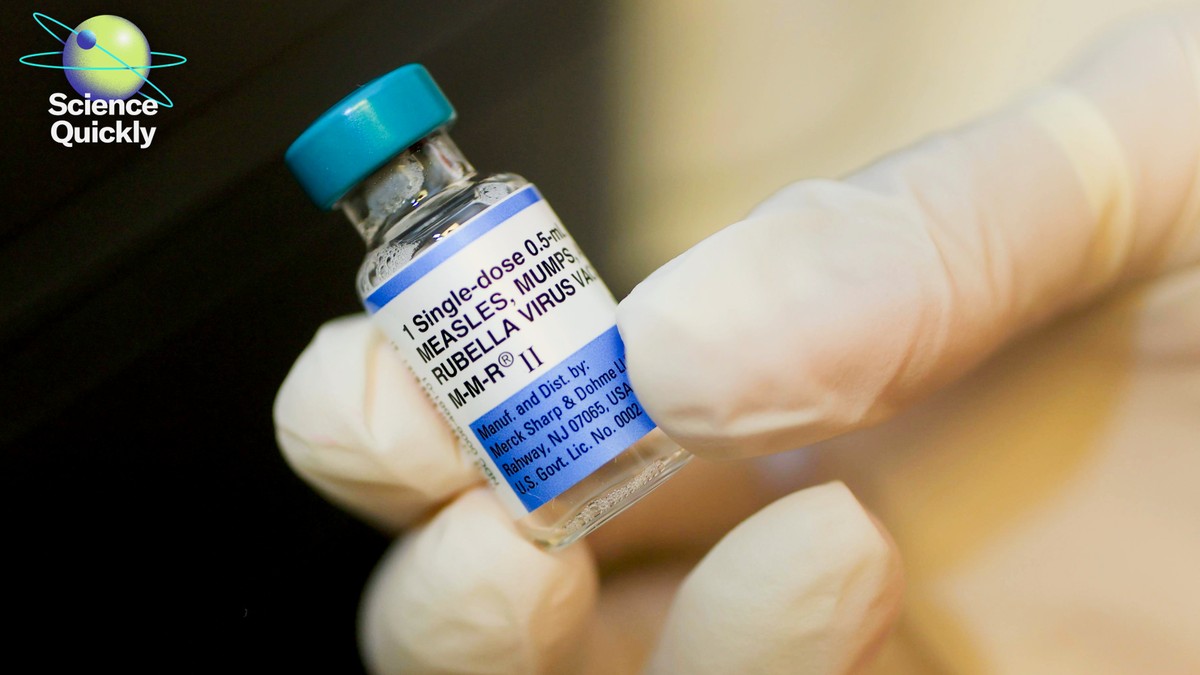
Public health experts note that the COVID-19 pandemic acted as “gasoline on the fire.” The politicization of COVID-19 vaccines, coupled with the general societal stress of lockdowns and mandates, has left a lingering residue of mistrust that is now affecting confidence in traditional vaccines like the MMR (Measles, Mumps, and Rubella) shot.
Beyond the Rash: The Real Danger of Measles
A common misconception is that measles is a mild, “itchy” childhood illness. Medical data suggests otherwise.
“People can get really bad fevers, dehydration, and require hospitalization for oxygen and IV fluids.”
The risks extend far beyond the initial infection:
* Mortality: Recent outbreaks have resulted in deaths, including children.
* Neurological Complications: A rare but devastating condition called subacute sclerosing panencephalitis (SSPE) can develop 2 to 10 years after a person recovers from measles. This progressive brain disorder is caused by the virus mutating and hiding in the brain, eventually destroying neurons.
Rebuilding Public Trust
Addressing this crisis requires more than just medical intervention; it requires intentional communication.
Epidemiologists and physicians suggest that because many people alive today have never actually seen a case of measles, they have lost a sense of its severity. Health officials are now focusing on:
* Targeted Contact Tracing: Identifying vulnerable “hot spots” to prevent wider spread.
* Community Listening Sessions: Engaging with hesitant parents to answer questions in a non-judgmental forum.
* Correcting the Narrative: Providing clear, factual information about the actual severity of the disease to counter social media misinformation.
Conclusion: The return of measles is a symptom of declining community immunity and rising institutional distrust. Reversing this trend will require both increasing vaccination rates and rebuilding the bridge of communication between public health experts and the communities they serve.