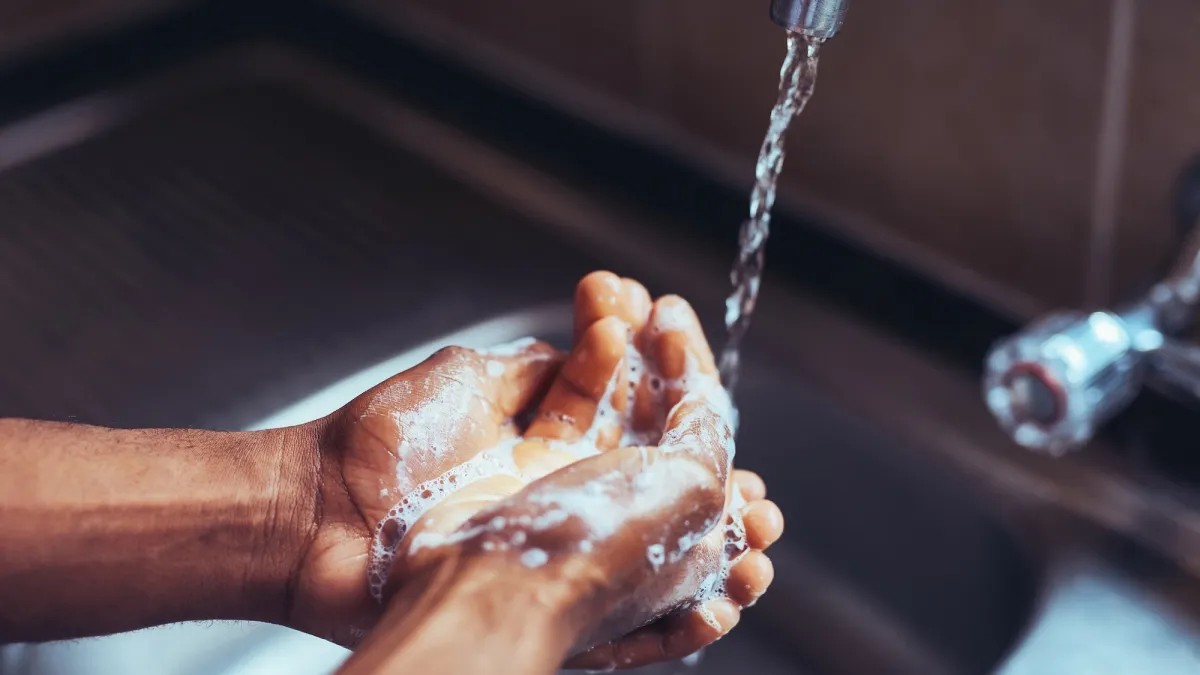
The annual onslaught of cold and flu season brings with it a surge in handwashing, sanitizing, and vaccinations. But amidst this flurry of preventative measures, one common practice stands out as not just ineffective, but potentially harmful: using antibacterial hand soap. Despite marketing claims, antibacterial soaps offer no superior protection against illness and carry significant risks for both human health and the environment.
How Soap Works: The Science Behind Clean Hands
The core principle of handwashing isn’t about killing germs, but removing them. Regular soap, whether liquid, gel, or bar, combines fats, alkaline substances (like lye), and water to lift microbes from the skin, allowing them to be washed away. Antibacterial soaps add biocides – benzalkonium chloride, benzethonium chloride, or chloroxylenol – with the intention of killing microbes. However, these chemicals don’t discriminate; they eliminate both beneficial and harmful bacteria.
As Rebecca Fuoco, director of science communications at the Green Science Policy Institute, explains, “You don’t need to kill the bacteria, you just need to remove the bacteria.” The indiscriminate killing of bacteria can disrupt the skin’s natural microbiome, weakening its protective functions and leaving you more vulnerable to infection.
The Hidden Dangers of Antibacterial Chemicals
The problem extends beyond individual health. Overuse of antibacterial soaps contributes to larger environmental and public health crises:
- Disrupted Microbiomes: Antibacterial agents kill helpful skin bacteria that maintain a healthy pH and fight off pathogens.
- Antimicrobial Resistance: The widespread use of biocides accelerates the development of antibiotic-resistant superbugs, rendering critical medications ineffective.
- Wastewater Contamination: QACs (quaternary ammonium compounds) found in antibacterial soaps don’t fully break down in wastewater treatment plants, contaminating rivers, groundwater, and even drinking water. Studies have detected QACs in New York state drinking water.
- Bioaccumulation: QAC levels in human blood have increased by 77% during the COVID-19 pandemic, indicating significant bioaccumulation through skin contact, inhalation, and ingestion.
- Environmental Damage: QACs can disrupt aquatic ecosystems and accumulate in soil, posing long-term risks to the environment.
From Wastewater Plants to Human Health: A Systemic Problem
The consequences of antibacterial overuse are cascading. In San Luis Obispo, California, a wastewater treatment plant nearly shut down in 2020 due to the overload of QACs from college students using antibacterial products. This highlights how consumer habits can disrupt critical infrastructure.
Studies also show correlations between antibacterial product exposure and health issues such as asthma, COPD, skin lesions, reduced fertility, and even cancer in animal models. The American Academy of Pediatrics discourages their use around children due to these risks.
The Bottom Line: Plain Soap Works Just Fine
Independent studies confirm what the FDA acknowledges: antibacterial hand soap is no more effective at preventing illness than plain soap and water. The key is proper handwashing technique – scrubbing thoroughly for at least 20 seconds – not the addition of unnecessary chemicals.
To protect yourself and the environment, avoid products labeled “antibacterial” or containing ingredients like benzalkonium chloride, benzethonium chloride, or chloroxylenol. Stick to plain soap and water for cleaning hands and surfaces. When disinfection is necessary (e.g., after exposure to bodily fluids), consider alternatives like diluted bleach, hydrogen peroxide, or citric-acid-based disinfectants with caution.
By ditching antibacterial products, you’re not just making a healthier choice for yourself; you’re contributing to a more sustainable and resilient future.